
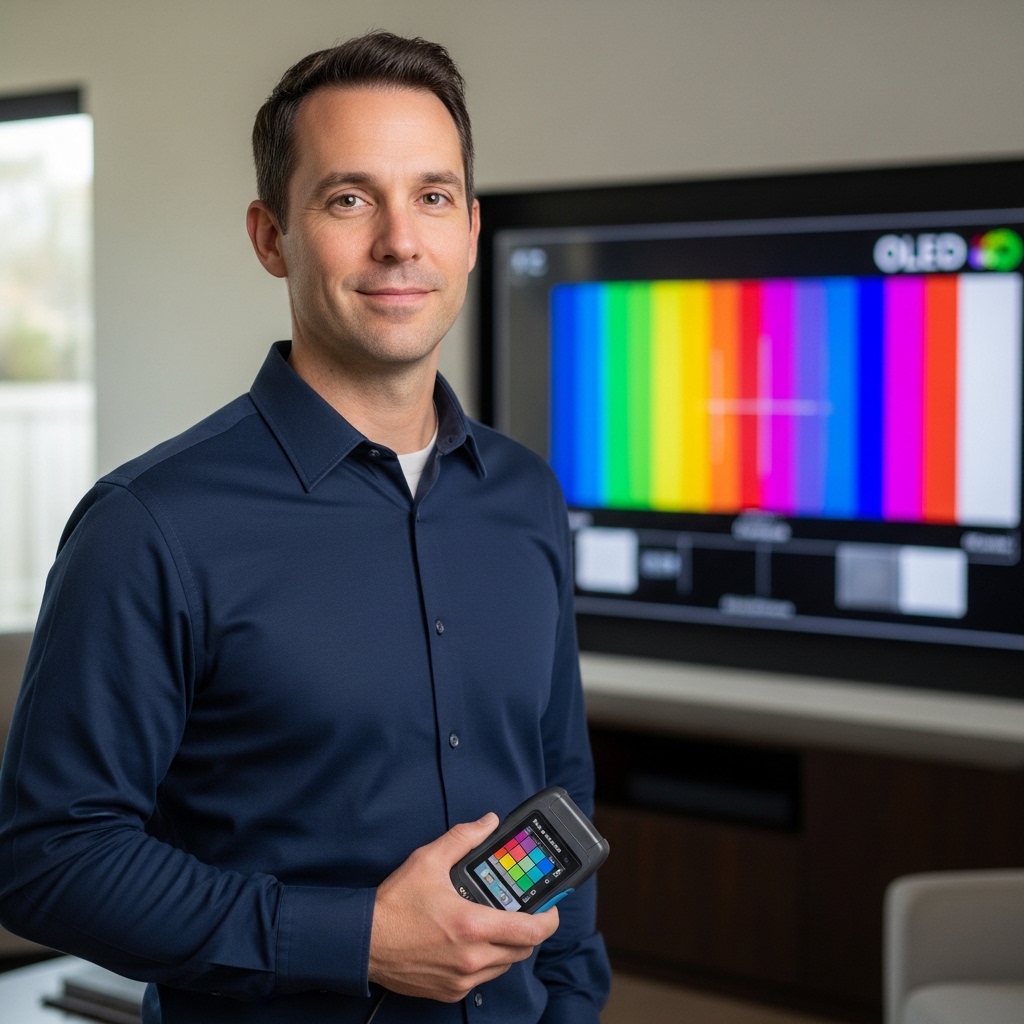

Consumers stepping into an electronics showroom or browsing display catalogs frequently encounter confusing branding that mixes technical specifications with retail marketing terms. Sorting through these labels becomes challenging when television manufacturers label one screen as 4K, another as Ultra HD, and a third as 4K UHD without clearly explaining how those formats differ. Many home entertainment shoppers wonder what is the difference between 4k and uhd tv displays when evaluating sharpness, panel dimensions, and overall image fidelity. Selecting an upgrade from an older high-definition set often leads buyers to compare compact displays like modern affordable 40-inch TV options before deciding whether resolution alone guarantees a superior viewing experience.
Understanding these display classifications requires looking beyond retail advertising to examine real physical panel dimensions, horizontal pixel structures, and broadcast standards. Modern consumer screens rely on 3840 x 2160 pixel resolution arrays designed specifically for sixteen-to-nine widescreen content rather than commercial cinema projectors. Distinguishing genuine panel resolution from related video factors like High Dynamic Range performance, sustained peak brightness, and effective refresh rates prevents expensive buying mistakes. Clarifying these technical boundaries helps viewers select the right screen hardware for movies, streaming, and gaming without falling for misleading promotional jargon.

Pros
- Sharp 4K picture clarity with balanced, true-to-life color reproduction
- Smooth motion handling makes it well suited for sports and casual video games
- Lightweight 21-pound frame enables simple one-person mounting on standard VESA brackets
- Clean cable routing channels integrated directly into the rear feet
Cons
- Does not include built-in Bluetooth for wireless headphones or soundbars
- Viewing angles narrow slightly when watching from far off to the sides
- Peak HDR brightness is modest for rooms with multiple uncovered windows
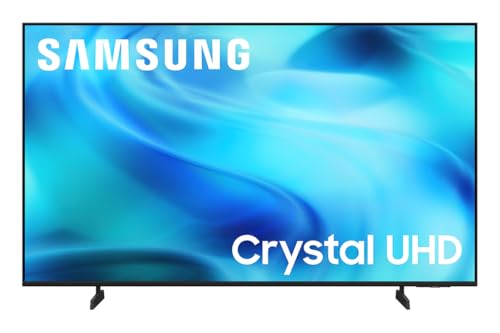
The Samsung NU7100 43-inch television is an entry-tier 4K UHD LED display designed to bring ultra-high-definition clarity into smaller living spaces, master bedrooms, and apartment setups. Built around a native 3840 x 2160 panel with a slim profile, this television gives cord-cutters and casual viewers an accessible way to enjoy modern 4K content without dominating the entire room. Its clean charcoal black bezel and minimalist two-foot stand blend seamlessly into contemporary home decor.
This screen size makes the unit an exceptional option for apartment renters, college dorms, guest suites, home offices, and master bedrooms. Whether you want to stream morning workout videos, catch up on evening local news, or power up a game console for a weekend marathon, the 43-inch footprint fits neatly onto dressers or compact media consoles. The screen also sits at an ideal diagonal for closer viewing distances typical of smaller rooms.
Regarding visual performance, Samsung combines native 4K resolution with PurColor tuning and HDR support to deliver balanced color accuracy and pleasing contrast during dark-room movie viewing. The sustained HDR brightness reaches around 450 nits, which helps bring extra pop to daylight outdoor scenes in modern streaming series. Sports enthusiasts and gamers will appreciate the Motion Rate 120 technology, which assists in keeping fast sports action and high-speed driving games clear with minimal trailing blur.
Physical build quality remains solid and functional. Weighing just over 21 pounds without the stand, the TV is easy to maneuver during unboxing and setup. Wall mounting is straightforward thanks to standard VESA pattern support, allowing flush installation in tight spaces. For tabletop placement, the rear of the legs includes integrated cord channels, helping route power and video cables out of sight for a clean, uncluttered entertainment area.
The built-in Samsung smart interface delivers a smooth, intuitive navigation hub for popular services such as Netflix, Prime Video, Hulu, and YouTube right out of the box. Switching between streaming apps, connected game consoles, and broadcast inputs takes just a couple of clicks using the included standard remote. Menu layouts are logically organized, making daily operation hassle-free for kids, parents, and guests alike.
Prospective buyers should keep a couple of hardware limitations in mind. The NU7100 series does not feature Bluetooth support, meaning wireless headphone listening or Bluetooth soundbar connections will require an external streaming device or optical audio adapter. Additionally, viewing angles narrow somewhat when viewed from the far corners of the room. For budget-conscious shoppers needing a dependable bedroom or secondary TV backed by sharp 4K definition, this model remains a practical, well-balanced choice.
With a native resolution of 3840 x 2160, this display resolves fine textures in 4K streaming shows and Ultra HD disc media. PurColor processing keeps hues natural rather than oversaturated, making skin tones and outdoor landscapes appear lifelike during family movie nights or nature documentaries.
Contrast performance is respectable for an edge-lit LED panel, producing deep black levels in moderately dim environments. While it does not feature full-array local dimming, the sustained 450-nit brightness handles typical living room lighting effectively and supplies clean HDR highlights when viewing compatible content.
Weighing approximately 21.2 pounds without the feet, this television is manageable for single-person unboxing and positioning. The two sturdy stand legs slide into place without complicated assembly, providing a stable base on TV stands measuring at least 32 inches wide.
Wall mounting is equally convenient using a compatible VESA wall bracket. The slim 2.3-inch depth keeps the panel sitting close to the drywall, while the rear cable grooves allow neat routing of power cords and HDMI cables toward your surge protector.
Defining 4K Resolution and Ultra High Definition Television Standards
The distinction between 4K and UHD traces back to different engineering bodies developing video specifications for commercial movie theaters versus residential living rooms. While retail shelves frequently use both terms on the exact same box, the technical definitions involve slightly different pixel counts, aspect ratios, and production standards. Grasping these differences clarifies why commercial movie film transfers behave differently from native television broadcasts and home streaming media. In everyday home entertainment discussions, the terms operate as interchangeable shorthand, but their technical separation remains significant for video engineers and content creators.
The Digital Cinema Origins of True 4K
True 4K originated through the Digital Cinema Initiatives, a consortium established by major film studios to standardize digital theatrical projection. This standard, formally recognized as DCI 4K, specifies a native horizontal pixel count of 4,096 across a vertical height of 2,160 pixels. The resulting visual container yields an aspect ratio of approximately 1.90 to 1, producing an overall canvas of 8,847,360 total individual pixels. Commercial movie cameras and theatrical digital cinema projectors utilize this full width to deliver consistent cinematic framing on wide auditorium screens.
Because theatrical film utilizes varying cinematic crop ratios such as widescreen anamorphic framing, DCI 4K provides headroom for cropping without losing resolution. Content mastered for commercial cinema often preserves this horizontal width, requiring letterboxing when translated directly onto home formats. Consumers viewing raw theatrical masters on residential screens might notice slim black bars on the top and bottom to account for that original ratio. This theatrical resolution was never intended for standard television production or consumer living room broadcasts.
How Ultra High Definition Became the Consumer Television Standard
Consumer electronics manufacturers needed a modern standard that integrated seamlessly with existing television broadcast infrastructure and household viewing habits. The International Telecommunication Union established the Ultra High Definition format under recommendation ITU-R BT.2020 to standardize consumer displays. Under this residential framework, standard UHD defines a display canvas measuring exactly 3,840 horizontal pixels by 2,160 vertical pixels. This measurement multiplies previous high-definition television standards, doubling the horizontal count of 1,920 and doubling the vertical count of 1,080.
Doubling both dimensions quadruples the overall pixel density compared to older 1080p Full HD panels, reaching 8,294,400 active pixels. This mathematical structure preserves the universal sixteen-to-nine widescreen aspect ratio standard used across global streaming services and broadcast television. Content distributors can scale existing high-definition video onto UHD screens using predictable pixel-mapping multipliers without cropping edges or distorting image geometry. Consumer displays adhere strictly to this 3,840-pixel width, making standard UHD the true physical format of residential screens.
The Aspect Ratio and Pixel Count Difference Explained
Comparing DCI 4K and consumer UHD side by side reveals a direct difference of 256 horizontal columns of pixels. While both standards share an identical vertical measurement of 2,160 pixels, the theatrical format maintains a wider panoramic footprint. If a consumer television used the full 4,096-pixel width of DCI 4K, standard broadcast content would either stretch horizontally or display pillarbox bars along the left and right borders. Maintaining the 3,840 by 2,160 pixel grid ensures that television shows, video games, and sports telecasts fill the physical screen completely without geometric distortion.
The total difference amounts to roughly 550,000 pixels between the digital cinema projection format and a residential television screen. In real living room viewing, this numerical variance has no negative effect on visual sharpness or detail presentation. Consumer video content is mastered directly to match the sixteen-to-nine aspect ratio of residential panels before distribution. Buyers can therefore rest assured that a television labeled as UHD does not sacrifice visual clarity compared to commercial theater dimensions.
Why Retailers and Brands Conflate 4K and UHD
Consumer marketing departments recognized early on that the single-syllable term 4K sounded punchy and memorable to prospective buyers. Ultra High Definition, while technically accurate according to engineering bodies, felt cumbersome for packaging, retail signage, and digital advertisements. The Consumer Technology Association eventually permitted television brands to use the combined moniker 4K Ultra HD to describe residential screens with 3,840 by 2,160 pixels. This industry compromise allowed manufacturers to leverage the popularity of the cinema term while delivering panels engineered for home media.
Entry-level and mid-tier televisions exemplify this hybrid marketing approach across product documentation and retail specifications. The Samsung 7 Series NU7100 43″, for example, carries the official label of a flat 4K UHD smart LED television while featuring a physical resolution of 3,840 by 2,160 pixels across its 42.5-inch diagonal screen. Manufacturer documentation describes millions of color shades and Mega Dynamic Contrast, demonstrating how retail branding blends cinema-inspired naming with standard consumer pixel dimensions. When shopping for televisions today, treating 4K and UHD as identical consumer terms remains practical because both describe the exact same 3840-pixel residential panel.
Moving Beyond Resolution to Color Gamut and Dynamic Range
Resolution alone merely establishes the total number of physical pixels on a display panel, not the quality of light and color those pixels produce. The complete Ultra High Definition broadcast standard incorporates wide color gamuts such as DCI-P3 and BT.2020 alongside High Dynamic Range encoding. High Dynamic Range allows a display to reproduce intensely bright specular highlights and nuanced shadow details simultaneously without crushing dark areas. A television with basic 3,840 by 2,160 pixel resolution might still struggle to show compelling HDR if its backlight system lacks adequate peak luminance.
Sustained panel brightness dictates whether dynamic highlights in outdoor scenes or explosions appear visually impactful. The Samsung 7 Series NU7100 43″ provides an HDR sustained brightness of approximately 450 nits, which offers solid everyday visibility while operating below the extreme luminance of premium arrays. Viewers exploring specialized formats often compare standard LED panels with modern high-refresh-rate sports displays featuring multi-zone local dimming backlights. Evaluating contrast capabilities and color reproduction provides a far more complete picture of television performance than examining pixel counts alone.
Motion Rate Marketing Versus Native Refresh Rates
Motion handling represents another area where marketing labels often confuse prospective television purchasers. Television manufacturers frequently promote proprietary motion figures like Motion Rate 120, TruMotion 120, or Motionflow to suggest advanced smoothness. These promotional ratings generally combine a native 60Hz panel refresh cycle with backlight scanning or software-driven frame insertion algorithms. Understanding the difference between native hardware refresh capabilities and interpolated software processing helps viewers identify true display performance during fast-action video.
The Samsung 7 Series NU7100 43″ utilizes a Motion Rate 120 specification to facilitate smooth action across fast-moving content, operating on an underlying 60Hz hardware foundation. Aggressive motion interpolation can sometimes introduce unnatural soap opera effects into cinematic twenty-four frame-per-second films. Disabling or customizing motion smoothing settings in picture menus helps maintain intentional directorial motion cadences. Gamers and sports enthusiasts seeking high-frame-rate rendering should look for native 120Hz panels equipped with modern variable refresh rate protocols.
Image Processing Engines and Low-Resolution Upscaling
Because a substantial volume of broadcast television and streaming media still arrives in 720p or 1080i formats, internal video processors play a vital role. A 4K UHD television must upscale incoming low-resolution frames to fill its 8.3 million pixels without creating noticeable blur or digital noise. Advanced image processors utilize spatial interpolation, edge enhancement, and noise reduction filters to reconstruct missing visual detail intelligently. Poor upscaling algorithms can result in jagged diagonal lines, color banding across gradients, and soft textures in facial features.
Watching standard definition DVDs or highly compressed streaming feeds on a large screen quickly highlights the importance of hardware-level upscaling. Dedicated processing engines analyze incoming frame cadences to remove transmission compression artifacts before projecting the image onto the pixel grid. Premium televisions integrate neural networks trained on extensive image libraries to distinguish intentional film grain from unwanted digital compression noise. Investing in capable image processing ensures that older television archives and everyday cable broadcasts look crisp on modern consumer screens.
Human Visual Acuity and Room Viewing Distances
The perceptible visual benefit of 4K UHD resolution depends heavily on the relationship between screen size and viewing distance. The human eye can only resolve fine detail up to a specific angular threshold known as visual acuity limits. Sitting too far away from a compact 4K UHD screen prevents the human visual system from distinguishing individual pixels from a standard 1080p display. Calculating appropriate seating distances ensures that viewers extract the maximum clarity from their television investment.
For a 43-inch display like the Samsung 7 Series NU7100 43″, sitting between four and six feet away allows full perception of the 3,840 by 2,160 pixel grid. Viewers planning larger home theater spaces often explore large-format alternatives to maintain an immersive thirty-to-forty-degree field of view. Coupling a larger physical panel with high-density resolution creates a cinematic visual window that remains sharp even from typical sofa distances. Matching room dimensions and seating layouts to display proportions ensures optimal comfort without causing neck strain or visual fatigue.
Connectivity Standards and HDMI Bandwidth Requirements
Delivering uncompressed 4K UHD video signals from external playback hardware requires modern transmission bandwidth across digital interface cables. Legacy HDMI 1.4 connections lack the digital throughput necessary to support 4K resolution at sixty frames per second with High Dynamic Range color. HDMI 2.0 cables supply eighteen gigabits per second of bandwidth, which comfortably handles 4K UHD video at sixty frames per second with ten-bit color depth. High-performance gaming setups demanding 4K at 120Hz rely on HDMI 2.1 connections delivering up to forty-eight gigabits per second.
Audio transmission also plays a central role in modern entertainment configurations, especially when external soundbars or surround receivers are introduced. Although the Samsung 7 Series NU7100 43″ does not support Bluetooth connectivity, standard optical and HDMI ports allow wired sound routing. Viewers prioritizing immersive theater audio often research televisions with enhanced sound processing and eARC connections for lossless multichannel audio. Verifying physical port specifications prior to purchase avoids bandwidth bottlenecks across connected streaming boxes, soundbars, and gaming consoles.
Practical Verification and Final Display Selection Guidelines
Confirming that a television receives and displays an authentic 4K UHD signal involves inspecting connected hardware settings and active signal diagnostics. Most modern streaming devices and gaming consoles feature internal video diagnostic menus that report current output resolution and refresh rates. Selecting high-quality streaming tiers and using certified high-speed cables guarantees that bandwidth degradation does not force signals down to standard high definition. Calibrating picture settings from oversaturated retail modes to accurate presets like Movie or Filmmaker Mode preserves natural skin tones and director-intended contrast.
When navigating television specifications, shoppers do not need to worry about missing visual detail if a display is labeled UHD rather than 4K. Both terms refer to the identical 3,840 by 2,160 pixel grid across all residential screens sold on the consumer market today. Buyers should instead focus on panel contrast performance, peak luminance capabilities, processor upscaling quality, and input connectivity. Prioritizing these foundational visual elements ensures an immersive, reliable home entertainment experience across movies, gaming, and everyday broadcast viewing.





Write Your Review
No reviews yet. Be the first to share your experience!