
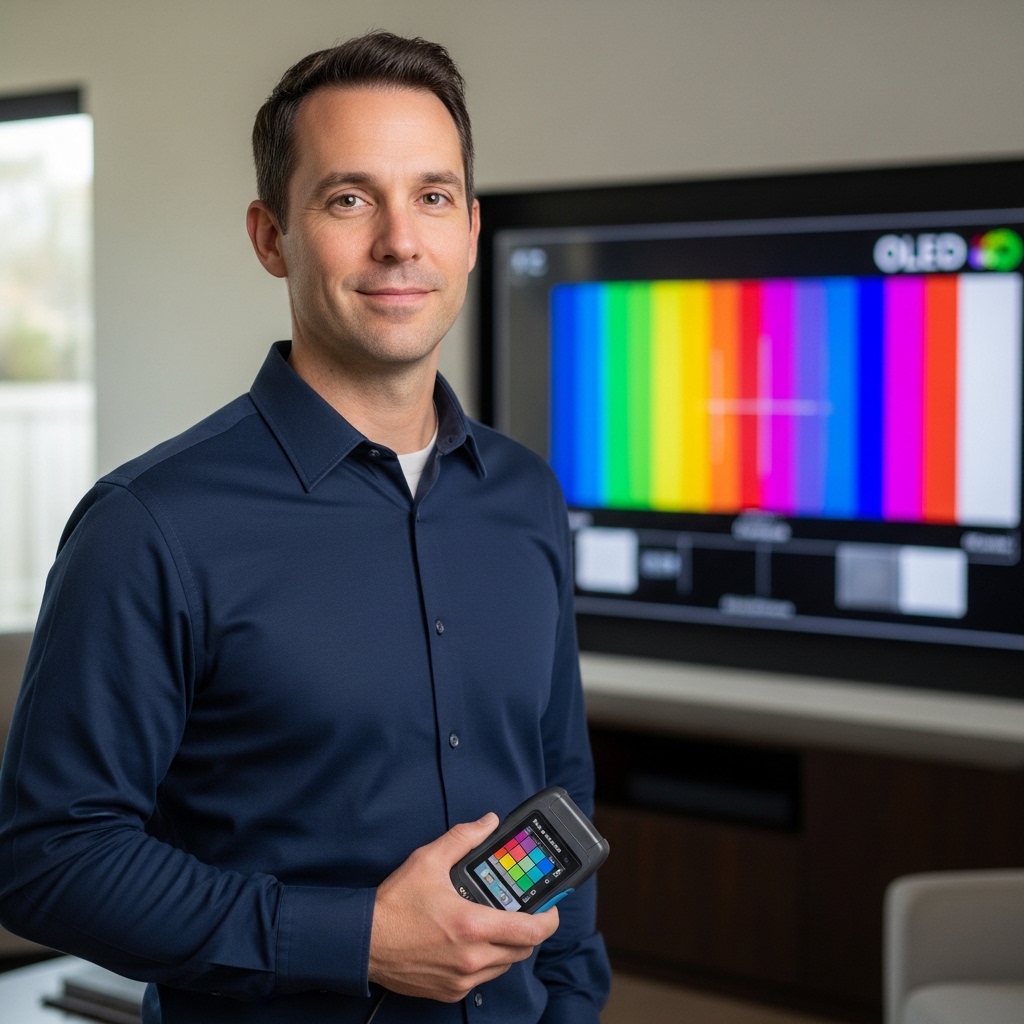

Ambient daylight spilling across a living room screen can quickly reveal whether a display possesses sufficient backlight output and color volume. While shopping for high-brightness panels, shoppers frequently notice quantum dot terminology across multiple brands and wonder does lg have qled tv options available. In practical terms, LG does not use the specific QLED branding on its retail packaging, but the company manufactures displays utilizing quantum dot material under its dedicated QNED series. Exploring the best QLED TVs reveals that quantum dot layers enhance color purity by converting blue light into vibrant reds and greens.
While competitors like Samsung and TCL market their quantum dot televisions directly under QLED and QD-Mini LED names, LG divides its premium catalog between QNED Mini-LED displays and self-emissive OLED evo models. Understanding how LG approaches color filtering, local dimming backlights, and panel architectures helps buyers select the ideal screen for daytime brightness or dark-room cinematic viewing. Whether prioritizing wide viewing angles for sectional couches or high sustained luminance to overcome sunny windows, recognizing these brand distinctions ensures you make an informed investment.

Pros
- Crisp 4K upscaling and vibrant color volume from LG QNED panel tech.
- Smooth gaming support featuring AMD FreeSync Premium and low-latency Game Optimizer.
- Convenient webOS smart hub featuring 400+ free streaming channels on LG Channels.
- Compact 43-inch footprint ideal for dorms, bedrooms, and smaller living areas.
Cons
- Built-in speakers may lack deep low-end bass for explosive movie soundtracks without an external soundbar.
- Smaller screen dimension may feel modest for spacious basement home theaters or distant sofa viewing.
- Off-angle color saturation may shift slightly compared to premium OLED displays in extra-wide seating arrangements.
The LG 43-Inch QNED73B Series 4K Smart TV is a compact, feature-rich display engineered for versatile everyday entertainment. Designed specifically for apartment renters, bedroom TV shoppers, dorm residents, and home office setups, this unit delivers vibrant colors and modern streaming convenience in a manageable footprint. Whether you are catching morning news broadcasts, watching animated movies with the kids, or connecting a modern gaming console for evening sessions, this screen size brings premium viewing into spaces where larger displays would overwhelm the room.
Picture performance centers on LG Dynamic QNED Color technology paired with the a7 AI Processor 4K Gen9. Based on product specifications, the panel provides 100% color volume, helping saturated tones and subtle gradients appear vibrant without looking artificially blown out. The processor actively works on super upscaling, which helps clean up standard-definition cable feeds, classic movies, and sports streams. HDR10 Pro dynamically adjusts brightness across scenes, while Filmmaker Mode automatically preserves correct director frame rates and aspect ratios, compensating for ambient room light so movie nights feel authentic.
Gamers will appreciate the integration of dedicated console and cloud gaming tools. With AMD FreeSync Premium and Auto Low Latency Mode (ALLM), the screen maintains fluid responsiveness and minimizes annoying screen tearing during fast-paced shooters or racing games. The onboard LG Game Dashboard and Game Optimizer give players quick access to frame rate metrics, input lag settings, and genre presets without disrupting the match. These responsive gaming features make the display an appealing secondary display for dedicated PC and console players.
On the smart side, LG webOS delivers an intuitive dashboard loaded with popular streaming services, voice assistance compatible with Alexa, and direct integration with over 400 free ad-supported streaming channels via LG Channels. The Gallery Plus feature can transform the panel into digital artwork when not in active use, blending seamlessly into your room decor. Audio is handled by Sound Pro processing, which boosts dialogue clarity for late-night binge watching. For those desiring deeper bass during action movies, WOW Orchestra support allows the TV to coordinate seamlessly with compatible LG soundbars.
While the display excels in compact rooms, prospective buyers should consider a few natural physical constraints. At 43 inches, this display is best suited for closer viewing distances rather than cavernous living rooms or expansive basement home theaters. As with many mid-range backlit displays, wide viewing angles may show modest color falloff, and built-in speakers provide clear speech but modest low-end impact. For budget-conscious shoppers, college students, cord-cutters, and families seeking an adaptable, high-performing TV for bedrooms or modest living spaces, the LG QNED73B represents a well-rounded and sensible investment.
Console and PC gamers looking for a desk-friendly screen will find reliable support in this LG display. Equipped with AMD FreeSync Premium, the screen matches frame rates with output devices to eliminate tearing and stuttering during high-speed action sequences.
Auto Low Latency Mode (ALLM) instantly switches the display into optimal low-lag settings whenever a compatible gaming device is detected. The built-in Game Optimizer menu lets players tweak picture modes for first-person shooters, role-playing titles, and sports games without digging through general TV menus.
Powered by LG webOS, the interface prioritizes effortless media discovery and fast access to your favorite subscription services. Built-in integration with LG Channels grants immediate access to hundreds of live channels alongside thousands of free on-demand movies and television programs.
Voice controls compatible with Alexa simplify hands-free volume adjustment, content searching, and smart home automation. When the television is idle, the Gallery Plus feature lets you display fine artwork and scenic photography to enhance the ambient style of your living space.


Pros
- Excellent brightness and contrast from Mini LED and QLED combination, great for well-lit rooms
- 144Hz refresh rate with VRR and ALLM support delivers smooth, responsive gaming on PS5, Xbox, and PC
- Google TV interface is fast, intuitive, and offers thousands of streaming apps including Netflix, Disney+, and Prime Video
- Onkyo audio system with Dolby Atmos provides clear dialogue and impressive bass for a TV's built-in speakers
- Solid value proposition with high-end features at a price point accessible to budget-conscious shoppers
Cons
- Viewing angles may be narrower than premium OLED models, though adequate for most living rooms
- Some users may find the remote control lacks a dedicated backlit button for dark room use
- Built-in speaker system, while good, may still benefit from a separate soundbar for true home theater immersion
The TCL 65QM6K is a 2025 model that brings Mini LED and QLED technologies together in a 65-inch 4K package. This TV is designed for American households that want a premium viewing experience without breaking the bank. It's well-suited for homeowners, apartment renters, families with kids, cord-cutters, and gamers who need a reliable, feature-packed display for everyday entertainment.
Picture quality is the standout here. The QD-Mini LED system uses thousands of tiny LEDs to control backlighting with precision. This means bright highlights pop, black levels are deep, and there's minimal blooming around text or subtitles. The Halo Control System enhances shadow detail, so dark movie scenes and nighttime sports broadcasts look natural and detailed. Dolby Vision and HDR10+ support means you get the best possible HDR from streaming services and 4K Blu-rays.
Gamers will appreciate the 144Hz native refresh rate, which supports VRR and ALLM for tear-free, low-lag gameplay. Whether you're playing fast shooters or open-world adventures, motion stays smooth and responsive. The TV also has a Game Master Pro mode that optimizes settings automatically. For sports fans, the Motion Rate 480 technology reduces blur during fast action like football, hockey, or auto racing.
The Google TV smart platform is snappy and easy to navigate. You can access Netflix, Disney+, YouTube, and thousands of other apps. Voice control works through the included Alexa-enabled remote, letting you search for shows, control smart home devices, or adjust settings hands-free. Setup is straightforward: you attach the sturdy stand or mount it using the VESA pattern, plug in HDMI 2.1 devices or a soundbar via eARC, and you're ready to go.
Audio quality is above average for a TV this size. Onkyo-tuned speakers deliver clear dialogue and surprising bass, with Dolby Atmos support adding height to the soundstage. While it's good enough for casual viewing, home theater enthusiasts may want to pair it with a separate soundbar for a truly immersive experience. The design is sleek with thin bezels, making it a stylish addition to any living room, bedroom, or home theater setup.
Overall, the TCL 65QM6K offers a compelling mix of advanced display tech, gaming features, and smart TV convenience at a price that's hard to beat. It's ideal for budget-conscious shoppers who still want high performance for movies, sports, streaming, and gaming. Keep in mind that viewing angles aren't as wide as OLED, and the remote lacks a backlight, but these are minor trade-offs for the value provided.

Pros
- Quantum HDR with HDR10+ delivers impressive contrast and detail in bright and dark scenes.
- AI upscaling improves the look of HD and even standard-def content significantly.
- Samsung Gaming Hub offers a wide selection of cloud games with no hardware needed.
- Built-in Alexa and free streaming channels add great value for cord-cutters.
- Competitive price for a 65-inch QLED with advanced features.
Cons
- No Dolby Vision support, relying on HDR10+ which has less widespread content.
- Built-in speakers may lack deep bass for a truly cinematic experience; a soundbar is recommended.
- Limited to 60Hz refresh rate, which may not satisfy competitive gamers seeking 120Hz.
The Samsung 65Q7F is a 2025 model QLED 4K smart TV that aims to bring premium features to a more accessible price point. It combines Quantum Dot color technology with an AI-powered processor to enhance picture and sound in real time. This TV is designed for homeowners, apartment renters, and families who want a large, vibrant display for everyday entertainment without breaking the bank.
Picture quality is a strong suit here. The Quantum HDR (HDR10+) support delivers punchy highlights and decent black levels for a QLED panel. The AI upscaling is particularly useful for streaming older shows or cable content, making them look noticeably sharper. Colors are rich and accurate, and the TV handles bright room conditions well thanks to good peak brightness. However, it lacks Dolby Vision, which might disappoint home theater enthusiasts who prefer that format's wider availability.
For gamers, the Samsung Gaming Hub is a standout feature. It offers instant access to cloud gaming services like Xbox Game Pass and NVIDIA GeForce NOW without needing a console. The TV also supports Auto Low Latency Mode (ALLM) to reduce input lag, though it's limited to a 60Hz panel. This makes it great for casual and story-driven games, but competitive players may want a 120Hz model. The Object Tracking Sound Lite adds a sense of immersion, but the built-in speakers are average - a soundbar is a worthy upgrade for movie nights.
Smart TV performance is smooth thanks to the Tizen platform and the Q4 AI Gen1 processor. Apps load quickly, and the interface is responsive. Built-in Alexa allows for hands-free control, and Samsung Knox provides solid security for connected devices. The inclusion of over 2,700 free channels via Samsung TV Plus is a huge plus for cord-cutters, covering news, sports, and movies without any subscription.
Setup is straightforward: the TV comes with a simple stand, and VESA mounting is standard. The slim bezels give it a modern look that fits well in any living room or bedroom. Connectivity includes multiple HDMI ports (likely 2.1 on one port for eARC), USB, Wi-Fi, and Bluetooth. One limitation is the lack of HDMI 2.1 bandwidth for 4K at 120Hz, but for most users this won't be an issue.
Overall, the Samsung 65Q7F QLED TV is a strong contender for budget-conscious shoppers, families, and streamers who want a large 4K TV with excellent color, smart features, and gaming flexibility. It's not for hardcore gamers or those needing Dolby Vision, but for daily movie watching, sports, and casual gaming, it delivers impressive value.
The Samsung 65Q7F uses Quantum Dot technology to produce over a billion colors, resulting in vibrant, lifelike images. Quantum HDR with HDR10+ enhances contrast by dynamically adjusting brightness and color scene by scene. This means you get deeper blacks and brighter highlights in compatible content. The AI upscaling is effective at cleaning up lower-resolution sources, making HD and even standard-def look surprisingly sharp. While it doesn't support Dolby Vision, the HDR10+ performance is strong, and the TV handles reflections well in moderately lit rooms. For a QLED, black levels are good but not as deep as an OLED - some blooming may be visible in dark scenes with bright objects.
The Samsung Gaming Hub is the highlight for gamers, providing instant access to cloud gaming services like Xbox Game Pass, GeForce NOW, and Amazon Luna. The TV supports Auto Low Latency Mode (ALLM) to minimize input lag, making games feel responsive. However, the panel is limited to 60Hz, so it's best suited for single-player and story-driven titles rather than competitive shooters that benefit from higher frame rates. The Object Tracking Sound Lite helps with directional audio, but for a truly immersive gaming experience, a dedicated sound system is recommended. The TV also supports HDR10+ Gaming for enhanced visuals in supported titles.

Pros
- Crisp 4K picture quality powered by Mini-LED backlighting and QNED color technology
- Fast 144Hz refresh rate and AMD FreeSync Premium deliver responsive gaming performance
- Intuitive webOS smart platform with built-in voice control convenience
- Intelligent AI upscaling enhances legacy cable channels and standard streaming feeds
- Sleek, modern slim-bezel design complements contemporary home entertainment setups
Cons
- Lacks Dolby Vision HDR support, relying instead on HDR10 Pro and Filmmaker Mode
- Built-in stereo speakers provide basic audio that benefits from an external soundbar
- Viewing angles from wide side positions may experience slight color shifting compared to OLED panels
The LG 65-Inch QNED84B Series Mini-LED 4K Smart TV brings together advanced display engineering and everyday versatility for American living rooms, basements, and entertainment hubs. Built around LG's QNED evo platform, this display blends quantum dot and NanoCell color filters over an array of Mini-LED backlights. The result is a balanced screen engineered to meet the demands of sports fans hosting Sunday football parties, families gathering for movie night, and console gamers demanding fast response times without paying the premium associated with OLED displays.
Visual performance stands out thanks to the combination of Mini-LED backlighting and Dynamic QNED Color Pro. By packing smaller, more densely concentrated LEDs behind the panel, the TV achieves brighter specular highlights alongside controlled black levels that minimize noticeable blooming. Driving the screen is the a8 AI Processor 4K Gen3, which works behind the scenes to analyze on-screen content and optimize resolution in real time. Standard high-definition broadcasts and older streaming titles benefit from clean upscaling, while HDR10 Pro and Filmmaker Mode adjust frame rates, color tones, and ambient brightness to preserve director intent without artificial smoothing.
For gaming enthusiasts, this screen acts as a responsive centerpiece for current-generation consoles and gaming PCs. Equipped with native 144Hz refresh rate capabilities and Motion Booster 288, action sequences and fast-paced competitive shooters stay sharp with negligible motion blur. The inclusion of AMD FreeSync Premium and Auto Low Latency Mode eliminates screen tearing and minimizes input lag. Players can also fine-tune display settings on the fly using the built-in LG Game Optimizer and Game Dashboard, which organize frame rate data and low-latency profiles in a single convenient overlay.
Smart convenience is handled by the refreshed webOS operating environment, which provides smooth navigation across major streaming apps like Netflix, Disney+, and Prime Video. Built-in compatibility with Amazon Alexa enables hands-free volume adjustments, input switching, and quick searches. Audio is delivered through integrated stereo speakers enhanced by WOW Orchestra functionality, a feature that lets compatible LG soundbars work in tandem with the TV speakers to create a wider, more cohesive front soundstage for dialogue and cinematic effects.
Practicality and build quality are evident throughout the physical setup. Weighing under 37 pounds with a slim 2.7-inch panel depth, the screen is straightforward to mount on standard VESA wall brackets or position atop a wide media console using the included stand. While the display excels in bright living spaces where ambient daylight might wash out dimmer panels, off-axis viewing angles can show mild color shifting, and home theater purists should note the absence of Dolby Vision formatting. Even with those trade-offs, this 65-inch model delivers exceptional brightness, fluid motion, and dependable smart integration that suit busy family spaces and dedicated gaming setups alike.
Competitive and casual players will appreciate the high-bandwidth gaming features packed into this display. Supporting up to a 144Hz refresh rate alongside AMD FreeSync Premium, the TV prevents screen tearing and stutter during intense PC or console sessions.
With Auto Low Latency Mode automatically engaging when a game starts, input lag drops to imperceptible levels. The on-screen Game Optimizer menu lets you adjust black stabilizer levels, customize audio profiles, and monitor real-time frame rates without leaving your match.
Mini-LED backlighting provides a notable boost in brightness and contrast over standard LED screens. Denser backlight clusters help produce punchy highlights in HDR scenes while keeping dark backgrounds deep and uniform.
Paired with Dynamic QNED Color Pro, the panel covers a broad color spectrum with vivid saturation that holds up well in sunlit living rooms. The intelligent a8 AI Processor continually analyzes lower-resolution broadcasts, refining sharpness and texture so older movies and live sports always appear crisp.

Pros
- Massive array of up to 2,100+ local dimming zones significantly minimizes blooming around bright subtitles and high-contrast objects.
- Exceptional gaming capabilities with native 144Hz refresh rate, AMD FreeSync Premium Pro, and Game Accelerator support up to 288 VRR.
- Rich, natural color volume powered by quantum dot crystals and the 5nm particle Ultra Color Filter.
- Built-in Bang & Olufsen acoustic tuning provides clearer dialogue and balanced sound profiles right out of the box.
- Google TV platform offers smooth app navigation, hands-free voice assistance, and interactive Gemini AI integration.
Cons
- VA-type panel technology tends to show slight color desaturation when viewing from wider off-axis angles.
- High-tier Mini-LED brightness output may require initial picture setting adjustments to avoid eye fatigue in dark bedrooms.
- Reaching a complete surround-sound home theater experience requires purchasing optional add-on wireless audio speakers.
The TCL 55-Inch QM7L Series is a premium 4K SQD-Mini-LED QLED television designed to bridge high-end cinema display technology with elite gaming performance. Engineered for home theater buffs, avid console and PC gamers, sports fanatics, and modern apartment renters, this 55-inch display offers a versatile sweet spot that fits comfortable living spaces and dedicated media rooms alike. With the integration of Google TV, built-in Gemini Interactive AI, and acoustic engineering tuned by Bang & Olufsen, the display provides a comprehensive entertainment hub for households seeking elevated picture quality without needing an oversized footprint.
At the core of the QM7L visual experience is an advanced SQD-Mini-LED backlight system boasting up to 2,100+ discrete local dimming zones controlled by the TCL Halo Control System. This architecture effectively tackles backlight blooming, producing deep, rich black levels that rival OLED displays while maintaining impressive specular peak brightness for punchy HDR highlights. Supported by the AIPQ Pro Processor, the screen intelligently evaluates incoming video frames to optimize color fidelity, contrast curves, and motion clarity. Movies mastered in Dolby Vision, HDR10+, and standard HDR formats come alive with nuanced shadow detail, while standard definition sports broadcasts benefit from clean digital noise reduction and crisp upscaling.
Gamers will appreciate the TCL Game Pack suite, which leverages a native 144Hz refresh rate alongside Game Accelerator technology pushing up to 288 VRR. With AMD FreeSync Premium Pro, Auto Low Latency Mode (ALLM), and a dedicated on-screen Game Bar, fast-paced first-person shooters and competitive racing titles run with minimal input lag and zero screen tearing. Motion handling across live action sports like football or hockey remains remarkably fluid, eliminating motion smearing during rapid camera pans across the field.
The physical build showcases a sleek modern aesthetic, highlighted by slim bezels and a sturdy stand profile that fits easily atop standard credenzas or mounts smoothly to walls using standard VESA brackets. The Google TV interface provides streamlined access to major streaming giants like Netflix, Disney+, and Prime Video, bolstered by responsive Gemini AI voice searches that quickly track down favorite genres and shows. For everyday television viewing, the integrated Bang & Olufsen audio configuration produces articulate vocal dialogue and decent midrange response, while the expandable architecture allows home theater fans to pair wireless subwoofers and surround speakers as their audio demands grow.
While the HVA 2.0 Pro panel does a dependable job minimizing ambient light reflections and boosting native contrast, wide viewing angles remain a natural constraint, meaning viewers seated far off to the side may notice a slight drop in contrast and saturation. Additionally, casual viewers may want to spend a few minutes tuning the out-of-the-box vivid presets to dial in natural skin tones for cozy, dark-room viewing. Overall, the TCL 55QM7L presents a compelling, high-value investment for movie lovers, next-gen console owners, and cord-cutters searching for outstanding brightness, deep contrast, and smooth gaming refresh rates in a dependable 55-inch form factor.
The QM7L features an SQD-Mini-LED backlight combined with TCL's Halo Control System to manage light bleed with remarkable precision. By utilizing up to 2,100+ discrete local dimming zones, bright objects against pitch-black backgrounds maintain crisp outlines with virtually nonexistent halo effects.
TCL's Ultra Color Filter utilizes fine 5-nanometer particles rather than standard larger crystals, unlocking broader color volume and heightened accuracy. Combined with the HVA 2.0 Pro panel, movie watchers can expect deep black floor levels, bright specular highlights, and natural color gradients that bring high dynamic range content to life.
For competitive and casual gamers alike, the TCL Game Pack provides a robust suite of next-gen display tools. The native 144Hz refresh rate provides silky-smooth rendering on modern consoles and gaming PCs, while the Game Accelerator feature can push refresh rates up to 288 VRR for high-speed responsiveness.
Support for AMD FreeSync Premium Pro and Auto Low Latency Mode prevents frame stuttering and screen tearing during intense combat sequences. Gamers can also access the dedicated Game Bar overlay to quickly inspect frame rates, adjust shadow enhancement levels, and fine-tune crosshairs without pausing their play session.
Pros
- Excellent brightness and contrast from Mini-LED backlighting, great for well-lit rooms and HDR content.
- High native 144Hz refresh rate with support for VRR and ALLM makes it a strong gaming TV for consoles and PC.
- Google TV interface is snappy, intuitive, and offers a wide selection of streaming apps.
- Dolby Atmos and Onkyo audio provide solid built-in sound quality, reducing need for a soundbar.
- Competitive pricing for a Mini-LED QLED with these features, offering strong value for budget-conscious shoppers.
Cons
- Viewing angles may be limited compared to OLED, with potential color shift when viewed from the side.
- Built-in speakers, while decent, may lack deep bass for home theater enthusiasts used to external audio systems.
- As a new 2025 model, there are minimal user reviews available to confirm long-term reliability and performance consistency.
The TCL 55-inch QM6K is a 2025 model Mini-LED QLED 4K TV that aims to deliver premium performance without the premium price tag. It combines TCL's Mini-LED backlight technology with Quantum Dot color to produce impressive brightness, deep blacks, and vibrant, accurate colors. This television is designed for a wide range of viewers including homeowners looking to upgrade their living room, apartment renters wanting a space-efficient yet powerful TV, gamers who demand smooth motion and low input lag, sports fans who want crystal-clear action, movie lovers craving HDR excellence, families needing a versatile daily driver, cord-cutters and streamers who live in streaming apps, and budget-conscious shoppers seeking high value. The QM6K also suits tech enthusiasts curious about Mini-LED, and it could work as a bedroom TV or even for outdoor entertainment in a covered patio.
Picture quality is the highlight here. The Mini-LED array provides excellent local dimming control, which enhances contrast and black levels far beyond standard LED TVs. The Halo Control System aims to reduce blooming and halo effects, so dark scenes remain deep while bright highlights stay sharp. Color volume is outstanding thanks to Quantum Dots, covering over a billion shades. HDR performance is strong with support for Dolby Vision, HDR10+, HDR10, and HLG, ensuring compatibility with all major HDR sources. Brightness is high enough to combat glare in moderately lit rooms, making it practical for daytime viewing. Motion handling is superb with a native 144Hz refresh rate and a motion rate of 480, reducing blur in fast-paced sports, action movies, and video games. Some users may notice slight judder in 24p content, but motion interpolation can smooth that out if preferred.
For gaming, the QM6K is a standout. The 144Hz native refresh rate, combined with Variable Refresh Rate (VRR) and Auto Low Latency Mode (ALLM), ensures tear-free, responsive gameplay. Input lag is very low, making it suitable for competitive gaming on consoles or PC. While the product listing doesn't specify HDMI 2.1 ports, the high refresh rate and VRR support suggest it has at least one HDMI 2.1 port to handle 4K at 144Hz. This TV will work well with PlayStation 5, Xbox Series X, and high-end gaming PCs. The Google TV platform is responsive and easy to navigate, with quick app loading and a personalized home screen. Voice control via Alexa or Google Assistant works reliably for searching content, controlling smart home devices, and adjusting settings.
Sound quality is better than many built-in TV speakers thanks to the Onkyo-tuned system and Dolby Atmos support. Dialogue is clear, and there's enough bass for casual viewing without a soundbar. However, audiophiles or home theater purists may still want to add an external sound system for fuller, more immersive audio. The design is modern with slim bezels, a sturdy central stand, and a clean profile that fits well in most entertainment centers. VESA mount compatibility makes wall mounting easy, and the included voice remote is comfortable to use with dedicated streaming buttons. Setup is straightforward, and the TV automatically detects devices connected via HDMI. Wi-Fi and Bluetooth connectivity are reliable for streaming and pairing accessories.
There are a few realistic limitations to consider. Viewing angles are typical for a VA-based panel, so color and contrast degrade when you sit far to the side. This TV is best enjoyed directly in front. Also, while the built-in speakers are decent, they cannot match the depth of a dedicated soundbar or surround system. As a brand-new 2025 model, user reviews are scarce, so long-term reliability is not yet proven. Potential buyers might want to check for any early adopter issues. Overall, the TCL 55-inch QM6K offers an appealing package of Mini-LED picture quality, high refresh rate gaming, and a smart platform, all at a price that undercuts many competitors. It's an excellent choice for anyone who wants a premium viewing experience for movies, sports, and gaming without breaking the bank.
The TCL QM6K uses a Mini-LED backlight combined with Quantum Dot technology to deliver exceptional brightness and a wide color gamut. The local dimming system, called Halo Control, helps reduce blooming and improve black levels, resulting in deeper shadows and more precise highlights. In HDR mode, the TV can get impressively bright, making Dolby Vision and HDR10+ content look vibrant and lifelike. Color accuracy is good out of the box, with over a billion colors supported. Motion is handled well thanks to the 144Hz panel and motion smoothing options, though purists may want to disable interpolation for film content. Overall, the picture quality punches above its price point and competes well with more expensive models.
Gamers will appreciate the 144Hz native refresh rate, which ensures smooth motion and reduced blur in fast-paced titles. VRR and ALLM support minimize screen tearing and input lag, providing a responsive experience for competitive gaming. While the product does not explicitly list HDMI 2.1, the 144Hz capability at 4K suggests it has the necessary bandwidth. Input lag is very low, making it suitable for first-person shooters and racing games. The QM6K is a solid choice for PlayStation 5, Xbox Series X, and PC gaming. The Google TV interface also offers gaming-related apps and cloud streaming services.
The TV runs Google TV, which provides a clean, customizable home screen with recommendations based on your viewing habits. It includes access to thousands of apps like Netflix, Prime Video, Disney+, YouTube, and more. Voice control is built-in with Google Assistant and Alexa, allowing you to search for shows, control smart home devices, and adjust settings hands-free. The interface is responsive and fast, with quick app loading times. Chromecast is integrated, so you can cast content from your phone. The remote has dedicated buttons for popular streaming services and a voice control button.
The TCL QM6K features a speaker system tuned by Onkyo, which is a step above typical TV audio. It supports Dolby Atmos, giving a sense of height and immersion. Dialogue is clear, and there is modest bass for a built-in system. For everyday TV watching, news, and casual streaming, the sound is more than adequate. However, for a true home theater experience or bass-heavy content like action movies, adding a soundbar or external speakers will enhance the soundstage and depth. The TV also has an eARC HDMI port to easily connect an audio system.

Pros
- Exceptional black levels and color accuracy – perfect for movie lovers and home theater enthusiasts
- Outstanding gaming performance with 144Hz, VRR, and low input lag – one of the best OLEDs for gamers
- Brightness Booster and anti-glare coating make it more usable in living rooms with windows
- Four HDMI 2.1 ports provide future-proof connectivity for multiple high-bandwidth devices
Cons
- OLED burn-in risk remains a concern for static content like news channels or HUDs; proper care is needed for long-term use
- Built-in speakers, while decent, lack the bass and immersion of a dedicated soundbar – Dolby Atmos is best experienced with external audio
- Premium price point may be steep for budget-conscious shoppers, though it reflects the high-end OLED technology
The LG 65-inch OLED evo AI 4K C5 Series (2025) is a premium OLED smart TV that sets a new benchmark for picture quality and gaming performance. It uses LG’s self-lit OLED technology, which means each pixel produces its own light and can turn off completely for perfect black levels. This gives you infinite contrast, vibrant colors, and stunning HDR performance that makes movies, sports, and games look incredibly lifelike.
This TV is best suited for home theater enthusiasts, gamers, movie lovers, and families who want the best possible picture for their living room or dedicated media room. The self-lit pixels also deliver wide viewing angles, so everyone on the couch or around the room sees consistent color and contrast. The Brightness Booster and anti-glare coating help reduce reflections, making it more practical for bright rooms than earlier OLEDs, though it still shines best in a dimmer environment.
For gamers, the C5 is a powerhouse. It supports up to 144Hz refresh rate, a 0.1ms response time, NVIDIA G-Sync, AMD FreeSync Premium, and VRR. It also has four HDMI 2.1 inputs, so you can plug in a PS5, Xbox Series X, a gaming PC, and a soundbar all at once. The Game Dashboard and Game Optimizer put all the key settings at your fingertips. Sports fans will appreciate the smooth motion handling and judder reduction, while fast-moving action stays clear and blur-free.
The Alpha 9 AI Processor Gen8 handles everything from upscaling lower-resolution content to optimizing picture and sound based on what you’re watching. Filmmaker Mode preserves the original aspect ratio, color, and frame rate for a cinema-like experience. The built-in webOS platform is fast and responsive, with access to all major streaming apps like Netflix, Disney+, Prime Video, and YouTube. Alexa is built-in, so you can control the TV, smart home devices, and search for content hands-free.
Setup is straightforward: the TV comes with a sturdy stand that’s easy to attach, and it supports VESA wall mounting for a cleaner look. The design is sleek with ultra-thin bezels that keep the focus on the picture. Cable management channels on the back help keep things tidy. The included remote is well-designed, though some users may prefer a backlit version for dark rooms. Sound quality from the built-in speakers is decent for everyday TV, but for a truly cinematic experience with Dolby Atmos, pairing with a compatible soundbar (like LG’s Wow Orchestra) is recommended.
Realistically, OLED burn-in is a potential issue if you watch static content for hours daily, but modern LG OLEDs have improved pixel shift and logo dimming to mitigate this. The price is high, but you’re getting top-tier picture quality, gaming features, and smart TV performance. If you’re looking for the best TV for movie nights, competitive gaming, or a home theater setup, the LG C5 is a fantastic choice. For cord-cutters and streamers, it’s a dream – everything looks amazing, from 4K HDR movies to 1080p sports.
The LG C5 OLED evo delivers stunning picture quality thanks to its self-lit pixels. Perfect black levels create infinite contrast, making HDR content with Dolby Vision and HDR10 pop with incredible depth. The Brightness Booster enhances luminance, so bright highlights stand out without washing out blacks. Color accuracy is exceptional, covering a wide color gamut for vibrant, lifelike images. The Alpha 9 Gen8 processor uses AI Super Upscaling to sharpen lower-resolution content, reducing noise and adding detail. Motion handling is smooth with minimal judder, thanks to the 120Hz panel (144Hz for gaming). Viewing angles are excellent, with no color shift when viewed from the side, making it ideal for family movie nights. The anti-glare filter helps in bright rooms, but OLED still performs best in controlled lighting.
Gamers will love the LG C5. It supports a 144Hz refresh rate, 0.1ms response time, NVIDIA G-Sync, AMD FreeSync Premium, and VRR for tear-free, stutter-free gameplay. Input lag is incredibly low, making it perfect for competitive shooters and fast-paced action. Four HDMI 2.1 inputs (48Gbps) allow you to connect multiple consoles and a PC simultaneously. The Game Dashboard and Game Optimizer provide quick access to settings like black stabilizer, crosshair overlay, and refresh rate monitoring. The TV automatically detects consoles and switches to game mode for optimal performance. Whether you’re playing on PS5, Xbox Series X, or a high-end PC, the C5 delivers a premium gaming experience.
LG’s webOS platform is fast, intuitive, and packed with apps. The 2025 version includes a home screen with easy access to Netflix, Disney+, Prime Video, Apple TV+, Hulu, and hundreds of other channels. Built-in Alexa lets you launch apps, search for content, control smart home devices, and even ask for the weather. You can also use Google Assistant via the remote or a compatible speaker. The processor ensures quick app loading and smooth navigation. The remote is ergonomic and has a dedicated Netflix button, but it’s not backlit. For cord-cutters, the C5 is a great choice – it handles all major streaming services with ease and supports Dolby Vision and Atmos on compatible content.
The built-in speakers on the LG C5 provide clear dialogue and decent volume for a TV. They support Dolby Atmos, creating a virtual surround sound effect that’s immersive for movies and shows. However, the bass is limited, and the overall soundstage is not as wide as a dedicated soundbar system. For the best experience, LG recommends pairing with a compatible soundbar using Wow Orchestra, which syncs the TV speakers with the soundbar for a more enveloping sound. The TV also has an eARC port for easy connection to a receiver or soundbar. If you’re a movie lover or gamer, consider adding external audio to fully enjoy Dolby Atmos.
The LG C5 has a sleek, minimalist design with ultra-thin bezels that maximize the screen real estate. The panel is only about 0.2 inches deep, giving it a floating look when wall-mounted. The stand is a sturdy central pedestal that’s easy to assemble and provides stability. It also has cable management channels to keep wires hidden. The back is made of a dark plastic with a textured finish. VESA 300x300 mounting is supported for a flush wall mount. The overall build quality feels premium, and the TV is lightweight enough for a single person to mount with help. The remote is a standard IR/Bluetooth model with a minimalist button layout and a scroll wheel.
Setup is straightforward: attach the stand or mount the TV, plug in the power and HDMI cables, and follow the on-screen wizard. The TV has four HDMI 2.1 ports (one with eARC), two USB-A ports, an Ethernet port, optical audio out, a composite video input, and a cable/antenna connector. It also has built-in Wi-Fi 6 and Bluetooth 5.0 for wireless connectivity. The remote uses Bluetooth and RF for pairing, so you can control the TV without line of sight. The initial setup includes connecting to Wi-Fi, signing into your LG account, and configuring Alexa. The process takes about 10 minutes. For gamers, connecting consoles is plug-and-play, and the TV auto-detects settings.
Understanding LG Display Technology: QNED, OLED, and the Quantum Dot Reality
Navigating modern retail television aisles often creates confusion because display manufacturers rely on distinct proprietary acronyms for similar underlying engineering. Anyone asking does lg have qled tv hardware in its current catalog can find reassurance in knowing that quantum dot technology is heavily present throughout LG’s lineup, even if the exterior box does not display the exact QLED acronym. To make an informed decision for your home theater or living room, examining how LG deploys these optical layers across different panel types clarifies the entire purchasing process.
The Direct Answer: QNED as LG Alternative to QLED
The direct answer to whether LG sells QLED displays is both no and yes, depending on whether you look at marketing trademarks or physical hardware components. Strictly speaking, LG does not sell televisions labeled with the QLED acronym because Samsung originally popularized and trademarked that specific phrasing alongside the QLED Alliance. Instead, LG engineers incorporate quantum dot material directly into their proprietary display family marketed under the QNED designation. QNED stands for Quantum Dot NanoCell, representing an optical approach that combines two distinct color-enhancement filters in front of an LED backlight.
When you purchase an LG QNED television, you receive microscopic nanocrystal particles that perform the exact same light-conversion task found inside competing quantum dot displays. These tiny semiconductor particles absorb blue LED light and re-emit highly saturated primary greens and reds with remarkable spectral precision. By pairing quantum dots with its proprietary NanoCell filtering layer, LG removes unwanted light wavelengths to produce rich, certified color volume. As a result, anyone seeking quantum dot color performance will find equivalent engineering inside the LG QNED lineup.
This branding distinction sometimes causes shoppers to bypass LG when searching specifically for high-brightness quantum dot displays. In reality, LG created QNED to compete directly against midrange and premium quantum dot offerings from Samsung and TCL. The company offers these displays in diverse size categories, ranging from compact bedroom screens up to massive living room installations. Recognizing that QNED is LG’s functional equivalent to QLED allows buyers to compare specifications based on backlight architecture, refresh rates, and processing power rather than marketing terms alone.
QNED Architecture: Combining Quantum Dots, NanoCell, and Mini-LED
Understanding the internal layer stack of an LG QNED television explains why these panels deliver punchy, accurate imagery across different room environments. Traditional LED LCD televisions rely on white LED backlights filtered through standard color filters, which can lead to light leakage and muted color accuracy. LG addresses this limitation by using high-output blue LEDs as the primary illumination source beneath the panel. This clean blue light passes through a quantum dot enhancement film, which converts a portion of the spectrum into pure red and green light.
Following the quantum dot layer, LG applies an additional NanoCell optical filter composed of light-absorbing nanoparticles. This secondary filter absorbs dull, muddy light wavelengths occurring between green and red, ensuring that color reproduction remains remarkably crisp and true to source material. In step-up configurations such as the LG 65-Inch Class QNED evo AI QNED84B Series Mini, LG integrates thousands of miniaturized diodes known as Mini-LEDs behind the LCD substrate. These tiny diodes allow for dense local dimming zones that can brighten specular highlights while dimming background areas.
Backlight architecture does vary depending on the specific model tier and physical screen size in LG’s catalog. Entry-level models like the LG Amazon Exclusive 43-Inch Class QNED AI 4K rely on more conventional backlighting configurations that prioritize space efficiency and lower energy consumption for smaller rooms. Meanwhile, larger QNED evo variants utilize advanced Mini-LED grids to deliver high sustained brightness levels that counteract strong ambient daylight. Evaluating whether a particular model uses edge-lit, direct-lit, or full Mini-LED backlighting ensures you select the right contrast level for your viewing environment.
How LG QNED Compares with Samsung and TCL QLED Displays
Comparing LG QNED with traditional quantum dot offerings from Samsung and TCL reveals notable differences in panel physics, contrast capabilities, and viewing angles. TCL and Samsung frequently utilize Vertical Alignment (VA) liquid crystal panels across their popular quantum dot lines. VA panels naturally block backlight transmission more effectively, resulting in deeper native black levels when viewed straight on. Models such as the Samsung 65-Inch Class QLED Q7F Series Samsung leverage this panel design alongside Quantum HDR processing to produce bold dark-room contrast.
Conversely, LG frequently implements Advanced Demultiplexing Switch (ADS) or In-Plane Switching (IPS) panels within its QNED catalog, though panel types can vary by size. ADS and IPS panels excel at maintaining color saturation and contrast when viewed from side angles, making them ideal for wide sectional couches and social gatherings. If you browse our guide to 55-inch QLED TV options, you will see how room layout heavily influences whether VA contrast or wide-angle viewing is the superior choice. TCL bridges this divide by incorporating advanced dimming technologies in displays like the TCL 65 Inch Class QM6K Series.
Local dimming execution also sets different brands apart across the quantum dot category. Premium models like the TCL 55 Inch Class QM7L Series feature specialized dimming arrays with up to 2,100 discrete local dimming zones to suppress distracting halos around bright subtitles. LG’s QNED Mini-LED models also deploy sophisticated zone dimming algorithms powered by onboard AI processors to minimize blooming. While both approaches achieve impressive daylight visibility, TCL and Samsung generally focus on peak native contrast, whereas LG prioritizes color fidelity and broad viewing angles.
The Premium Alternative: LG OLED evo Versus Quantum Dot Backlights
While LG provides strong quantum dot performance through its QNED family, the brand’s primary flagship focus remains firmly rooted in self-emissive OLED technology. Televisions such as the LG 65-Inch Class OLED evo AI 4K C5 Series Smart TV represent a completely different engineering philosophy compared to LED-backlit displays. Instead of relying on a separate light source shining through an LCD matrix, OLED panels feature over 8.3 million individual self-lit pixels that can switch off completely. This design delivers true black levels, infinite contrast, and zero backlight blooming around illuminated objects.
Step-up models like the LG 77-Inch OLED evo C6 4K Smart TV introduce Brightness Booster Pro technology to drive higher luminance from organic emissive layers than standard OLED screens could previously achieve. In a pitch-black home theater, the pixel-level precision of an OLED evo display creates depth that backlit quantum dot TVs cannot fully replicate. However, QLED and QNED displays retain a practical advantage in sun-drenched living rooms where high sustained full-screen brightness is essential to overpower direct daylight reflections. At the same time, quantum dot displays utilize inorganic materials that present zero risk of permanent image retention over years of static content display.
Choosing between an LG QNED display and an LG OLED evo model comes down to viewing habits and room illumination. If your television sits opposite large windows that let in unfiltered sunlight during the afternoon, an LG QNED Mini-LED or competing TCL QLED model provides the necessary luminance to keep images punchy. If you primarily watch films in dim ambient light and value perfect black letterbox bars during widescreen movies, an OLED evo screen remains the benchmark. Both technologies excel within their intended viewing environments, giving consumers compelling paths to high-end home entertainment.
High Dynamic Range Processing and Color Performance
High dynamic range performance depends heavily on the format compatibility and video processing power embedded inside the television chassis. Premium LG displays incorporate advanced image processors, such as the Alpha 7, Alpha 8, and flagship Alpha 11 AI processors, to analyze incoming video frame by frame. These processors dynamically optimize brightness, sharpen fine textures, and upscale lower-resolution broadcasts toward 4K clarity. On models like the TCL 55 Inch Class QM6K Series, broad format support ensures that content rendered in HDR10, HDR10+, Dolby Vision, and HLG plays back as intended.
Format licensing creates an important divide among manufacturers that every prospective television buyer should understand. LG actively supports Dolby Vision, standard HDR10, and HLG across its QNED and OLED lineups, ensuring optimal scene-by-scene dynamic tone mapping for Dolby Vision streaming catalogs. Samsung, on the other hand, does not license Dolby Vision, relying instead on its proprietary HDR10+ dynamic metadata format and standard HDR10 processing. TCL uniquely bridges this gap by providing universal high dynamic range support across all major standards on its modern quantum dot screens.
Filmmaker Mode represents another critical feature found across LG televisions, preserving the director’s original frame rates, aspect ratios, and color grading without unwanted motion smoothing. In advanced models, Filmmaker Mode pairs with integrated ambient light sensors to dynamically adjust tone curves to match changing room illumination. Whether you are watching high-contrast HDR science fiction movies or vibrant animated releases, accurate color volume ensures that saturated tones maintain their detail rather than washing out into white light. Evaluating your primary streaming services helps determine whether Dolby Vision or HDR10+ support aligns with your home entertainment library.
Gaming Capabilities and High-Refresh-Rate Motion Handling
Modern console and PC gamers demand specific display hardware to ensure smooth, responsive gameplay without screen tearing or input latency. Enthusiasts seeking a QLED TV for fast sports action or high-frame-rate gaming will appreciate native 120Hz and 144Hz panel capabilities. Screens equipped with high native refresh rates display twice as many frames per second as entry-level 60Hz panels, drastically reducing motion blur during fast camera pans. LG provides native high-refresh capabilities across its upper-tier QNED evo screens and its entire OLED evo lineup.
For next-generation consoles like the PlayStation 5 and Xbox Series X, full-bandwidth HDMI 2.1 inputs are vital for delivering uncompressed 4K signals at 120 frames per second. High-performance models also incorporate Variable Refresh Rate (VRR), AMD FreeSync Premium, and Nvidia G-Sync compatibility to synchronize the display refresh rate with graphic card output. Auto Low Latency Mode (ALLM) automatically detects active gaming signals and switches the television into low-lag game mode without manual menu navigation. Onboard game dashboards provide real-time framerate readouts and let players tweak black stabilizer levels on the fly.
Prospective buyers should carefully check port allocations and refresh rate specifications across different screen sizes before purchasing. Compact screens in the 43-inch and 50-inch categories often step down to 60Hz native panels, which remains suitable for casual streaming but lacks the fluid motion needed for competitive shooters. Some televisions also share the enhanced Audio Return Channel (eARC) port with one of only two high-speed HDMI 2.1 inputs, forcing gamers to choose between connecting an eARC soundbar or a second gaming console. Premium LG OLED models avoid this restriction by offering four independent high-bandwidth HDMI 2.1 ports across the chassis.
Smart TV Operating Systems and User Experience
The software platform running on a television fundamentally dictates day-to-day usability, streaming convenience, and smart home integration. LG powers its entire display lineup with webOS, a mature platform recognized for its fluid card-based navigation and extensive app ecosystem. Recent iterations of webOS incorporate AI assistant integration alongside LG Channels, granting owners direct access to hundreds of free streaming channels and on-demand programming. Smart integration allows users to control compatible smart home gear and issue voice commands using integrated Alexa support.
Competing manufacturers deploy different operating systems that cater to diverse user preferences across the smart television market. TCL relies heavily on Google TV, which features personalized content curation driven by Google Gemini AI and deep synchronization with Android mobile devices. Samsung utilizes its proprietary Tizen operating system, which includes the Samsung Gaming Hub for cloud gaming without a console alongside Samsung Knox Security to defend personal credentials. Each platform provides instant access to major streaming giants, including Netflix, Prime Video, Disney+, and Apple TV.
Audio integration also plays an important role in overall system satisfaction, especially for viewers planning to expand their soundstage with a dedicated soundbar. LG displays feature WOW Orchestra technology, which synchronizes the television’s internal speakers with compatible LG soundbars to create a unified acoustic environment. TCL partners with established audio brands such as Bang & Olufsen and Onkyo to deliver robust internal speaker tuning across its QM-series screens. Checking audio passthrough formats and soundbar clearance beneath the panel ensures seamless physical and acoustic integration in your living area.
Choosing the Right Screen Size and Room Placement
Selecting the optimal screen size requires balancing physical room dimensions, seating distance, and visual field-of-view standards. According to guidelines from the Society of Motion Picture and Television Engineers (SMPTE), achieving an immersive 30-degree field of view for mixed media requires sitting approximately 7.5 to 9 feet away from a 65-inch screen. For expansive home theaters, a 77-inch or 85-inch display delivers cinematic impact from 9 to 11 feet away, pulling viewers directly into widescreen spectacles. Conversely, compact 43-inch and 55-inch models fit naturally into bedrooms, home offices, and apartment living spaces where viewing distances remain under 7 feet.
Physical installation requires careful attention to furniture dimensions and wall-mounting structural safety. Large televisions measuring 65 inches and above carry substantial weight, necessitating a secure wall mount anchored directly into wooden wall studs or rated masonry rather than hollow drywall alone. Always verify that your chosen wall bracket matches the specific VESA pattern and weight capacity listed in the manufacturer documentation. For console setups, ensure that your media stand offers adequate depth to accommodate broad television feet while leaving sufficient vertical clearance for an unobstructed soundbar placement.
In summary, while LG does not market displays with the standalone QLED acronym, the brand delivers equivalent quantum dot technology through its advanced QNED television line. Buyers seeking daylight-defying brightness, certified color volume, and broad viewing angles will find excellent value in LG QNED Mini-LED options as well as competing QLED models from Samsung and TCL. Meanwhile, those prioritizing reference-grade black levels and pixel-precise contrast can step up to LG’s industry-leading OLED evo lineup. By matching your room lighting conditions, seating layout, and gaming requirements to the appropriate display architecture, you can invest with complete confidence.




Write Your Review
No reviews yet. Be the first to share your experience!