


A television can collect dust during a renovation or get scuffed while it is being moved or stored. A cover helps keep loose debris away, but the screen still needs careful handling: pressure, trapped moisture, and an ill-fitting covering can create problems of their own. If you’re researching how to make a tv cover, start by deciding whether you need a reusable homemade sleeve or a ready-made cover designed for a particular screen size.
The right choice depends on the job, the television’s dimensions, and how long it will remain covered. A simple fabric cover can be useful for keeping dust off a stationary set, while a purpose-made moving cover may be more suitable when a television is being packed for transport. For broader display context, see our 4K television setup guide and guide to Full HD and 4K compatibility.
Product Shortcode

Pros
- Effective protection against static and dust during moves or storage
- Simple slip-on design with open bottom for quick installation
- Very affordable compared to potential TV repair or replacement costs
- Lightweight and easy to store when not needed
Cons
- Only provides basic protection; not padded for impact or shock
- May not fit all TV shapes perfectly, especially those with unusual stands or curves
- Limited to one size (70x42 inches) which may be too large for smaller TVs
The U-Haul Anti-Static TV Cover is a straightforward accessory designed to protect flat-screen televisions up to 70 inches from the elements during moving, storage, or home renovations. While it is not a TV itself, it serves a practical purpose for anyone looking to safeguard their investment. This review focuses on its utility for U.S. homeowners, apartment renters, and anyone needing temporary TV protection.
Based on product specifications and user feedback, this cover is best suited for homeowners moving to a new house, apartment renters transitioning between leases, or families undertaking home renovations. It may also appeal to tech enthusiasts who want to keep their TV dust-free during long-term storage. The cover is not designed for daily use but rather for short-term protection during events like a Super Bowl watch party setup change or a basement home theater reorganization.
The cover measures 70 inches by 42 inches and is made from 2-mil anti-static material. This helps prevent static electricity buildup that can attract dust and potentially damage sensitive electronics. The open bottom design allows it to slip easily over the top of the TV, making installation quick and hassle-free. However, it lacks padding, so it will not protect against impacts or bumps during transport. For that, you would need a padded moving blanket or specialized TV box.
In terms of build quality, the material feels lightweight and thin, which is expected given the price point. It is pink in color, which may not appeal to everyone but is functional. The cover folds down small for easy storage when not in use. It does not include any fasteners or straps, so it relies on gravity to stay in place. Some users may find that it shifts during transport, but for stationary storage or renovation protection, it should work fine.
Setup is straightforward: simply unfold the cover and drape it over the TV. No tools or instructions are needed. The open bottom means it can accommodate TVs with stands or wall mounts, though wall-mounted units may require careful positioning to avoid tearing. The cover is not waterproof, so it should not be used outdoors or in damp environments. It is best suited for indoor use during dust-prone activities like sanding, painting, or construction.
Overall, the U-Haul Anti-Static TV Cover offers a simple, low-cost solution for protecting your TV from dust and static during moves or renovations. It is not a heavy-duty protector, but for the price, it provides decent peace of mind. It is a practical purchase for budget-conscious shoppers, gift buyers looking for a useful stocking stuffer, or anyone who values protecting their electronics without spending a lot. If you need basic dust and static protection, this cover is a solid choice.
How to Make a TV Cover That Fits and Protects
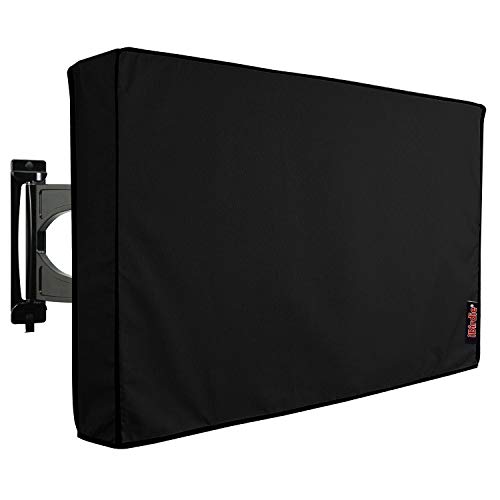
A practical TV cover should shield the set from dust and incidental contact without pressing against the screen. For a homemade cover, measure the television first, choose a clean, soft material, and make the covering large enough to sit loosely over the screen and cabinet. For moving or renovation protection, the listed U-Haul Anti-Static TV Cover offers a ready-made alternative: its product information gives dimensions of 70 by 42 inches, says it fits flat-screen TVs up to 70 inches, and describes an open bottom that slips over the top.
Decide What the Cover Needs to Protect Against
Start with the setting. A television left in a room during light household work needs protection from airborne dust and loose debris, while a set being moved may also encounter contact with surrounding items. A cover is not the same as a padded shipping carton, and a thin dust cover should not be treated as a substitute for secure packaging. Choose a solution based on the actual risks rather than assuming one piece of fabric handles every situation.
For a television that is staying in place, a reusable cover can be as simple as a clean, generously sized piece of soft fabric arranged loosely over the set. Avoid tight elastic, drawstrings, clips, or anything else that could pull against the panel or press into the bezel. A loose shape is easier to remove and less likely to transfer pressure to the screen. Keep the cover clear of vents and do not operate the television while it is covered.
Moving and storage call for a more deliberate plan. A cover can help keep dust and debris away, but it does not establish that the television is protected from drops, crushing, or impact. Follow the television manufacturer’s handling and packing guidance, and use appropriate assistance for a large or heavy set. If the original packaging is available, consult its instructions rather than improvising a transport method that could put force on the panel.
Measure the Television Before Cutting Fabric
Measure the television’s outside width and height, including the bezel and any attached parts that will remain on the set while covered. Note whether the stand is installed, because it can change the overall shape and the amount of material needed. A diagonal screen-size label is not a substitute for these measurements: it describes the screen diagonally, not the full outside dimensions of the television. Write down the measurements and use them to estimate the finished cover’s width and depth.
Leave extra room so the material can drape without being stretched over corners. A tight cover may drag across the screen during fitting or removal, and a snug edge can pull on the television. The goal is a loose enclosure, not a fitted skin. If you plan to sew a sleeve, account for the seams and the way the fabric will sit around the television before you cut it.
Check the cover’s length as well as its width. A top-down sleeve needs enough material to pass over the top and hang down the sides, while the bottom can remain open for easier placement. Measure the path the fabric must travel over the television rather than relying only on the front face dimensions. If the set has an unusual profile or a stand that remains attached, a simple draped cover may be easier to fit than a tailored one.
Choose Material and Make a Simple Cover
Use clean material that is soft and in good condition. A fabric cover intended for dust protection should not shed fibers or have hard decorations, rough seams, or exposed fasteners near the screen. Check the fabric for dirt, grit, and moisture before it touches the television. If the material is damp or has been stored in a dusty place, clean and dry it before use.
For a basic homemade version, lay the material out on a clean surface and compare its dimensions with the measurements you recorded. If sewing a sleeve, plan the seams so they sit away from the display face and leave enough width for the cover to slide over the cabinet without force. Finish the edges so loose threads do not brush the screen. Try the cover over the television slowly, keeping the fabric supported so it does not fall or scrape across the panel.
A no-sew drape can work for short-term dust protection when the television is stationary. Arrange the material over the top and sides, leaving it loose and easy to lift away. Do not pin, tape, or fasten material directly to the television. Adhesives and fasteners can leave residue or create pressure points, and securing the cover to nearby furniture can pull it against the set.
Before leaving the cover in place, check that it is not blocking ventilation openings or pressing on cables and connectors. Make sure the material cannot slide into a walkway or become caught on nearby objects. A cover should remain easy to remove without tugging the television. If it takes force to fit or remove, revise the size or shape rather than pulling harder.
When a Ready-Made Cover Makes More Sense
A purpose-made cover can save the work of measuring, cutting, and sewing. The U-Haul Anti-Static TV Cover is listed as a 70 by 42 inch cover for flat-screen televisions up to 70 inches. Its product description says it is intended to help protect a television from static electricity, dust, and debris during moving, storage, or home renovation. It also describes an open bottom that allows the cover to slip over the top of the television.
Those listed details provide a starting point, not a guarantee that the cover will suit every set within the stated screen-size range. Compare the television’s overall width and height with the cover dimensions, and account for its shape and any attached stand. A television can be smaller than the maximum diagonal size yet have an exterior shape that makes a particular cover awkward. Check the fit without forcing the cover against the panel.
The product is described as 2 mil thick, but the supplied information does not specify impact protection or establish that it replaces protective packaging. Treat it as a cover for the purposes named in its description, not as a padded case. Buyers moving a television should separately consider how the television will be supported and protected during transport, following the manufacturer’s guidance for that set.
Product information also gives a rating of 4.9 out of 5 alongside a review count of zero. With no reviews listed, that rating does not provide a meaningful base of customer feedback. Rely on the stated dimensions and intended uses when assessing whether this option suits the job. If the television’s measurements are outside the listed dimensions, a homemade cover sized to the set may be a more practical dust barrier.
Fit the Cover Without Rubbing or Trapping Dust
Before covering the television, make sure it is switched off and has cooled according to the manufacturer’s guidance. Remove loose dust from the surrounding area so the cover does not sweep grit across the display. Handle the material by its edges and lower it into place gradually. If the fabric catches on a corner, lift it clear and reposition it rather than dragging it across the front.
Do not press the fabric into the screen to smooth wrinkles. Even soft material can carry particles, and direct pressure is unnecessary for a dust cover. Let the fabric hang naturally instead. If the cover is too small to sit this way, use a larger piece or another option rather than stretching it tight.
For storage, choose a dry location and follow the television manufacturer’s storage instructions. Avoid leaving a cover in place if moisture, condensation, or heat could build up around the set. The supplied product details do not specify that the cover is waterproof, padded, or suitable for every storage environment. Do not infer those capabilities from its stated purpose as a protective cover.
During renovation work, check the cover periodically. If dust has collected on its outer surface, remove it carefully so debris does not fall onto the screen. Do not shake a dusty cover over the television. Clean the cover away from the set, let it dry fully if washed, and only then put it back on.
Common DIY Cover Problems to Avoid
A cover that is too tight is one of the easiest problems to prevent. Tight fabric can scrape the display during installation and can put unwanted pressure on the television’s edges. A cover that is much too loose can slip off or catch on nearby items. Adjust the dimensions until it stays in place through its shape, without needing a forceful closure or contact with the screen.
Rough fabric, dusty cloth, and decorative details can also undermine the purpose of a cover. Inspect both sides before use, particularly the side that will face the screen. Remove hard objects from pockets and avoid zippers or fasteners that might touch the cabinet or panel. If the material feels scratchy or has visible dirt, choose another clean option.
Another mistake is treating a dust cover as a transport cushion. The listed U-Haul cover description emphasizes protection from static electricity, dust, and debris, but the supplied details do not describe padding or impact protection. A cover alone should not be assumed to protect against a fall or a heavy object pressing on the television. Follow the set’s packing instructions and use a suitable transport arrangement.
Also avoid leaving any cover on while the television is in use. Covering a running set can obstruct airflow and may interfere with normal operation. Remove the cover completely before turning the television on, and keep it away from vents while stored. If the manufacturer gives more specific care or storage instructions, follow those instructions.
Choose a Cover Based on the Job
For a television that stays in one place during a dusty project, a clean, loose homemade fabric cover can be a straightforward solution. Measure first, keep the screen free of pressure, and make the cover easy to lift off. For a move or storage period, a ready-made cover may offer a simpler way to shield the set from dust and debris, provided its dimensions suit the television. Neither option should be confused with impact-resistant packing.
Choose the U-Haul cover if the stated 70 by 42 inch dimensions and open-bottom design appear suitable after you check the television’s actual exterior measurements. Choose a homemade version when you need a different shape or size, or when you want a reusable dust cover for a set that remains stationary. The product information does not establish compatibility with every television below the stated diagonal limit, so measure rather than relying on diagonal size alone.
A cover is a small part of protecting a display, but sensible fitting matters. Keep the material clean, dry, loose, and away from ventilation openings, and remove it before using the television. For a move, follow the manufacturer’s handling and packing guidance rather than expecting a thin cover to absorb impact. That approach helps match the cover to its intended role without overstating what either a homemade fabric sleeve or the listed product can do.



Write Your Review
No reviews yet. Be the first to share your experience!