
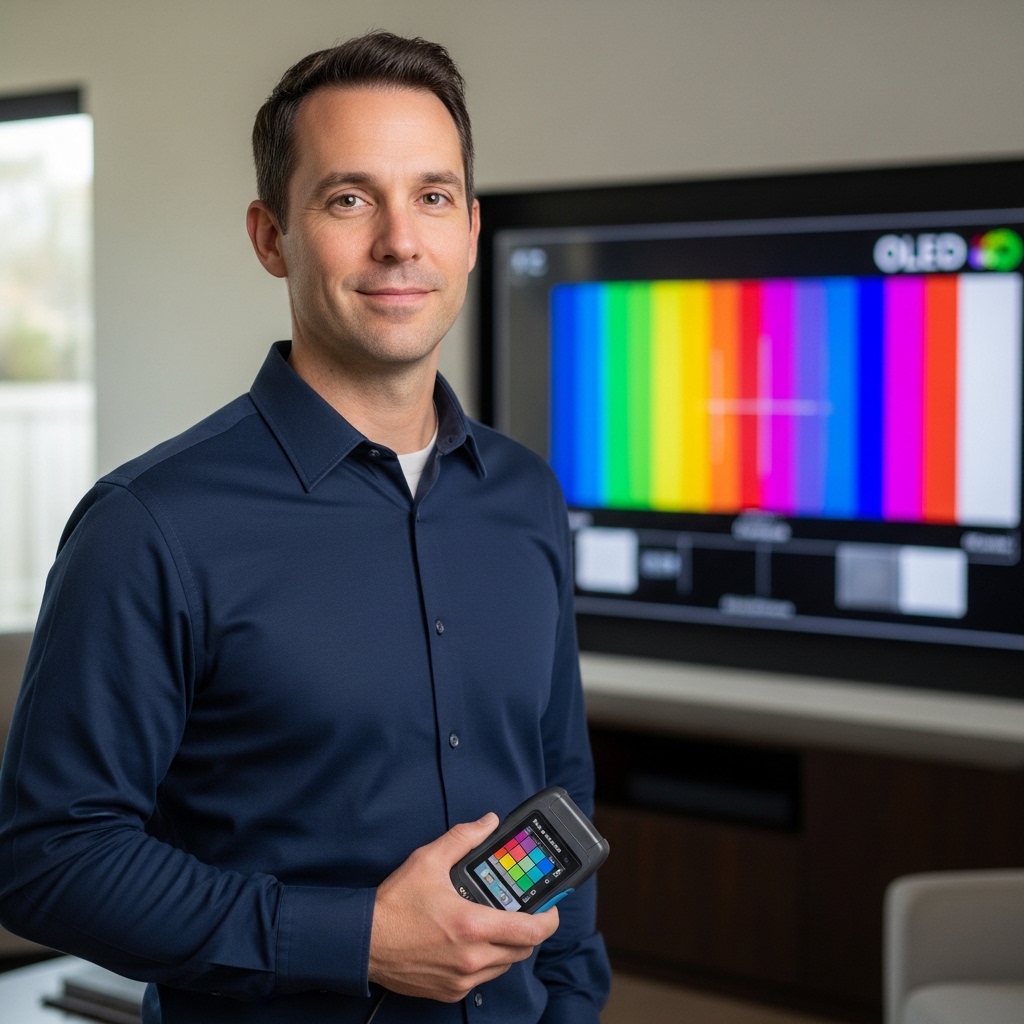

Many viewers invest in modern high-resolution displays expecting instant ultra-high-definition clarity on regular television networks, only to discover standard cable and satellite feeds look fuzzy or compressed. Understanding what tv programs are broadcast in 4k reveals a significant divide between traditional linear channel production and modern video delivery. While sports leagues and major live events occasionally receive special ultra-high-definition treatment, day-to-day linear television still relies heavily on older 720p and 1080i infrastructure. Viewers looking to capture true high-definition signals over the air often pair their setup with over-the-air HDTV antennas to receive uncompressed local channel broadcasts without third-party cable compression.
Broadcasters face massive bandwidth constraints and infrastructure expenses when attempting native ultra-high-definition transmissions across legacy cable channels. Because of these distribution hurdles, the bulk of true high-resolution programming has migrated directly to internet-connected applications and specialized media hubs. Anyone evaluating dedicated streaming 4K televisions or external streaming dongles quickly notices that on-demand series, prestige dramas, and select live events offer far higher dynamic range than standard cable packages. Navigating these various distribution formats makes it easier to set realistic expectations and ensure your home setup displays pristine picture quality whenever enhanced feeds become available.

The Reality of 4K Television Broadcasting and Live Content
Around-the-clock 4K broadcast television channels do not exist across traditional cable and satellite packages in North America. Routine daily programming such as morning talk shows, evening news, soap operas, and primetime sitcoms airs in legacy 720p or 1080i resolution. Major broadcast networks continue relying on infrastructure designed during the initial digital transition decades ago, which means daily television is not transmitted in native ultra-high definition over linear channels. True 4K video is reserved for marquee live sporting events, special national ceremonies, and dedicated on-demand streaming catalogs.
Upgrading the entire broadcast pipeline requires massive capital investments in 4K studio cameras, production switchers, routing systems, and satellite transponder capacity. Coaxial cable operators also face physical bandwidth constraints, as an uncompressed 4K video stream consumes significant spectrum that could otherwise carry multiple standard high-definition channels. Because the financial return on upgrading daytime programming is minimal, networks prioritize their high-resolution bandwidth for marquee productions that attract millions of simultaneous viewers. Understanding this technical reality helps viewers realize that their display is rarely at fault when regular daytime television appears somewhat soft.
Live Sports Events and Special Broadcasts in Ultra High Definition
Live athletic competitions represent the single largest category of television programs broadcast in enhanced resolution. Networks like FOX Sports, NBC Sports, and ESPN routinely deploy specialized production trucks to deliver major football games, postseason baseball, basketball tournaments, and soccer matches in enhanced formats. During these live telecasts, viewers can observe distinct blades of turf, crisp jersey lettering, and refined crowd details that get lost in standard high-definition compression. However, these broadcasts remain event-driven rather than continuous, meaning viewers must track weekly schedules to catch games in enhanced resolution.
A crucial technical distinction exists between native 4K captures and productions captured in 1080p with High Dynamic Range (HDR) that are upscaled for broadcast. Many network operations capture field action in 1080p at 60 frames per second using wide color gamuts and HDR10 or Hybrid Log-Gamma (HLG), then convert the signal to 3840×2160 pixels for final distribution. This production strategy preserves fluid motion handling during fast camera pans while delivering vibrant stadium lighting and specular highlights. Viewers watching on Mini-LED displays for live sports benefit noticeably from the expanded contrast and brightness of these HDR feeds compared to standard SDR feeds.
Special cultural and entertainment events also receive occasional 4K broadcast treatment alongside live athletic tournaments. Major network spectacles like national holiday parades, political conventions, award ceremonies, and international sports tournaments have all been transmitted via specialized high-resolution channels. Accessing these marquee broadcasts typically requires subscribing to specific tier packages or authenticating through official network applications. Because these events occur only a few times per year, they serve as showcase presentations rather than permanent fixtures on standard program guides.
Linear Broadcast Limitations Versus On-Demand Streaming Quality
Scripted narrative programming presents a stark contrast between traditional linear television delivery and modern streaming platforms. Popular primetime dramas, procedural crime shows, and fantasy epics are produced and mastered with high-end digital cinema cameras capable of capturing native 4K resolution and high dynamic range. Yet when those exact same episodes air on linear network television, they are downscaled to 720p or 1080i to fit legacy transmission bandwidth. As a result, watching an episode during its initial broadcast slot yields a noticeably lower visual quality than viewing it later through an internet-connected service.
Streaming platforms bypass linear bandwidth bottlenecks by employing modern compression codecs such as HEVC and AV1 over high-speed broadband connections. These advanced encoding formats pack dense pixel data, wide color gamuts, and dynamic metadata formats like Dolby Vision into efficient data packets without degrading image stability. Traditional cable systems remain tied to older MPEG-2 or legacy MPEG-4 codecs that introduce blocky compression artifacts during complex scenes. Viewers who prioritize visual fidelity for scripted episodic television achieve far superior results by streaming episodes on demand rather than watching linear broadcasts.
Internet-based live television services also bridge the gap between traditional channel surfing and modern high-resolution distribution. Subscription platforms like YouTube TV and Fubo offer dedicated add-on tiers that carry special live 4K feeds directly from sports networks. These cloud-based services deliver high-bitrate live feeds directly over home broadband networks, eliminating the need for specialized coaxial cables or bulky satellite dishes. While these services still rely on networks to produce the underlying event in 4K, they simplify access for cord-cutters seeking live event clarity.
Over-the-Air Transmission and the Progress of NextGen TV (ATSC 3.0)
Terrestrial antenna viewers have followed the development of NextGen TV, technically known as the ATSC 3.0 broadcast standard. This advanced over-the-air transmission system replaces the older ATSC 1.0 standard with an Internet Protocol foundation capable of transmitting ultra-high-definition signals. NextGen TV was engineered to support native 4K resolution, High Dynamic Range, immersive object-based audio, and enhanced indoor signal reception. In markets where ATSC 3.0 signals are active, local television stations possess the technical capability to transmit free over-the-air broadcasts with superior visual fidelity.
In current real-world deployments, the majority of local stations broadcasting over ATSC 3.0 deliver their feeds in 1080p resolution rather than native 4K. Multiple local network affiliates frequently share a single broadcast tower and transmitter, dividing available frequency bandwidth among several simultaneous programming streams. Even when transmitting in 1080p, these feeds utilize efficient HEVC encoding and often include HDR metadata, delivering a visible upgrade over legacy broadcast feeds. Installing quality indoor antennas for local stations allows viewers to capture these uncompressed digital signals without monthly subscription costs.
The widespread expansion of native 4K over-the-air programming faces additional friction from digital rights management encryption. Several major broadcast groups have enabled encryption protocols on their NextGen TV channels to protect copyrighted content, which has caused playback issues with certain third-party tuners and recording hardware. Hardware manufacturers and regulatory bodies continue to refine compatibility guidelines, but these security measures have slowed the pace of consumer adoption. While broadcast encryption rules continue to evolve across regional markets, uncompressed over-the-air signals still provide superior contrast and color purity over heavily compressed cable retransmissions.
Cable and Satellite Provider Dedicated 4K Event Channels
Traditional pay-television providers accommodate sporadic high-resolution broadcasts through dedicated event channels rather than permanent network programming. Satellite providers like DirecTV and Dish Network maintain designated 4K channel numbers that remain largely inactive during regular broadcast hours. When a partner network produces a live football game, golf championship, or racing event, the provider activates the channel to carry the live feed directly to authorized subscribers. Subscribers must actively consult their electronic program guide during major events, as these channels remain silent when no live production is underway.
Cable operators like Comcast Xfinity utilize a hybrid distribution architecture to deliver live ultra-high-definition events to home subscribers. Instead of dedicating fixed coaxial channel slots, modern cable boxes leverage internet protocol television (IPTV) tunnels to deliver high-resolution feeds on demand. Subscribers using voice remotes can speak an event title, and the set-top box automatically routes the stream through high-speed broadband channels rather than legacy cable frequencies. Accessing these dedicated provider feeds typically requires newer set-top boxes capable of negotiating modern HDCP copy protection handshakes.
Understanding the hardware requirements of these dedicated provider channels prevents unnecessary installation headaches. Older set-top boxes and legacy coaxial splitters cannot decode modern HEVC compression or negotiate HDCP 2.2 copy protection handshakes. Subscribers must ensure their account includes compatible 4K receiver equipment and that their television is connected to an appropriate high-bandwidth port. Reviewing provider schedules ahead of time helps viewers identify upcoming live sports broadcasts scheduled for dedicated event channels.
Image Processing and Video Upscaling for Standard Broadcasts
Because native 4K linear broadcasts remain limited, the internal video processing engine of your television plays an essential role in daily viewing. A 4K display features a native grid of 3840 by 2160 pixels, totaling over eight million individual picture elements on the screen. When receiving a standard 720p or 1080i cable broadcast containing between one and two million pixels, the television processor must scale and reconstruct the image to fill the entire panel. A well-engineered upscaler interpolates missing pixels smoothly, ensuring that fine lines and text overlays remain sharp without introducing ringing halos.
Advanced image processing chipsets use machine learning algorithms and texture databases to intelligently reconstruct lost details. These processors analyze incoming video frames in real time, differentiating natural film grain and stadium textures from digital compression noise and mosquito artifacts. By applying spatial noise reduction, edge enhancement, and color gradient smoothing, capable processors make compressed cable feeds appear noticeably sharper and cleaner. Televisions equipped with entry-level processing hardware often struggle with aggressive cable compression, resulting in softer images and noticeable macroblocking during high-motion sports broadcasts.
Proper de-interlacing represents another critical technical task when processing routine television programming. Major networks such as CBS and NBC broadcast their signals in 1080i, which transmits alternating odd and even horizontal lines sixty times per second. The television processing engine must weave these alternating fields into complete progressive frames without introducing jagged edges or combing artifacts on moving subjects. Premium processors execute motion-adaptive de-interlacing that preserves clean edges on news tickers and rapid sports action, ensuring legacy broadcasts look stable on modern high-resolution screens.
Hardware Connectivity and Streaming Device Integration
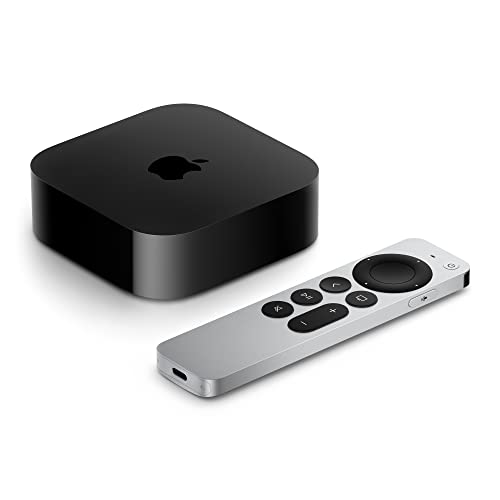
Integrating an external media adapter simplifies access to live 4K sports feeds and comprehensive streaming libraries across multiple service providers. Adding a device like the Chromecast with Google TV (4K) gives viewers access to live broadcast network applications, subscription streaming platforms, and live television services in one unified interface. The device plugs directly into an HDMI input and supports Google Assistant voice search, making it simple to locate live sporting events or specific shows without navigating complex channel guides. Its compact design allows it to install discreetly behind wall-mounted displays or entertainment consoles.
Maintaining proper hardware connectivity is essential for establishing stable 4K video feeds and high dynamic range handshakes. The display HDMI input, audio video receiver, and streaming adapter must all support High-bandwidth Digital Content Protection (HDCP 2.2 or HDCP 2.3). Connecting hardware with legacy HDMI cables lacking sufficient bandwidth can result in intermittent signal dropouts, flashing black screens, or automatic downscaling to standard high definition. Certified Premium High Speed or Ultra High Speed HDMI cables ensure uninterrupted bandwidth transmission for 4K video accompanied by HDR metadata and multi-channel audio.
Network stability represents another vital factor when streaming live ultra-high-definition programming. Unlike traditional broadcast television that arrives over fixed coaxial lines, live internet feeds require consistent download speeds to avoid buffering wheels and sudden resolution drops. Streaming live 4K feeds typically demands consistent network download speeds of at least twenty-five megabits per second to avoid buffering delays. Connecting streaming hardware over stable 5GHz Wi-Fi networks or wired Ethernet adapters ensures smooth streaming performance during critical game-winning moments and high-traffic live events.
Calibrating Display Settings for Optimal Broadcast Playback
Adjusting picture presets and motion settings transforms how both native 4K events and upscaled broadcasts appear on your screen. Most modern displays arrive from the factory with motion smoothing features enabled under marketing names like TruMotion, Auto Motion Plus, or Motionflow. While motion interpolation aims to reduce blur, excessive processing creates an unnatural soap opera effect and generates visual tearing around fast-moving sports equipment. Reducing de-judder and de-blur sliders to low levels eliminates jarring frame stutter while preserving natural motion cadence during fast athletic competition.
Picture mode selection also influences color fidelity and contrast balance when watching live television broadcasts. Factory standard and sports modes tend to over-sharpen images and push color temperatures toward an exaggerated cool blue tint that strains the eyes. Selecting accurate picture modes such as Filmmaker Mode, Cinema, or Movie establishes warm, natural color temperatures and accurate shadow detail that reflect broadcast production standards. When viewing high dynamic range sports telecasts, setting dynamic tone mapping correctly ensures bright stadium spotlights sparkle without clipping subtle highlight details.
Practicing mindful screen management helps protect display longevity when viewing regular broadcast television over extended periods. Linear news networks and sports telecasts feature persistent visual elements like scrolling news tickers, network logos, and fixed scoreboards that remain static for hours. Modern displays include automated preservation features such as logo luminance reduction, pixel shift, and screen savers to minimize image retention risks. Keeping these protective settings active ensures that marathon sports viewing sessions do not compromise panel uniformity over years of daily ownership.
Key Takeaways for Finding and Watching 4K Programming
Discovering what television programs are available in ultra-high definition requires distinguishing between legacy linear cable channels and modern digital distribution. While daily linear programming like local news, game shows, and daytime serials remains fixed in 720p and 1080i, live sports telecasts frequently receive premium 4K HDR treatment on dedicated provider channels. Viewers seeking high-resolution scripted dramas, comedy series, and nature documentaries achieve the most reliable results by utilizing dedicated streaming applications rather than waiting for linear cable airings. Recognizing these distribution channels eliminates confusion and sets realistic expectations for everyday viewing.
Equipping your entertainment center with capable image processing and dependable streaming hardware ensures you enjoy superior picture quality regardless of the incoming broadcast resolution. High-performance video processors elevate standard broadcast feeds with intelligent upscaling and clean noise reduction, while modern streaming devices grant rapid access to live sports feeds and high-bitrate streaming libraries. By pairing a quality display with proper picture settings and certified high-bandwidth connections, you can maximize your television visual capabilities across every sporting event, broadcast series, and live special.





Write Your Review
No reviews yet. Be the first to share your experience!