
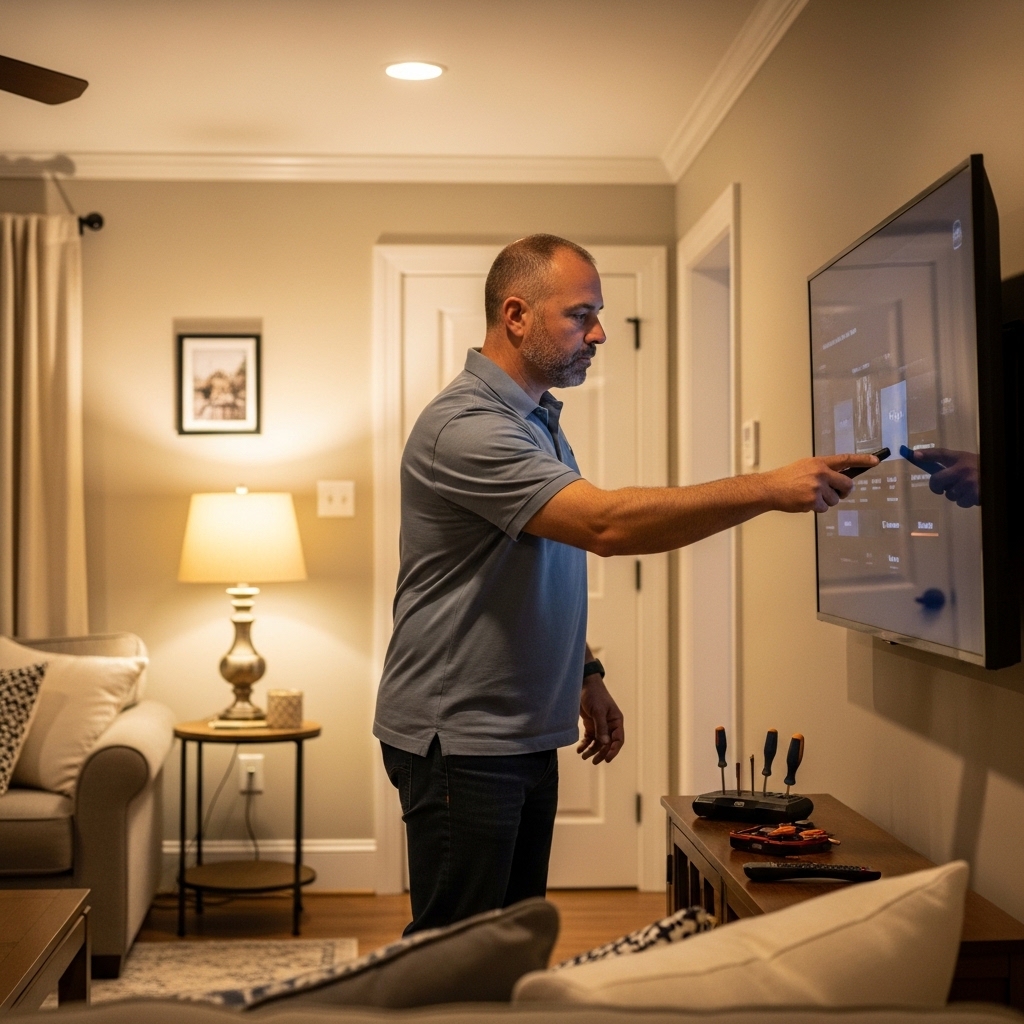

Upgrading home entertainment setups often brings confusion when determining whether a screen actually renders Ultra High Definition signals or simply accepts downscaled feeds. Many viewers ask whether their television can handle native 3840 by 2160 pixels, especially when switching between older cable boxes, gaming consoles, and streaming services. Determining whether can my tv play 4k involves checking physical display panels, port bandwidth standards, and playback source capabilities. Many households upgrading from older 1080p sets to modern streaming televisions encounter mixed signals because standard factory menus do not always display real-time rendering statistics clearly.
A television might display a recognizable picture, but that does not necessarily confirm that the image is playing in genuine Ultra HD resolution. Content pipelines require every component, from the media file and HDMI cable to the physical panel matrix, to maintain full signal integrity without bandwidth chokepoints. Distinguishing native Ultra HD output from standard upscaled high definition prevents buyers from missing out on genuine dynamic range and fine texture detail. Understanding these core hardware prerequisites ensures you configure your video inputs correctly and achieve the clearest possible visual presentation.

Pros
- Instant on-demand access through Prime Video on major smart TV operating systems
- Renders cleanly on 4K resolution screens with natural colors and balanced contrast
- Compatible with voice search via Alexa and Google Assistant remotes
- Effortless integration with home theater soundbars and AV receivers using HDMI eARC
- Great streaming entertainment option for family movie night or casual viewing
Cons
- Streaming quality depends on local home Wi-Fi bandwidth and internet stability
- Built-in TV speakers on budget screens may lack deep bass impact without a soundbar
- Lacks physical disc audio bitrates for dedicated high-end surround sound enthusiasts
Don't Push Me is a digital Video on Demand home entertainment release distributed through Prime Video, designed for seamless streaming across modern 4K smart TVs, OLED displays, and living room media setups. Tailored for movie lovers, cord-cutters, streamers, apartment renters, and home theater enthusiasts, this title offers an accessible entertainment choice for family movie nights or casual weekend viewing. Viewers can easily stream it across diverse environments, ranging from compact bedroom LED TVs to expansive basement home theater configurations, without dealing with physical media discs or complicated hardware.
Visual presentation is an essential consideration for any movie watching experience, and this title adapts well across various display technologies. On an OLED panel or Mini-LED television with full array local dimming, black levels remain deep and uniform, providing satisfying contrast ratio performance in darkened rooms without blooming around highlights. Standard LED panel and edge-lit screens deliver ample brightness to combat daytime glare in sunlit living rooms, while wide viewing angles ensure family members seated off-center enjoy consistent color accuracy. For displays equipped with HDR support, including HDR10+ and Dolby Vision, color volume and specular highlights gain subtle enhancement, while intelligent TV processors provide reliable upscaling quality and judder reduction for smooth motion handling.
Smart platform responsiveness plays a significant role in modern viewing comfort. Whether accessing the title through Fire TV, Roku TV, Google TV, webOS, or Tizen, app loading speed remains prompt and navigation feels intuitive. Voice control compatibility with Alexa or Google Assistant allows viewers to search, pause, and play content hands-free using the included remote control. While casual movie streaming does not demand gaming features like a 120Hz refresh rate, VRR support, ALLM, or ultra-low input lag, having high-speed HDMI 2.1 connectivity ensures stable signal routing from streaming boxes and gaming consoles. Built-in TV speakers handle standard dialogue clarity adequately, but connecting a soundbar via HDMI eARC dramatically elevates bass response and overall sound quality.
Build quality and display integration remain straightforward when streaming digital content. The title displays cleanly whether your television rests on a stable tabletop stand or hangs flush on a wall using a standard VESA mount. Sleek, thin bezel designs help draw attention directly into the picture, maximizing screen size engagement during late-night viewing. For clean aesthetic appeal, utilizing built-in cable management channels behind the TV stand keeps power cords and HDMI cables hidden. Dual-band Wi-Fi connectivity and Bluetooth headphone pairing provide flexible viewing options, allowing late-night streamers to enjoy movie sessions without disturbing sleeping family members.
A few realistic limitations should be considered before streaming. Because streaming performance relies on internet bandwidth, network congestion during peak hours can occasionally affect streaming resolution compared to uncompressed physical media. In addition, built-in speakers on thin televisions often lack the low-end punch needed for cinematic climaxes, making an external soundbar or home theater audio system a worthwhile addition. For homeowners, apartment renters, and movie enthusiasts seeking convenient on-demand streaming for movie night with the family, Don't Push Me on Prime Video delivers reliable entertainment value across today's best smart TV screens.
Movie lovers looking for an engaging home viewing session will appreciate how smoothly this Prime Video title performs across varied screen sizes. From intimate bedroom television setups to large living room displays, the video stream maintains clean picture stability and balanced color reproduction. Dimming the living room lights highlights the contrast ratio on displays with local dimming or OLED panels, creating an immersive cinematic atmosphere for solo viewing or movie night with the family.
Dialogue clarity is balanced well for standard viewing, ensuring conversations remain intelligible even during busier scenes. Viewers pairing their television with a dedicated stereo soundbar or multi-channel surround sound system will enjoy richer audio separation, making home theater movie sessions feel much more expansive.
Navigating to this title is effortless across major smart TV platforms, including Fire TV, Roku TV, Google TV, Samsung Tizen, and LG webOS. The Prime Video application delivers fast load times, responsive playback controls, and seamless resume functionality across multiple home devices.
Voice assistant integration makes controlling your movie session simple. Using voice control on compatible remotes with built-in Alexa or Google Assistant allows users to search titles, adjust volume, or pause playback without navigating through complex on-screen menus.
Setting up your viewing space for this stream requires minimal effort. Whether your TV is positioned on an entertainment console or mounted cleanly to the wall using a standard VESA mount bracket, optimizing your seating distance ensures the best viewing angles and immersion.
To achieve the best audio and visual results, connect your streaming device or smart TV to an audio system using an HDMI 2.1 cable supporting eARC. This setup guarantees uncompressed audio delivery directly to your soundbar or AV receiver while keeping cable clutter neatly organized.

Pros
- Effortless on-demand streaming across major smart TV platforms such as Fire TV, Roku TV, and Google TV
- Clean narration and dialogue clarity that projects well through TV built-in speakers or external soundbars
- Engaging historical presentation that scales nicely onto modern 4K LED, QLED, and OLED displays
- Great high-value content selection for cord-cutters, history buffs, and movie lovers building a home streaming library
Cons
- Archival historical footage varies in source quality, which may challenge TV processor upscaling compared to native 4K HDR productions
- Standard stereo audio mix does not fully leverage multi-channel Dolby Atmos surround sound systems
- Documentary format offers no high frame rate or VRR gaming benefits for console gaming enthusiasts
The Last Day Of World War I is a digital home entertainment streaming presentation on Prime Video engineered for convenient playback across modern smart TVs, 4K displays, and living room media setups. Based on product specifications and user feedback, this title represents an accessible, high-value choice for cord-cutters, movie lovers, and history documentary enthusiasts looking to expand their digital entertainment catalog. Whether set up for an apartment living room, a cozy bedroom TV, or an elaborate basement home theater, this release offers American homeowners and streamers an informative viewing experience without requiring physical media discs or dedicated player hardware.
Visual performance relies heavily on how modern display panels handle diverse source materials. When streamed on a 4K TV or high-end OLED display, archival black-and-white segments benefit from deep black levels and precise contrast ratios, while remastered color segments display natural color accuracy and balanced brightness. Viewers watching on LED or QLED panels with full array local dimming will notice good shadow detail during historical reenactments, although standard dynamic range (SDR) presentation means peak brightness and wide color volume will not push the extremes seen in native Dolby Vision or HDR10+ theatrical blockbusters. On larger displays, modern TV processor upscaling works reliably to smooth out century-old archival clips, while motion handling and judder reduction ensure smooth panning shots across historical photographs and battle maps without distracting artifacts.
From an operational standpoint, streaming this title highlights the responsiveness of contemporary smart TV operating systems. Navigation is swift across platforms such as Fire TV, Roku TV, Google TV, webOS, and Tizen, where app loading speeds remain rapid and voice search commands through Alexa or Google Assistant find the title instantly. While this documentary is designed for relaxed viewing rather than testing gaming features like 120Hz refresh rates, variable refresh rate (VRR), auto low latency mode (ALLM), or HDMI 2.1 bandwidth, gamers can easily switch between high-intensity gaming sessions and informative streaming without tweaking display profiles. Sound performance centers around dialogue clarity, delivering crisp narration through standard built-in TV speakers, though connecting a soundbar via HDMI eARC or optical audio adds welcome depth and low-end bass response to battlefield sound effects and musical scoring.
Integrating this streaming stream into your home entertainment setup is straightforward regardless of panel technology or mounting preferences. Whether your living room features an ultra-thin OLED panel on a low-profile VESA wall mount or an edge-lit LED TV positioned on a wide entertainment stand, streaming operates smoothly over standard Wi-Fi connectivity. The clean design of modern television bezels keeps attention focused directly on the historical footage, while cable management channels built into TV stands help maintain an uncluttered aesthetic. Viewers using modern smart remotes can effortlessly control playback, pause for discussion during family viewing, or route audio privately to Bluetooth headphones for late-night bedroom viewing without disturbing others.
A realistic limitation stems from the century-old source material, where vintage film grain and softer standard-definition archival clips may expose the limits of budget TV upscaling processors or edge-lit backlights prone to slight blooming. Furthermore, viewers expecting a bombastic multi-channel Dolby Atmos soundscape will find the audio mix prioritize clear dialogue over room-shaking surround effects. Nevertheless, for homeowners, apartment dwellers, and cord-cutters searching for thoughtful, educational entertainment on Prime Video, The Last Day Of World War I provides a compelling, dependable streaming experience that complements any modern 4K smart TV or home theater setup.
Displaying historical documentaries demands robust processing, especially when rendering century-old archival clips alongside modern narrative interviews. On 4K resolution televisions, onboard picture processors work diligently to clean up film artifacts, balance contrast, and maintain natural skin tones during talking-head segments.
Viewers with OLED panels or Mini-LED displays with full array local dimming will appreciate how deep black levels enhance dramatic historical scenes. While the stream does not feature aggressive HDR highlights or expansive color volume like theatrical sci-fi blockbusters, color accuracy remains grounded, offering a visually authentic presentation across wide viewing angles in varied room lighting conditions.
Accessing the title is immediate across major smart TV platforms including Fire TV, Google TV, Roku TV, Samsung Tizen, and LG webOS. Fast app loading times and intuitive menu structures make locating, resuming, and bookmarking historical documentaries seamless for every member of the household.
Hands-free voice navigation using Amazon Alexa or Google Assistant provides effortless control over playback, volume, and subtitle settings. Stable dual-band Wi-Fi connectivity ensures smooth streaming without buffering interruptions, while Bluetooth pairing allows private late-night listening through wireless headphones.
Pairing your smart TV with an external soundbar or AV receiver via HDMI eARC brings historical narration to the forefront with exceptional vocal clarity. While the documentary focuses primarily on clear dialogue, subtle atmospheric battle effects and musical arrangements gain noticeable presence when routed through dedicated audio channels.
For optimal viewing comfort, mounting your flat-screen display at eye level using standard VESA wall mount brackets minimizes glare from living room windows. Integrated TV cable management keeps HDMI leads and power cords neatly tucked away, ensuring your home theater space remains tidy and immersive.

Hardware and Signal Requirements for Native 4K Playback
A television can play native 4K content only if its physical display panel contains a native resolution of 3840 by 2160 pixels and its processing hardware supports modern digital video decoding. Many older flat-screen displays can receive a high-resolution signal from an external source, but they internally downscale that video to standard 1080p or 720p. Confirming true Ultra High Definition playback requires evaluating the television model specifications, the physical HDMI input ports, the source device capabilities, and the active video settings. Understanding how each link in the video processing chain functions ensures you receive genuine pixel density rather than compressed or downsampled video feeds.
Identifying Native Panel Resolution Versus Signal Downscaling
Display manufacturers design panel grids with specific fixed pixel structures that determine the ultimate sharpness of any image. True 4K televisions, also marketed as Ultra HD or UHD, feature exactly 3,840 horizontal pixels and 2,160 vertical pixels, creating over eight million addressable points of light. In contrast, older Full HD televisions feature 1,920 horizontal pixels and 1,080 vertical pixels, which equals roughly two million pixels. You can find this native specification printed on the manufacturer label attached to the back of the television chassis or within the system information menu under device settings.
Some older high-definition televisions accept a 4K video signal from modern set-top boxes or gaming consoles without displaying an error message. When this occurs, an internal downscaler processes the high-density signal and reduces the resolution to match the physical limits of the lower-resolution screen. While the resulting picture may look slightly cleaner than standard cable feeds due to higher source bitrates, it is not native Ultra HD rendering. Checking your television user manual for the explicit phrase native 3840 by 2160 panel resolution confirms whether your hardware possesses the necessary physical pixel structure.
Inspecting HDMI Port Standards and HDCP Copy Protection
Physical video connections between external media players and televisions rely on standardized HDMI interface revisions that dictate available transmission bandwidth. Older HDMI 1.4 ports cap Ultra HD video transmission at thirty frames per second, which produces choppy motion during high-action movies or sports broadcasts. Modern 4K playback at sixty frames per second requires at least an HDMI 2.0 port capable of eighteen gigabits per second, while advanced gaming consoles demand HDMI 2.1 inputs with up to forty-eight gigabits per second. Inspecting the stamped text near each rear HDMI terminal helps you identify which specific port delivers full bandwidth.
Digital copy protection protocols operate alongside port bandwidth to prevent unauthorized recording of commercial digital media. Commercial streaming platforms enforce High-bandwidth Digital Content Protection, specifically HDCP version 2.2 or higher, on all incoming 4K video feeds. If an external media player connects to an older television port that only supports HDCP 1.4, the platform will automatically downgrade the stream to 1080p resolution or display a blank screen. Confirming that your television supports HDCP 2.2 across its primary inputs ensures seamless handshakes with modern digital decoders.
External Streaming Hardware and Source Signal Capabilities
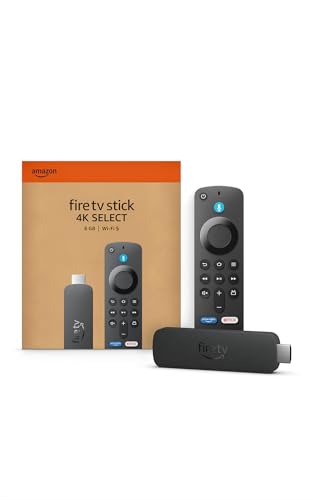
Built-in smart TV operating systems on older displays frequently lose software support and fail to update critical digital decoding codecs. Connecting a dedicated external streaming device, such as the Chromecast with Google TV (4K), bypasses sluggish legacy software while supplying dedicated processing hardware for modern video streams. This compact Google device plugs directly into an HDMI port and provides integrated voice search alongside hardware-accelerated playback for major streaming services. Utilizing external hardware with dedicated Ultra HD decoding capabilities ensures your screen receives an optimized, properly formatted video feed without stuttering or interface latency.
The quality of your media catalog also dictates whether your display presents genuine Ultra HD clarity. Digital movie releases, including independent titles or documentary presentations like The Last Day Of World War I and Don’t Push Me, depend on the specific encoding profile provided by the hosting distributor. Major subscription services frequently restrict 4K streams to premium subscription tiers, meaning standard accounts output standard high definition regardless of television capabilities. Verifying that both your streaming account tier and your individual media selection advertise Ultra HD playback ensures the hardware pipeline receives an uncompromised master file.
Display Settings and Enhanced HDMI Signal Configuration
Modern televisions frequently ship with their HDMI ports set to legacy compatibility modes by default to prevent video sync errors with vintage devices. These default modes limit input ports to older HDMI 1.4 signal handshakes, which prevents connected media devices from detecting 4K sixty-frame output. Manufacturers label the setting required to unlock full port bandwidth differently across their operating system menus. Looking through your system settings for terms such as HDMI Enhanced Format, HDMI Ultra HD Deep Color, or Input Signal Plus enables maximum data throughput across selected inputs.
Activating enhanced signal settings allows the television to communicate its true panel capabilities back to the source device through Extended Display Identification Data. Once this handshake occurs, connected streaming sticks and gaming consoles update their output resolution automatically to native 3840 by 2160 pixels. Failing to toggle this setting remains one of the most common reasons why modern displays stay locked in standard 1080p mode. After adjusting input settings, restarting both the television and the connected source device establishes a fresh, stable digital handshake.
Verifying Real-Time Resolution with On-Screen Signal Banners
Relying on menu descriptions alone does not guarantee that active video frames are playing at native resolution. Most television remotes include an Info, Display, or Status button that triggers an on-screen metadata banner during playback. This informational overlay displays the incoming horizontal and vertical pixel count, current refresh rate, and audio encoding format. If the banner reports 3840 by 2160 at sixty hertz, the television is actively receiving and processing a true Ultra HD signal from that input.
Many popular streaming applications also offer integrated diagnostic tools that reveal exact real-time playback performance. Video platforms such as YouTube include a dedicated stats for nerds overlay that shows viewport resolution alongside the active stream resolution. It is common for an app home screen interface to render at 1080p while individual video files switch dynamically to 4K once buffering completes. Monitoring these on-screen diagnostics confirms whether your screen maintains full resolution or temporarily throttles down due to network congestion.
Distinguishing Native Resolution from High Dynamic Range Performance
Consumers often conflate high pixel density with High Dynamic Range, yet these two picture attributes govern completely different visual characteristics. Resolution refers strictly to the quantity of pixels across the panel matrix, dictating edge sharpness and fine surface textures. Dynamic range governs the contrast difference between the deepest black levels and the brightest specular highlights, alongside expanded color gamuts like DCI-P3. A television can feature a true 4K panel while lacking the peak luminance or local dimming zones needed to display impactful HDR highlights.
Budget television models frequently accept HDR10 or Dolby Vision metadata without possessing the physical backlight hardware required to deliver genuine dynamic contrast. In comparison, advanced displays such as Mini-LED screens for sports utilize dense arrays of localized dimming zones that elevate luminance without washing out dark shadows. When confirming playback capabilities, look for visual HDR confirmation badges in your picture preset menu alongside resolution numbers. A balanced visual experience requires evaluating both spatial resolution and backlight control rather than focusing solely on pixel counts.
Image Processing Engines and Upscaling Sub-4K Content
Standard broadcast cable feeds, over-the-air antennas, and DVD collections output video at 720p, 1080i, or standard definition resolutions. Because a 4K television has a fixed grid of over eight million pixels, it cannot display a two-million-pixel image without stretching or interpolating data. Internal image processing engines analyze incoming lower-resolution signals and calculate color values for intermediate pixels to fill the full display matrix. Modern processor engines use spatial sharpening, temporal noise reduction, and edge reconstruction algorithms to present legacy content cleanly without excessive blur.
Upscaling improves visual presentation on large screens, but it cannot create genuine optical detail that was absent in the original source recording. Highly compressed broadcast channels often exhibit macroblocking artifacts, color banding, and digital noise that become more noticeable when mapped across a large 4K panel. Disabling aggressive artificial sharpening filters in your picture settings prevents processing halos and unwanted ringing around thin text or objects. High-quality upscaling maintains natural skin tones and stable motion while bridging the gap between legacy broadcasts and modern panel hardware.
Screen Size, Seating Distance, and Visual Acuity Considerations
Human visual acuity sets a natural physical boundary on how much pixel density the eye can perceive from specific seating distances. At typical living room distances of nine to ten feet, the human eye struggles to distinguish individual pixels on compact displays. In smaller rooms or secondary bedrooms, viewers who choose budget 40-inch televisions may notice little perceived difference between high-bitrate 1080p and native 4K playback. The visual benefit of higher resolution becomes progressively more pronounced as screen size increases or seating distances decrease.
For screen sizes measuring fifty-five inches, sixty-five inches, and larger, 4K resolution provides immediate and dramatic improvements in picture clarity. Sitting within five to eight feet of a sixty-five-inch screen allows the viewer to take full advantage of fine hair textures, fabric weaves, and distant background details without perceiving pixel grids. Field-of-view standards published by theatrical engineering organizations recommend closer viewing distances to achieve cinematic immersion without inducing optical fatigue. Selecting an appropriate screen size for your room dimensions ensures that native Ultra HD capabilities deliver tangible aesthetic improvements.
Network Bandwidth and Cable Transmission Bottlenecks
Streaming platforms employ adaptive bitrate streaming protocols that constantly monitor incoming network stability and adjust video resolution in real time. Delivering an uncompressed or high-bitrate 4K video stream requires a consistent home internet connection speed of at least twenty to twenty-five megabits per second. If household bandwidth drops due to network congestion or weak wireless signals, streaming algorithms automatically downsample the video to 1080p or 720p to prevent playback pauses. Running an internet speed test directly on your television browser or streaming stick confirms whether your network meets minimum streaming thresholds.
Physical cable connections between your playback components represent another common point of transmission failure. Older HDMI cables lacking High Speed or Premium High Speed certification cannot maintain the eighteen gigabit per second throughput required for 4K sixty-frame signals. When bandwidth limits are exceeded, viewers experience visual artifacts such as intermittent black screens, sparkly static interference, or dropped audio tracks. Upgrading to certified Ultra High Speed HDMI cables provides reliable shielding and data bandwidth for flawless signal transfer across modern components.
Practical Troubleshooting Steps for Unsupported Video Signals
If an external playback device outputs an unsupported format, the television screen may show a No Signal or Invalid Format notification. Resolving this issue begins with safely resetting the resolution output on the source device using safe-mode startup combinations or temporary component connections. Power cycling both the television and connected peripherals clears corrupted HDMI handshake caches stored within volatile system memory. Swapping the connection to an alternative HDMI input port also helps determine whether a specific hardware connector possesses physical damage or configuration limits.
Installing the latest firmware updates from the television manufacturer resolves recurring software bugs and updates cryptographic HDCP security keys. Manufacturers regularly release over-the-air patches that improve HDMI handshake stability and expand compatibility with newly released media players. Disabling energy-saving ambient light limiters or eco-friendly standby modes can also stabilize port power delivery during initial device startup sequences. Following these diagnostic procedures systematically isolates hardware limitations from simple setting mismatches, ensuring your equipment operates at peak resolution.
Determining whether your television plays native 4K content requires verifying each link across the physical display, input ports, transmission cables, and streaming software. Taking the time to check your rear panel specifications, activate enhanced HDMI signal formats, and confirm on-screen diagnostic banners ensures your hardware renders genuine Ultra High Definition imagery. When all hardware prerequisites align, you can enjoy crisp detail, smooth frame rates, and stunning visual clarity across all your favorite entertainment sources.




Write Your Review
No reviews yet. Be the first to share your experience!