
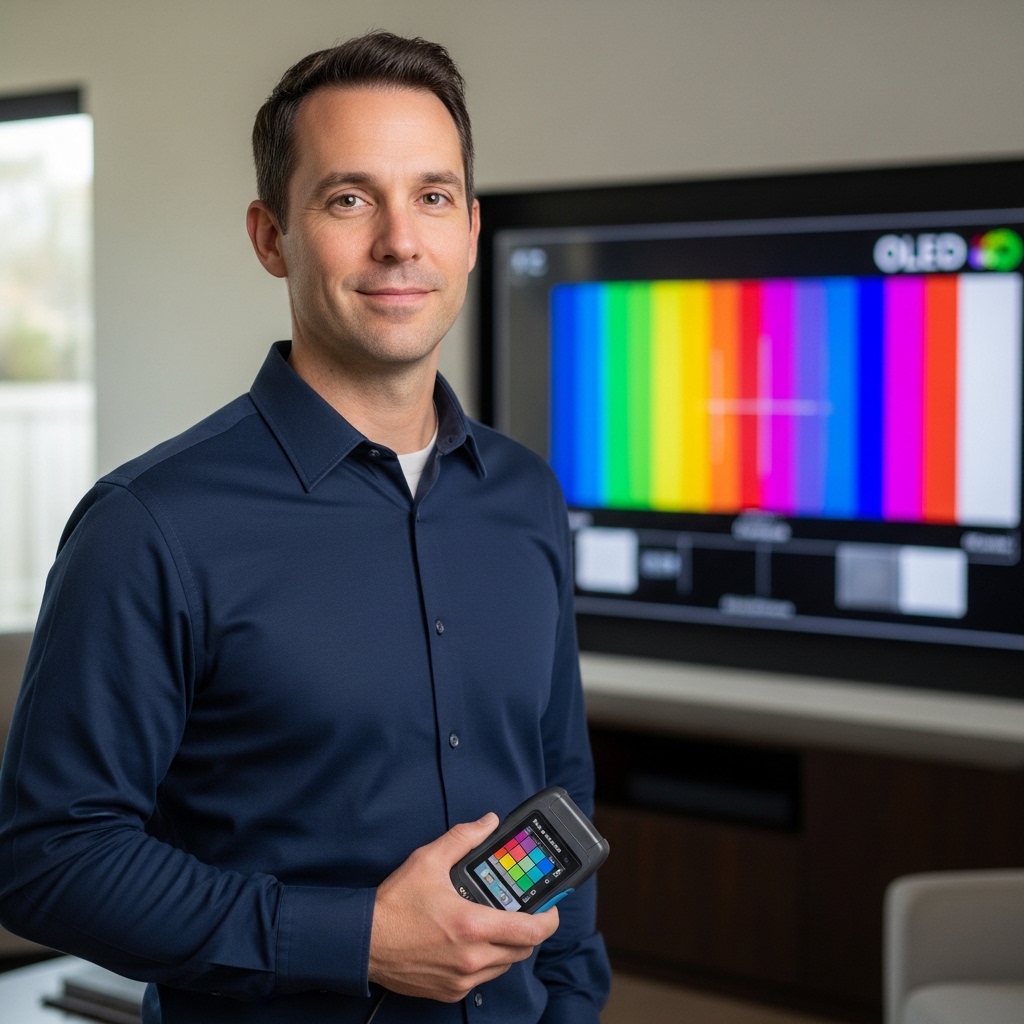

Choosing between high-end emissive displays often comes down to two distinct engineering philosophies. When deciding which oled tv is best lg or sony, buyers must weigh visual processing priorities against dedicated gaming capabilities and input bandwidth. LG continues to shape the market with versatile connectivity, responsive game modes, and proprietary OLED evo panels powered by advanced Alpha processors. Sony approaches display design from a cinematic perspective, leveraging proprietary Cognitive Processor XR hardware to prioritize image processing, natural motion, and acoustic screen integration.
Both brands deliver perfect per-pixel black levels and near-infinite contrast, yet their real-world performance splits across specific entertainment habits. Console and PC enthusiasts often favor LG for its four full-bandwidth HDMI 2.1 inputs and low input lag, which also make these panels popular as dedicated television setups for sim racing and fast-paced competitive play. Cinephiles and dark-room purists frequently lean toward Sony for subtle color gradation, high-bitrate streaming integration, and quantum-dot color volume in flagship panels. Understanding how their panel technologies, picture processing engines, and smart platforms differ ensures you select the right display for your room lighting and daily entertainment habits.

Pros
- Perfect black levels and ultra-wide viewing angles make movie watching exceptional in dark or dim rooms
- Fast 8.5ms input lag and smooth 4K 120Hz response make it double as a high-end gaming monitor
- Acoustic Surface Audio+ produces significantly clearer dialogue than standard down-firing TV speakers
- Cognitive Processor XR delivers some of the cleanest upscaling available for sub-4K cable and streaming content
- Compact 48-inch chassis fits easily into smaller living rooms, bedrooms, or dedicated gaming stations
Cons
- Peak screen brightness does not reach the high levels of modern Mini-LED sets in sunlit rooms
- Only two of the four HDMI ports support full HDMI 2.1 bandwidth, and one doubles as the eARC port
- Carries a premium price tag relative to entry-level LED televisions in the same size category
The Sony 48-Inch A90K BRAVIA XR OLED TV brings Sony's flagship display processing into a compact, versatile form factor. While many ultra-high-end OLEDs cater strictly to sprawling basement home theaters with huge diagonals, this 48-inch display is tailored for apartment dwellers, bedroom movie viewers, and dedicated gamers who want reference-grade picture quality without dominating an entire wall. Powered by the Cognitive Processor XR, it analyzes visual elements the way human eyes perceive them, maximizing realistic depth, fine detail, and smooth color gradation whether you are watching sports or streaming cinematic releases.
Contrast performance is where this screen truly shines. Because each self-lit OLED pixel can switch off completely, viewing films in a dark room yields pure, ink-like blacks with zero backlight haloing or blooming around bright subtitles. Sony's XR OLED Contrast Pro and XR Triluminos Pro work together to maintain vibrant color saturation and natural skin tones even in high-contrast HDR scenes. For movie buffs, full support for Dolby Vision, IMAX Enhanced, and Netflix Adaptive Calibrated Mode ensures films look faithful to studio mastering monitors. Standard cable broadcasts and vintage HD movies also benefit from Sony's refined database upscaling, ensuring clean edges without harsh digital noise.
Console and PC gamers will appreciate the comprehensive gaming toolset packed into this chassis. Equipped with HDMI 2.1 inputs, the TV supports 4K gaming at 120Hz, Variable Refresh Rate (VRR), and Auto Low Latency Mode (ALLM), yielding responsive controls with input lag dropping as low as 8.5ms. If you pair this set with a PlayStation 5, the TV unlocks automated synergy via Auto HDR Tone Mapping and Auto Genre Picture Switch, dialing in optimal HDR curves during initial console setup. Sony's unified Game Menu provides rapid access to black equalizer adjustments, crosshair overlays, and motion blur settings without pulling you out of the action.
Built-in audio on slim flat panels often feels thin and muffled, but Sony addresses this with Acoustic Surface Audio+ technology. Dual electromagnetic actuators vibrate the glass screen directly, projecting sound directly from the exact location where dialogue or sound effects occur on-screen. A built-in subwoofer adds meaningful low-end presence, making dialogue crisper and action sequences fuller without an immediate requirement for an external soundbar. On the software side, Google TV organizes content libraries across Prime Video, Disney+, Netflix, and Apple TV seamlessly, supported by responsive voice commands through Google Assistant and effortless casting via Apple AirPlay 2.
A few practical trade-offs are worth noting before making a purchase. While OLED technology offers unmatched contrast and wide viewing angles, its overall peak luminance cannot rival high-output Mini-LED panels, meaning it performs best in light-controlled spaces rather than living rooms flooded with midday sun. Furthermore, only two of the four HDMI ports provide full HDMI 2.1 bandwidth, and one of those doubles as your eARC audio port for a sound system. Even with those considerations, the Sony A90K stands out as a top-tier choice for enthusiasts who demand zero compromises in picture accuracy, motion clarity, and console responsiveness within a versatile 48-inch footprint.
Powered by the Cognitive Processor XR, the A90K delivers picture performance that closely mirrors reference studio monitors. Because each of the millions of individual OLED pixels emits its own light, black levels are absolute. This completely eliminates the haloing, blooming, and backlight bleed common to traditional edge-lit or full-array LED displays, making night scenes in films remarkably rich and atmospheric.
Color reproduction is handled by XR Triluminos Pro, which produces a broad color spectrum with realistic saturation and delicate skin tones. Rather than simply boosting primary colors to appear vivid, the processor enhances subtle color shifts and fine textures. High dynamic range content mastered in Dolby Vision looks strikingly balanced, with bright highlights popping cleanly against dark backgrounds without washing out shadow details.
The Sony A90K serves as a high-performance monitor alternative for PC battlestations and current-generation gaming consoles alike. With two full-bandwidth HDMI 2.1 ports, the display accepts 4K feeds at a fluid 120Hz refresh rate. Variable Refresh Rate (VRR) eliminates screen tearing during frantic gameplay, while Auto Low Latency Mode (ALLM) automatically switches the screen to game mode when a console boots up.
PlayStation 5 users benefit from exclusive BRAVIA XR optimizations. Auto HDR Tone Mapping configures the console's HDR settings instantly during setup to capture high-contrast detail in bright skies and dark tunnels. An integrated on-screen Game Menu lets players toggle motion blur reduction, adjust black levels to spot enemies lurking in dark corners, and display a persistent aiming crosshair without leaving the game.

Pros
- Inky black levels with zero light blooming around subtitles and highlights
- Outstanding picture processing and clean HD upscaling with XR Clear Image
- Dedicated gaming enhancements specifically optimized for PlayStation 5 consoles
- User-friendly Google TV operating system with Apple AirPlay 2 and Google Cast support
- Generous viewing angles that maintain color accuracy from off-center seating
Cons
- Overall peak brightness is better suited for light-controlled rooms than sun-drenched spaces
- Built-in speakers provide clear dialogue but lack the deep bass of a dedicated soundbar
- Premium investment compared to entry-level LED and standard QLED alternatives
The Sony BRAVIA XR8B 55-Inch OLED 4K Smart Google TV (K-55XR8B) is a high-performance television engineered for viewers who prioritize deep contrast, natural color accuracy, and responsive processing. Combining self-lit pixel technology with Sony's cognitive processing architecture, this screen provides an elevated viewing experience that caters directly to home theater fans, movie collectors, and dedicated console players. Its 55-inch footprint makes it an ideal centerpiece for apartment living rooms, master bedrooms, and dedicated entertainment dens where balanced dimensions and high-end visual fidelity are essential.
Picture quality stands out as the primary strength of this display. Because each of the over 8 million OLED pixels turns off independently, dark scenes display true black levels without the backlight bleed or haloing common on traditional LED screens. Sony's XR Processor analyzes scenes dynamically to enhance textures, depth, and shadow details. With support for Dolby Vision, IMAX Enhanced, and calibrated profiles for platforms like Netflix and Prime Video, the television reproduces films with the color balance and tonal range the creators intended, making late-night film screenings feel remarkably authentic.
For gamers and sports fans, this television delivers fast, fluid motion handling. Built-in XR OLED Motion manages blur reduction effectively, maintaining crisp details during high-speed football plays, hockey passes, and fast camera pans. Console players, particularly those with a PlayStation 5, benefit from automated setup features. Auto HDR Tone Mapping instantly applies ideal HDR settings during initial console setup, while Auto Genre Picture Mode switches seamlessly between low-latency gaming mode and standard visual processing for streaming apps and Blu-ray playback.
Daily streaming and smart functionality are centered around the Google TV interface, which aggregates content across services like Disney+, Netflix, Prime Video, and YouTube into a unified dashboard. Voice searches powered by Google Assistant make finding specific actors or adjusting basic TV settings straightforward. For multi-device households, built-in Apple AirPlay 2 and Google Cast allow effortless wireless sharing of photos, home videos, and mobile apps directly from iPhones, iPads, Android smartphones, or laptops.
While the Sony XR8B excels in contrast and color precision, OLED technology inherently delivers lower sustained peak brightness than high-output Mini-LED panels in rooms filled with direct afternoon sunlight. In ambient-controlled living rooms and dim home theaters, however, its picture depth, wide viewing angles, and reliable processing make it one of the most compelling 55-inch entertainment investments available for discerning movie fans and next-gen console owners.
The self-illuminating OLED panel on the Sony BRAVIA XR8B creates virtually infinite contrast, meaning dark scenes in sci-fi thrillers and horror films reveal subtle shadow details without distracting gray haze. Each individual pixel acts as its own light source, preventing halo effects around bright objects or white subtitles on dark backgrounds.
Sony's XR Clear Image technology cleans up incoming video signals by reducing digital noise and upscaling standard high-definition cable, live sports, and vintage streaming series to near-4K resolution. Combined with studio-calibrated viewing modes and Dolby Vision HDR, the screen ensures accurate skin tones, balanced saturation, and realistic highlights right out of the box.
Optimized specifically for modern consoles, the BRAVIA XR8B pairs exceptionally well with the PlayStation 5. The Auto HDR Tone Mapping feature calibrates HDR output immediately during initial console setup, ensuring bright highlights and shadow details remain visible in dark corridors and sunlit game environments.
With low input latency and smooth motion processing, the display responds quickly to fast controller inputs in competitive first-person shooters and racing simulators. Auto Genre Picture Mode automatically drops the TV into Game Mode to minimize delay when playing, and switches back to Standard Mode when watching movies on the console.

Pros
- Uncompromising black levels and stunning quantum dot color volume deliver class-leading HDR contrast
- Sophisticated XR AI processing provides remarkably clean and natural upscaling for lower-resolution cable and streaming video
- Comprehensive audio and visual format support including Dolby Vision, DTS:X, and IMAX Enhanced
- Snappy Google TV interface with native Apple AirPlay 2 and Google Cast integration
Cons
- High-end QD-OLED technology represents a significant financial investment compared to standard LED displays
- Sustained full-screen brightness is more suited for controlled lighting than rooms with direct, unfiltered afternoon sunlight
- OLED panels require sensible viewing habits to minimize the potential risk of long-term image retention from static tickers
The Sony 65-Inch BRAVIA 8 II (K-65XR80M2) represents the peak of modern television engineering, combining self-emissive QD-OLED hardware with Sony proprietary cognitive processing. Tailored for dedicated home theater enthusiasts, film purists, high-end gamers, and discerning homeowners, this television replaces traditional LED backlights with over eight million self-lit pixels. By marrying quantum dot color vibrancy with the infinite contrast of OLED, it creates an arresting picture that reproduces inky shadows and dazzling specular highlights simultaneously. Whether mounted in a dedicated basement media room or serving as the centerpiece of an open-concept suburban living space, this display targets viewers who prioritize uncompromised visual accuracy.
Under the hood, the Sony XR Processor with AI technology continuously drives the visual presentation by analyzing scenes in real time. Rather than applying a blunt sharpening mask across the entire panel, the processor identifies focal points, facial tones, and background textures to recreate depth that mirrors human perception. Upscaling lower-resolution sources is handled smoothly through XR Clear Image, making everyday cable sports, broadcast news, and vintage streaming series appear sharp without introducing harsh digital artifacts. Colors rendered through XR Triluminos Max exhibit exceptional purity, maintaining richness even in high-brightness scenes where traditional OLEDs might dilute hue saturation.
For sports fans and movie lovers, motion handling and format support are just as vital as raw resolution. The BRAVIA 8 II handles fast camera pans across athletic fields and high-octane action sequences with fluid stability, eliminating distracting judder while preserving authentic 24p film cadence. Broad high dynamic range format compatibility ensures you can experience Dolby Vision, IMAX Enhanced, and HDR10 content as mastering engineers intended. The audio experience is elevated by Sony screen-based sound engineering, which aligns dialogue and sound effects directly with on-screen movement to deliver crisp vocal clarity during intimate drama scenes before connecting a separate soundbar or AV receiver.
Day-to-day operation is powered by the Google TV smart platform, which unifies apps like Netflix, Disney+, Prime Video, and Apple TV into a personalized, cohesive home screen. Browsing menus is snappy, and finding content is straightforward using hands-free Google Assistant voice commands or casting directly from mobile devices via Apple AirPlay 2 and Google Cast. The physical chassis reflects a sleek, minimalist philosophy with ultra-thin borders that maximize viewing area. Integrated cable management channels help maintain a clean, tidy entertainment center whether you rest the display on a wide credenza or secure it against a wall using a standard VESA mount bracket.
While the BRAVIA 8 II stands among the finest televisions on the market, prospective buyers should consider room acoustics and ambient light conditions. While the QD-OLED panel produces impressive peak brightness for an OLED, rooms flooded with direct, unshaded sunlight from large windows may still benefit from the raw luminance output of high-tier Mini-LED displays. However, for homeowners who appreciate flawless contrast, gamers demanding near-instant pixel response times, and families gathering for weekend movie nights, this flagship Sony television offers a truly captivating visual centerpiece built for long-term enjoyment.
Picture quality on the Sony BRAVIA 8 II is defined by the union of quantum dot color enhancement and self-illuminating OLED pixels. Because each pixel can switch off entirely, contrast is theoretically infinite, completely eliminating the light bleed and haloing often visible around bright subtitles on traditional backlit panels. The display reveals subtle shadow nuances in dark thriller films that standard screens often crush into murky gray.
Color reproduction is another major highlight thanks to XR Triluminos Max. By utilizing quantum dots instead of standard white OLED color filters, the BRAVIA 8 II maintains saturated primaries even at elevated brightness levels. Highlights like neon signs, sunlight glinting off metal, and vibrant fantasy landscapes appear intensely realistic without looking cartoonish or overcooked, honoring the creative vision behind high-grade 4K HDR masters.
Powered by Google TV, the BRAVIA 8 II provides an intuitive interface that curates content recommendations based on viewing habits across multiple streaming subscriptions. Setup is rapid, allowing quick sign-ins and profile creation for different family members so watchlists remain personal and organized. Essential streaming platforms like Netflix, Prime Video, Hulu, and YouTube come preloaded and launch without lag.
In addition to standard streaming services, the inclusion of the Sony Pictures Core app gives viewers access to high-bitrate streaming and an expansive catalog of IMAX Enhanced movie titles. Compatibility with Apple AirPlay 2 and Google Cast ensures that sharing family vacation photos, personal videos, or music directly from iOS and Android devices is effortless during gatherings.

Pros
- Outstanding QD-OLED contrast provides deep blacks without backlight blooming or haloing around bright objects.
- XR Clear Image AI upscaling makes sports, standard cable, and older digital video look sharp and detailed.
- Rich color volume with XR Triluminos Max brings out authentic hues in bright HDR movie scenes.
- Intuitive Google TV ecosystem organizes all streaming favorites with fast voice navigation.
Cons
- Higher price point represents a substantial investment compared to standard LED or Mini-LED alternatives.
- Like all OLED-based displays, prolonged static imagery requires mindful usage to avoid image retention over time.
- Built-in television audio lacks the deep low-end bass found in dedicated multi-channel soundbar setups.
The Sony BRAVIA 8 II QD-OLED 4K Smart Google TV (K-55XR80M2) represents a high-end visual display tailored for home theater enthusiasts, serious film buffs, and avid console gamers. Utilizing self-lit Quantum Dot OLED technology, this 55-inch screen merges pure blacks with elevated color brightness. Whether you are setting up a dedicated basement media room, upgrading a condo living space, or putting together a refined entertainment nook, this display is engineered to present content with cinematic authenticity.
Picture quality stands out as the main highlight of this television. Thanks to the interplay of individual pixel illumination and XR Triluminos Max, contrast is practically infinite. Scenes featuring starry night skies or dark corridors reveal subtle shadow nuances without any haloing or light bleed. The onboard XR Processor uses artificial intelligence to analyze incoming video signals in real time, enhancing texture and rendering skin tones naturally. Viewers watching standard HD sports or streaming older sitcoms will notice clean edges and minimized compression noise courtesy of XR Clear Image upscaling.
For cinematic enjoyment, support for Dolby Vision, IMAX Enhanced, and DTS:X provides a true theater atmosphere right at home. The television includes studio-calibrated viewing presets configured for popular platforms such as Netflix, Prime Video, and Sony Pictures Core. Motion handling remains smooth during fast-moving athletic broadcasts, high-speed car chases, and live football games, avoiding distracting judder. Wide viewing angles ensure that family members and guests sitting off to the side during weekend watch parties experience the same rich saturation and contrast as those seated directly in front.
On the smart interface side, Google TV runs smoothly, consolidating subscription apps like Disney+, YouTube, and Prime Video onto a single personalized home screen. Voice commands through Google Assistant allow fast hands-free searching for titles, volume adjustments, and smart home control. Connecting mobile devices is straightforward through Apple AirPlay 2 and Google Cast. For gaming, low input lag paired with fluid motion handling complements modern gaming consoles, making high-frame-rate action feel snappy and responsive.
While the visual performance is stellar, buyers should keep a few practical considerations in mind. As with any OLED display, viewers who frequently run non-stop static news tickers or desktop displays will want to take advantage of Sony screen protection features. In addition, while the built-in speaker system delivers clear dialogue for routine viewing, pairing the screen with a dedicated soundbar or audio receiver will unlock the full potential of Dolby Atmos movie tracks. Overall, this television is a prime recommendation for those who prioritize pristine black levels, accurate color reproduction, and smooth streaming integration.
The combination of Quantum Dot color filters and OLED self-illuminating pixels enables this display to produce expansive color volume at elevated brightness levels. Traditional OLED panels can sometimes look slightly muted in vivid highlights, but QD-OLED technology allows bright yellows, fiery reds, and electric blues to maintain their intensity.
High Dynamic Range performance shines through Dolby Vision and IMAX Enhanced support. The XR Processor actively tracks scene data to map tones accurately, preserving highlight details in bright skies while maintaining realistic dark room immersion. It makes nighttime viewing a remarkable visual experience.
Setup is simple and guided, walking owners through Wi-Fi connection, Google account integration, and antenna or cable setup in just a few minutes. Google TV provides tailored content recommendations across all installed streaming subscriptions so you spend less time searching and more time watching.
The screen features a sleek, minimalist frame that blends seamlessly onto standard TV consoles or VESA wall mounts. Thoughtful cable pathways help keep HDMI leads, power cords, and accessory cables organized behind the television for a clean, clutter-free living room setup.


Pros
- Exceptional black levels and color accuracy – perfect for movie lovers and home theater enthusiasts
- Outstanding gaming performance with 144Hz, VRR, and low input lag – one of the best OLEDs for gamers
- Brightness Booster and anti-glare coating make it more usable in living rooms with windows
- Four HDMI 2.1 ports provide future-proof connectivity for multiple high-bandwidth devices
Cons
- OLED burn-in risk remains a concern for static content like news channels or HUDs; proper care is needed for long-term use
- Built-in speakers, while decent, lack the bass and immersion of a dedicated soundbar – Dolby Atmos is best experienced with external audio
- Premium price point may be steep for budget-conscious shoppers, though it reflects the high-end OLED technology
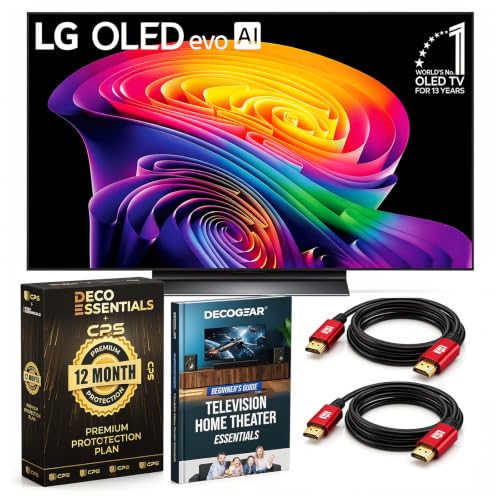
The LG 65-inch OLED evo AI 4K C5 Series (2025) is a premium OLED smart TV that sets a new benchmark for picture quality and gaming performance. It uses LG’s self-lit OLED technology, which means each pixel produces its own light and can turn off completely for perfect black levels. This gives you infinite contrast, vibrant colors, and stunning HDR performance that makes movies, sports, and games look incredibly lifelike.
This TV is best suited for home theater enthusiasts, gamers, movie lovers, and families who want the best possible picture for their living room or dedicated media room. The self-lit pixels also deliver wide viewing angles, so everyone on the couch or around the room sees consistent color and contrast. The Brightness Booster and anti-glare coating help reduce reflections, making it more practical for bright rooms than earlier OLEDs, though it still shines best in a dimmer environment.
For gamers, the C5 is a powerhouse. It supports up to 144Hz refresh rate, a 0.1ms response time, NVIDIA G-Sync, AMD FreeSync Premium, and VRR. It also has four HDMI 2.1 inputs, so you can plug in a PS5, Xbox Series X, a gaming PC, and a soundbar all at once. The Game Dashboard and Game Optimizer put all the key settings at your fingertips. Sports fans will appreciate the smooth motion handling and judder reduction, while fast-moving action stays clear and blur-free.
The Alpha 9 AI Processor Gen8 handles everything from upscaling lower-resolution content to optimizing picture and sound based on what you’re watching. Filmmaker Mode preserves the original aspect ratio, color, and frame rate for a cinema-like experience. The built-in webOS platform is fast and responsive, with access to all major streaming apps like Netflix, Disney+, Prime Video, and YouTube. Alexa is built-in, so you can control the TV, smart home devices, and search for content hands-free.
Setup is straightforward: the TV comes with a sturdy stand that’s easy to attach, and it supports VESA wall mounting for a cleaner look. The design is sleek with ultra-thin bezels that keep the focus on the picture. Cable management channels on the back help keep things tidy. The included remote is well-designed, though some users may prefer a backlit version for dark rooms. Sound quality from the built-in speakers is decent for everyday TV, but for a truly cinematic experience with Dolby Atmos, pairing with a compatible soundbar (like LG’s Wow Orchestra) is recommended.
Realistically, OLED burn-in is a potential issue if you watch static content for hours daily, but modern LG OLEDs have improved pixel shift and logo dimming to mitigate this. The price is high, but you’re getting top-tier picture quality, gaming features, and smart TV performance. If you’re looking for the best TV for movie nights, competitive gaming, or a home theater setup, the LG C5 is a fantastic choice. For cord-cutters and streamers, it’s a dream – everything looks amazing, from 4K HDR movies to 1080p sports.
The LG C5 OLED evo delivers stunning picture quality thanks to its self-lit pixels. Perfect black levels create infinite contrast, making HDR content with Dolby Vision and HDR10 pop with incredible depth. The Brightness Booster enhances luminance, so bright highlights stand out without washing out blacks. Color accuracy is exceptional, covering a wide color gamut for vibrant, lifelike images. The Alpha 9 Gen8 processor uses AI Super Upscaling to sharpen lower-resolution content, reducing noise and adding detail. Motion handling is smooth with minimal judder, thanks to the 120Hz panel (144Hz for gaming). Viewing angles are excellent, with no color shift when viewed from the side, making it ideal for family movie nights. The anti-glare filter helps in bright rooms, but OLED still performs best in controlled lighting.
Gamers will love the LG C5. It supports a 144Hz refresh rate, 0.1ms response time, NVIDIA G-Sync, AMD FreeSync Premium, and VRR for tear-free, stutter-free gameplay. Input lag is incredibly low, making it perfect for competitive shooters and fast-paced action. Four HDMI 2.1 inputs (48Gbps) allow you to connect multiple consoles and a PC simultaneously. The Game Dashboard and Game Optimizer provide quick access to settings like black stabilizer, crosshair overlay, and refresh rate monitoring. The TV automatically detects consoles and switches to game mode for optimal performance. Whether you’re playing on PS5, Xbox Series X, or a high-end PC, the C5 delivers a premium gaming experience.
LG’s webOS platform is fast, intuitive, and packed with apps. The 2025 version includes a home screen with easy access to Netflix, Disney+, Prime Video, Apple TV+, Hulu, and hundreds of other channels. Built-in Alexa lets you launch apps, search for content, control smart home devices, and even ask for the weather. You can also use Google Assistant via the remote or a compatible speaker. The processor ensures quick app loading and smooth navigation. The remote is ergonomic and has a dedicated Netflix button, but it’s not backlit. For cord-cutters, the C5 is a great choice – it handles all major streaming services with ease and supports Dolby Vision and Atmos on compatible content.
The built-in speakers on the LG C5 provide clear dialogue and decent volume for a TV. They support Dolby Atmos, creating a virtual surround sound effect that’s immersive for movies and shows. However, the bass is limited, and the overall soundstage is not as wide as a dedicated soundbar system. For the best experience, LG recommends pairing with a compatible soundbar using Wow Orchestra, which syncs the TV speakers with the soundbar for a more enveloping sound. The TV also has an eARC port for easy connection to a receiver or soundbar. If you’re a movie lover or gamer, consider adding external audio to fully enjoy Dolby Atmos.
The LG C5 has a sleek, minimalist design with ultra-thin bezels that maximize the screen real estate. The panel is only about 0.2 inches deep, giving it a floating look when wall-mounted. The stand is a sturdy central pedestal that’s easy to assemble and provides stability. It also has cable management channels to keep wires hidden. The back is made of a dark plastic with a textured finish. VESA 300x300 mounting is supported for a flush wall mount. The overall build quality feels premium, and the TV is lightweight enough for a single person to mount with help. The remote is a standard IR/Bluetooth model with a minimalist button layout and a scroll wheel.
Setup is straightforward: attach the stand or mount the TV, plug in the power and HDMI cables, and follow the on-screen wizard. The TV has four HDMI 2.1 ports (one with eARC), two USB-A ports, an Ethernet port, optical audio out, a composite video input, and a cable/antenna connector. It also has built-in Wi-Fi 6 and Bluetooth 5.0 for wireless connectivity. The remote uses Bluetooth and RF for pairing, so you can control the TV without line of sight. The initial setup includes connecting to Wi-Fi, signing into your LG account, and configuring Alexa. The process takes about 10 minutes. For gamers, connecting consoles is plug-and-play, and the TV auto-detects settings.

Pros
- QD-OLED technology delivers inky black levels alongside vibrant color volume and wide viewing angles
- Cognitive Processor XR offers excellent 4K upscaling and smooth motion handling for live sports
- Dedicated Game Menu and customized PS5 features streamline picture settings for competitive gaming
- Google TV interface provides fast navigation across favorite streaming apps with hands-free voice control
Cons
- Substantial 81-pound chassis and 77-inch width require a spacious media console or heavy-duty wall mounting
- Only two of the four HDMI ports support full HDMI 2.1 bandwidth for 4K at 120Hz sources
- Flagship pricing represents a significant investment compared to standard OLED or Mini-LED alternatives
The Sony BRAVIA XR A95L is a flagship 77-inch 4K Ultra HD television that merges Quantum Dot enhancement with self-lit OLED panel hardware. Engineered primarily for dedicated home theater enthusiasts, serious console gamers, and film connoisseurs, this premium display transforms any spacious living room or basement cinema. It delivers reference-grade contrast and expansive color reproduction that stands out whether you are hosting weekend movie nights or streaming high-stakes sports events with friends.
Picture performance revolves around Sony's Cognitive Processor XR, which evaluates visual elements across focal points just as the human eye perceives reality. By combining pure OLED black levels with the high color saturation of QD-OLED technology, the screen reproduces subtle shadow details without washing out bright specular highlights. HDR content presented in Dolby Vision or IMAX Enhanced showcases remarkable dynamic range, while refined motion processing handles fast-action football broadcasts and intense racing scenes without distracting judder or blurring.
Gamers will appreciate the specialized gaming integration tailored for contemporary consoles, particularly the PlayStation 5. The A95L includes dedicated HDMI 2.1 inputs capable of handling 4K resolution at 120Hz, Variable Refresh Rate (VRR), and Auto Low Latency Mode (ALLM). Features such as Auto HDR Tone Mapping calibrate HDR performance directly upon console startup, while the onboard Game Menu provides quick adjustments to black equalizer levels, crosshairs, and screen sizing without interrupting competitive multiplayer sessions.
Built-in Google TV supplies an organized, responsive hub for popular entertainment applications like Netflix, Disney+, Prime Video, and the high-bitrate BRAVIA CORE streaming service. The exterior build exhibits minimalist aesthetics, defined by slim bezels, robust table stands, and integrated cable routing channels that keep power cords tidy. Standard VESA mount compatibility facilitates secure wall placement, though the unit's substantial 81-pound weight necessitates two-person installation and heavy-duty hardware.
While the display excels across virtually all critical performance metrics, shoppers should weigh a few logistical considerations. The presence of two HDMI 2.1 ports means multi-console setups sharing an eARC sound system might require careful port allocation. For homeowners and entertainment enthusiasts seeking true cinema fidelity, rich color accuracy, and top-tier gaming responsiveness, this 77-inch display stands as a standout flagship centerstage investment for your home entertainment space.
The QD-OLED display panel on the A95L provides an expansive color palette driven by XR Triluminos Max technology. Because each pixel emits its own light while utilizing quantum dots for color conversion, scenes display deep blacks right alongside saturated, high-luminance highlights without backlight blooming.
Processing from the Cognitive Processor XR optimizes lower-resolution cable broadcasts and classic streaming titles into crisp 4K imagery. Broad off-axis viewing angles ensure that family members seated at the sides of the living room enjoy the exact same color saturation and contrast as those sitting directly in front of the screen.
Console players benefit from low input latency and fast pixel response times that keep fast-paced shooters and sports games fluid. With support for 4K resolution running at 120 frames per second, movement remains sharp and responsive during high-intensity gameplay sequences.
The dedicated Game Menu overlays quick access to picture adjustments, VRR status, and customizable aim assists directly onto the display. Exclusive PlayStation 5 features automatically match display output modes between gaming and movie streaming without requiring manual menu adjustments.

Pros
- Exceptional black levels and contrast from OLED technology create a truly immersive viewing experience
- Outstanding gaming performance with 144Hz, low input lag, and full HDMI 2.1 support for next-gen consoles
- Dolby Vision and Dolby Atmos enhance both picture and audio for movies and shows
- webOS 24 interface is fast, intuitive, and offers extensive app selection including Netflix, Disney+, and Prime Video
- Magic Remote with Alexa integration simplifies navigation and voice control
Cons
- Peak brightness may not be as high as some Mini-LED TVs, potentially limiting performance in very bright rooms
- 42-inch size might be too small for large living rooms or home theaters seeking a bigger screen
- Premium price compared to LED alternatives may not suit budget-conscious shoppers
The LG 42-inch OLED evo C4 is a 2024 model that brings the brand's renowned self-lit pixel technology to a compact size, ideal for apartment renters, bedroom TV buyers, and gamers who prioritize picture quality. This 4K smart TV uses over 8 million individually lit pixels to deliver perfect blacks and infinite contrast, making every movie, show, or game pop with lifelike depth.
Home theater enthusiasts and movie lovers will appreciate the Dolby Vision and Dolby Atmos support, which together create a cinematic experience at home. The a9 AI Processor Gen7 enhances lower-resolution content via AI Super Upscaling, so even older shows look crisp. Families with kids and cord-cutters benefit from webOS 24, which offers fast access to streaming apps like Netflix, Disney+, and Prime Video, plus over 300 free LG Channels for live TV.
Gamers are a key audience for this OLED TV. The 144Hz refresh rate, 0.1ms response time, and support for NVIDIA G-Sync, AMD FreeSync Premium, and VRR eliminate screen tearing and stutter. Four HDMI 2.1 inputs let you connect a PS5, Xbox Series X, and a soundbar without compromise. The Game Dashboard and Game Optimizer give you full control over settings for competitive play.
Build quality is excellent, with a slim bezel and a sturdy stand that can be wall-mounted using a standard VESA pattern. The Magic Remote includes Alexa for voice commands, and the TV's Wi-Fi and Bluetooth connectivity make streaming and pairing accessories effortless. Setup is straightforward, and the webOS interface loads apps quickly.
One realistic limitation is that the 42-inch screen may feel small for large living rooms or family gatherings. Additionally, while OLED black levels are superb, peak brightness is moderate, so very bright rooms with direct sunlight may cause reflections. The built-in speakers handle dialogue clearly but adding a Dolby Atmos soundbar would elevate the experience.
Overall, the LG C4 is a fantastic choice for gamers, apartment dwellers, streamers, and anyone seeking a premium OLED experience in a manageable size. It balances picture quality, gaming features, and smart TV convenience, making it a strong contender for a bedroom, home office, or dedicated gaming setup.
The LG OLED evo C4 delivers breathtaking picture quality thanks to its self-lit pixels. Black levels are absolute, allowing vibrant colors to stand out with 100% Color Volume and 100% Color Fidelity. HDR content in Dolby Vision looks stunning, with bright highlights and deep shadows that preserve detail. The a9 AI Processor Gen7 enhances standard dynamic range content, reducing noise and sharpening edges for a clean, natural image. Motion handling is smooth at 144Hz, reducing judder during fast-paced sports and action films. Viewing angles are excellent, so the picture remains consistent from almost any seat in the room.
Gamers will find the C4 a powerhouse. With a 144Hz refresh rate and 0.1ms response time, motion is fluid and input lag is minimal. It supports NVIDIA G-Sync, AMD FreeSync Premium, and VRR, ensuring tear-free gameplay on both PC and consoles. Four HDMI 2.1 ports provide full bandwidth for 4K at 120Hz on next-gen systems. The Game Dashboard and Game Optimizer let you adjust settings like black stabilizer and crosshairs on the fly. Whether you play competitive shooters or expansive RPGs, this OLED TV keeps you in the action.
webOS 24 is the backbone of the C4's smart experience. It offers a clean, customizable home screen with quick access to apps like Netflix, Disney+, Prime Video, YouTube, and Hulu. LG Channels provides over 300 free channels spanning news, sports, movies, and kids content. The Magic Remote includes a scroll wheel, voice control via Alexa, and a dedicated button for popular apps. You can also use the TV with Google Assistant through compatible devices. The WebOS Re:New Program guarantees software updates for five years, keeping your TV current.
The LG OLED evo C4 has a sleek, minimalist design with thin bezels that maximize the screen area. The stand is sturdy and offers a small footprint, ideal for media consoles. For wall mounting, the TV is VESA compatible and lightweight enough for a single-person installation. Cable management channels help keep wires tidy. The build quality feels premium, with a metal-like finish on the bezel. The 42-inch size makes it a great fit for smaller rooms, apartments, or as a secondary gaming monitor.
Evaluating LG and Sony OLED Television Engineering, Picture Quality, and Hardware Differences
Determining whether LG or Sony builds the superior OLED television requires looking past marketing terminology and examining how each manufacturer designs its hardware. LG focuses heavily on versatile connectivity, high refresh rates, and automated gaming optimizations that cater to modern consoles and personal computers. Sony directs its engineering efforts toward cinematic fidelity, natural color representation, and refined video processing that elevates streaming feeds and broadcast content. Both manufacturers deliver outstanding visual depth, but their distinct strengths serve different home entertainment priorities.
Emissive Display Architectures: Traditional WOLED vs Quantum Dot OLED
Panel architecture serves as the foundation for modern television performance. LG relies primarily on White OLED (WOLED) technology across its evo lineup, including models like the C4, C5, and C6 series. WOLED uses an organic stack of light emitters filtered through red, green, and blue color filters, supplemented by an unfiltered white subpixel to boost peak brightness. This subpixel configuration delivers impressive specular highlight intensity, though pushing peak luminance through the white subpixel can slightly dilute color saturation in very bright highlights.
Sony utilizes both WOLED and QD-OLED (Quantum Dot OLED) display panels across its product tiers. While models like the A90K and BRAVIA XR8B utilize traditional WOLED substrates, flagships such as the BRAVIA XR A95L and BRAVIA 8 II incorporate blue OLED emitters paired with a printed quantum dot layer. This quantum dot layer converts blue light into pure red and green without an unfiltered white subpixel. Consequently, Sony QD-OLED models maintain wide color volume and saturated hues even at maximum panel brightness.
Video Processing Showdown: LG Alpha Engines vs Sony Cognitive Processor XR
Video processing separates good emissive panels from truly exceptional home theater displays. Sony equips its televisions with the Cognitive Processor XR or the latest AI-driven XR Processor, engineered to mimic how human vision interprets real-world focal points. Sony algorithms excel at resolving fine shadow detail without crushing near-black tones, smoothing out gradient posterization in compressed streaming content, and cleaning up digital noise. Viewers watching standard definition broadcasts or compressed streaming shows typically notice fewer macroblocking artifacts on Sony displays.
LG powers its evo lineup with proprietary a9 AI Processor and flagship a11 AI Processor chips. LG AI Super Upscaling uses machine learning to sharpen edges, isolate primary subjects from backgrounds, and reconstruct lost texture in standard resolution content. The processor handles dynamic tone mapping frame by frame to preserve detail in both dark crevices and bright sky highlights. While LG processing has advanced significantly, purists often note that Sony applies slightly more restrained, natural sharpening that avoids digital haloing around high-contrast edges.
Motion handling also highlights distinct engineering philosophies between both brands. OLED pixels transition near-instantaneously, which can cause slow 24-frame-per-second cinematic camera pans to appear stuttery. Sony counters this with XR Motion Clarity, which inserts subtle, calculated intermediate motion vectors to preserve filmic cadence without creating an artificial soap opera effect. LG offers extensive de-judder and de-blur sliders through its TruMotion engine, giving users complete manual control over motion smoothing behavior.
Peak Brightness, Automatic Brightness Limiter Behavior, and Ambient Light
Room lighting conditions strongly dictate how satisfying an OLED television appears in daily use. Both brands have engineered solutions to overcome the traditional brightness limitations of organic emissive panels. LG employs Brightness Booster and Brightness Booster Pro technology on models like the C5 and C6, utilizing advanced thermal control algorithms to push individual pixel output higher in small window highlights. These enhancements allow LG displays to present punchy, vibrant high dynamic range images even in rooms with moderate ambient daylight.
Every self-emissive display incorporates an Automatic Brightness Limiter (ABL) designed to protect internal power supplies and reduce thermal stress. When an entire screen fills with bright white imagery, such as during hockey games or snowy landscapes, the ABL circuit dims overall panel luminance. Sony tunes its ABL behavior conservatively to preserve panel longevity and prevent heat buildup, whereas LG allows slightly higher sustained full-screen luminance in bright picture modes. Users watching predominantly bright sports broadcasts in sunlit spaces must account for these protective dimming algorithms.
Screen surface reflections represent another critical consideration for living room environments. LG evo panels are verified for low discomfort glare, featuring semi-gloss anti-reflective coatings that diffuse direct light fixtures effectively while keeping blacks inky. Conversely, QD-OLED panels from Sony lack a traditional polarizing filter. When bright ambient light strikes a QD-OLED surface directly, ambient black levels can elevate slightly into a deep charcoal or subtle purplish tint. For dedicated dark home theaters, this characteristic remains invisible, but it warrants consideration in open living spaces with unshaded windows.
Gaming Capabilities, Refresh Rates, and HDMI 2.1 Bandwidth
Gaming performance highlights one of the sharpest divides between the two brands. LG has firmly established itself as an industry leader for console and PC gaming. Televisions across the C4, C5, and C6 series feature four full-bandwidth HDMI 2.1 inputs capable of handling 4K signals at 120Hz, 144Hz, and up to 165Hz on select modern evo screens. This unrestricted connectivity allows users to keep an Xbox Series X, a PlayStation 5, and a high-end gaming PC plugged in simultaneously without sacrificing bandwidth or swapping cables.
LG backs this hardware bandwidth with near-instantaneous 0.1ms pixel response times and comprehensive variable refresh rate support, including NVIDIA G-Sync compatibility, AMD FreeSync Premium, and HDMI Forum VRR. The LG Game Optimizer interface puts low-latency toggles, frame rate counters, and dark stabilizer controls within immediate reach. Input latency consistently measures exceptionally low across all LG gaming modes, preventing noticeable controller delay during fast-paced competitive gameplay.
Sony approaches gaming with a focus tailored toward the PlayStation ecosystem. Models such as the A90K, BRAVIA XR8B, and BRAVIA 8 II feature exclusive PlayStation 5 optimizations, including Auto HDR Tone Mapping and Auto Genre Picture Mode that automatically calibrate output upon detecting the console. However, Sony sets typically provide only two full-speed HDMI 2.1 ports, while the remaining inputs operate on standard HDMI 2.0 bandwidth. Because one of those two high-bandwidth ports doubles as the dedicated eARC connection, connecting an external soundbar leaves only a single port available for 4K 120Hz gaming hardware.
Smart TV Platforms: LG webOS vs Sony Google TV
Smart TV software shapes your daily interaction with the display. LG equips its displays with webOS, navigated using the motion-sensitive Magic Remote that acts as an on-screen mouse pointer. The interface organizes applications into customizable quick cards, sports alerts, and personalized content hubs. Furthermore, the LG webOS Re:New program guarantees software version updates and interface refreshes for five full years, ensuring that displays receive modern application support and feature improvements over time.
Sony integrates the Google TV platform, known for its powerful recommendation engine and comprehensive streaming catalog indexing. Google TV brings personalized watchlists, voice-controlled Google Assistant functionality, and seamless integration with Google Cast and Apple AirPlay 2. Sony users also gain access to the proprietary BRAVIA CORE and SONY PICTURES CORE application. This exclusive streaming service delivers select cinematic titles at high bitrates matching physical disc quality, alongside an extensive library of IMAX Enhanced content that showcases the television picture capabilities.
Built-in Audio Engineering and External Sound Integration
Integrated sound performance presents another distinct philosophical divergence between the two manufacturers. Sony employs proprietary Acoustic Surface Audio+ technology across its premium OLED displays. Instead of relying on small downward-firing drivers hidden beneath the bezel, Sony attaches acoustic actuators directly behind the glass panel. These actuators vibrate the screen itself to generate sound, causing on-screen dialogue and sound effects to emanate precisely from where characters stand or vehicles move across the picture.
LG utilizes multi-channel downward-firing speaker systems bolstered by virtual surround sound upmixing. Through WOW Orchestra, compatible LG soundbars synchronize directly with internal television speakers to create a wider, more cohesive front soundstage. Both manufacturers support standard object-based Dolby Atmos decoding. However, Sony stands out by retaining native support for DTS:X audio passthrough, a critical benefit for film enthusiasts who play physical 4K Ultra HD Blu-ray discs encoded with DTS audio tracks.
Screen Sizing Availability and Mother-Glass Panel Cuts
Display size selection in the OLED category is strictly determined by commercial mother-glass manufacturing substrate cuts. Unlike traditional LCD televisions that come in intermediate sizes like 50 inches, 70 inches, or 75 inches, consumer OLED mother glass produces displays in standardized diagonal cuts: 42, 48, 55, 65, 77, 83, and 97 inches. Buyers shopping for a 50-inch screen must choose between a 48-inch or 55-inch panel, while those seeking a 75-inch screen must step up to a 77-inch model like the LG C6 or Sony A95L.
LG offers the broadest spectrum of panel sizes in the industry. Its compact 42-inch and 48-inch C-series models serve as reference-grade desktop gaming monitors or compact bedroom displays, while its 77-inch and 83-inch models anchor large living rooms. Sony provides compact options like the 48-inch A90K, but focuses most of its flagship QD-OLED and premium processing engineering around mainstream 55-inch, 65-inch, and 77-inch dimensions.
Physical mounting considerations also require careful planning due to the razor-thin glass construction of modern emissive displays. Because the organic panel itself measures only millimeters thick with electronics housed in a lower rear enclosure, handling requires balanced two-person lifting to prevent glass flexing. For massive 77-inch or larger installations, consulting guides for heavy screen TV mounting brackets helps verify that your wall studs, VESA patterns, and hardware ratings safely support wide-chassis displays without risking structural strain.
Burn-In Mitigation, Panel Maintenance, and Longevity
Permanent image retention, commonly known as burn-in, remains a lingering concern for prospective OLED buyers. Burn-in occurs when static visual elements, such as news tickers, sports scoreboards, or video game heads-up displays, unevenly degrade organic subpixels over thousands of cumulative hours. Both LG and Sony have engineered multi-layered mitigation algorithms to counteract uneven subpixel wear and ensure long-term panel stability under regular domestic viewing conditions.
Both brands incorporate automated screen savers, subtle pixel shifting routines, and logo luminance dimmers that detect static graphics and lower their brightness independently. Sony incorporates physical thermal heatsinks in flagship QD-OLED models like the A95L to draw heat away from the organic layer, allowing higher peak brightness without accelerating thermal degradation. LG relies on comprehensive OLED Care menus and custom thermal dissipation designs across its evo series to maintain uniform panel temperatures.
Maintaining these displays requires observing one crucial operating practice: never cut the main electrical power to the television using a switched outlet or smart plug. When powered down into standby mode, both LG and Sony televisions automatically run silent compensation cycles after every four hours of cumulative viewing. These short maintenance cycles balance electrical resistance across individual subpixels. Interrupting this automated standby process by cutting wall power prevents the television from protecting its panel against temporary image retention.
Practical Decision Framework: Matching Brand Strengths to Your Viewing Habits
Choosing the ideal television ultimately hinges on your primary content diet and physical installation setup. If your household prioritizes PC or console gaming, LG represents the more versatile, forward-compatible platform. With four full-bandwidth HDMI 2.1 inputs, native refresh rates reaching 144Hz and 165Hz, dedicated Game Optimizer tools, and a broad range of screen sizes from 42 to 77 inches, LG evo televisions handle high-speed interactive entertainment with unmatched flexibility.
If your entertainment setup centers on dark-room cinema, physical disc playback, and streaming film libraries, Sony offers compelling advantages. Sony Cognitive Processor XR delivers superior near-black gradation, refined upscaling for compressed video, and natural motion cadence without unwanted smoothing. When combined with the exceptional color volume of Sony QD-OLED panels and direct screen acoustics, Sony televisions provide an authentic cinematic presentation tailored for dedicated film purists.
Evaluating your room lighting, connected gaming equipment, and preference between Google TV and webOS will clarify which manufacturer aligns with your living room. Both LG and Sony deliver class-leading contrast and deep black levels that define the best modern television viewing. Matching their specific hardware strengths to your everyday viewing habits ensures you enjoy reference-grade display performance for years to come.



Write Your Review
No reviews yet. Be the first to share your experience!