
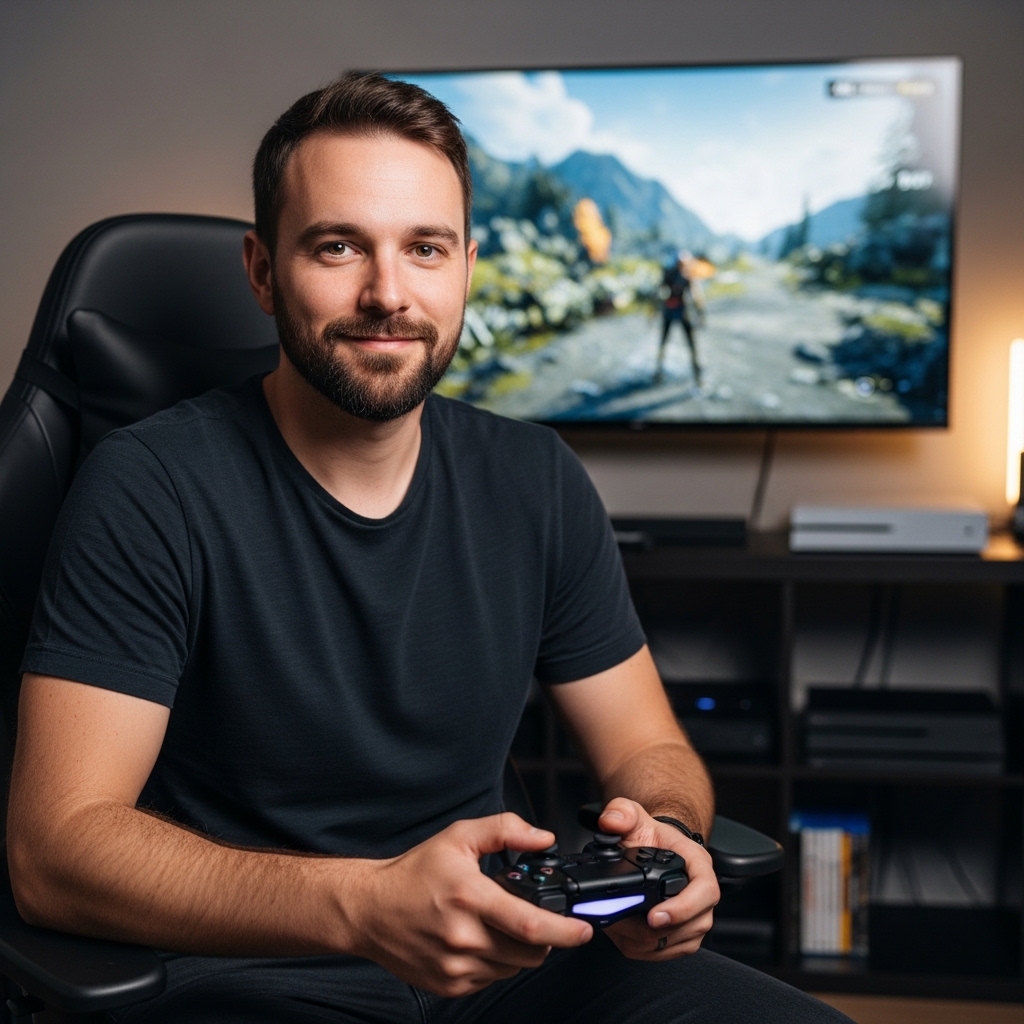

Movie buffs and sports enthusiasts often dream of turning an ordinary living room into a private theater with self-lit pixels. Anyone searching for what is the largest oled tv quickly discovers that panel manufacturing treats screen dimensions differently than traditional back-lit LED displays. While standard LCD panels easily stretch to 85, 98, or even 100 inches, organic light-emitting diode production relies on specific substrate cutting templates that cap consumer screens at distinct thresholds. Exploring large-screen OLED televisions reveals that 97 inches serves as the absolute physical pinnacle of consumer production, while 83 inches represents the largest widely distributed format.
Securing a massive emissive display demands a clear understanding of picture processing, panel architecture, and room acoustics. A screen spanning more than six feet diagonally magnifies low-resolution video artifacts, making advanced AI upscaling and motion cadence smoothing critical for everyday viewing. Large panels also demand robust thermal management to sustain HDR highlights without triggering aggressive Automatic Brightness Limiter dimming during brightly lit scenes. Balancing viewing distances, panel weight, and gaming features ensures you get reference-grade contrast without compromising daily room usability.

Pros
- Massive 83-inch self-illuminating OLED panel produces reference-level contrast and true black levels
- Advanced 20-neural-network AI processor upscales standard HD broadcasts and streaming media cleanly
- Exceptionally wide viewing angles keep color and contrast consistent across large sectional seating
- Accurate, Pantone-validated colors prevent unnatural skin tones and harsh oversaturation
- Integrated Alexa provides smooth voice commands without hunting for the remote
Cons
- Large 83-inch frame weighs nearly 75 pounds and requires two people for unboxing and wall mounting
- OLED peak brightness is best suited for controlled lighting rather than rooms with unshaded direct sunlight
- Lacks Dolby Vision HDR support, relying on HDR10 and HDR10+ formats instead
The Samsung 83-Inch Class S85F OLED 4K Smart TV represents a serious centerpiece for home entertainment, designed to bring genuine cinema scale right into the home. Measuring an impressive 83 inches diagonally, this television is tailored for dedicated home theater enthusiasts, avid sports fans hosting Super Bowl watch parties, and movie lovers wanting uncompromising visual immersion. While its expansive size demands significant wall or media console space, the combination of self-illuminating OLED technology and Samsung's NQ4 AI Gen2 processor makes it a top-tier choice for primary living rooms, open-concept spaces, and finished basements.
Picture performance stands out thanks to the core nature of OLED technology, where each pixel produces its own light. This architecture allows the panel to achieve true, inky blacks by turning off individual pixels completely, eliminating light bleed and haloing around bright objects. Supported by OLED HDR and Pantone validation, colors appear remarkably natural, presenting realistic skin tones and lifelike landscapes without the artificial oversaturation found on some consumer screens. The onboard NQ4 AI Gen2 processor leverages 20 distinct neural networks, which actively analyzes incoming content to upscale low-resolution cable feeds, older DVDs, and standard HD streams into sharp, artifact-free 4K video.
For sports fans and fast-paced gaming marathons, this television maintains steady clarity and fluid action. OLED technology inherently offers near-instant pixel response times, virtually wiping out motion blur during high-speed football passes or rapid camera pans in action flicks. Off-axis viewing is another strong suit, meaning guests sitting along the far edges of a sectional sofa will experience the same rich contrast and color depth as the viewer centered directly in front of the screen. Combined with low latency and modern video processing, it provides a smooth, responsive platform for current-generation gaming consoles and competitive titles.
From a physical and practical standpoint, the S85F exhibits Samsung's clean aesthetic with an ultra-slim profile and graphite black accents that look refined whether mounted or placed on furniture. Setting up an 83-inch television weighing roughly 75 pounds requires careful handling and ideally two adults, especially when securing it to a sturdy VESA-compatible wall mount. The integrated smart platform offers quick access to top streaming services like Netflix, Disney+, and Prime Video, while built-in Alexa simplifies everyday control by letting you search for titles, swap inputs, or manage connected smart home lights using simple voice commands.
Like any large-format OLED, there are practical considerations to keep in mind before purchasing. While OLED HDR delivers exceptional dynamic range in dim and moderately lit spaces, those with floor-to-ceiling unshaded windows may notice that Mini-LED alternatives achieve higher overall peak brightness. Additionally, Samsung continues to utilize HDR10+ rather than Dolby Vision, which may matter to purists with extensive Dolby Vision physical media libraries. For homeowners seeking reference-grade black levels, massive scale, and smart AI upscaling for family movie nights and weekend sports, the Samsung S85F stands out as a premier home theater investment.
The standout attribute of the Samsung S85F OLED is its pixel-level precision. Because self-lit pixels turn off completely, dark scenes in horror films or sci-fi space epics reveal hidden shadow details without backlight blooming. The NQ4 AI Gen2 processing engine continually refines sharpness and depth, ensuring everyday cable broadcasts and compressed streaming feeds look remarkably crisp on the 83-inch canvas.
Gamers and sports enthusiasts benefit greatly from the ultra-fast pixel response times that keep fast-moving pucks, balls, and gaming characters crisp. With low input latency, auto low latency features, and smooth high refresh rate capabilities, modern consoles feel fluid and immediate, making split-second reactions feel seamless during multiplayer gaming sessions.

Pros
- Uncompromising black levels and stunning quantum dot color volume deliver class-leading HDR contrast
- Sophisticated XR AI processing provides remarkably clean and natural upscaling for lower-resolution cable and streaming video
- Comprehensive audio and visual format support including Dolby Vision, DTS:X, and IMAX Enhanced
- Snappy Google TV interface with native Apple AirPlay 2 and Google Cast integration
Cons
- High-end QD-OLED technology represents a significant financial investment compared to standard LED displays
- Sustained full-screen brightness is more suited for controlled lighting than rooms with direct, unfiltered afternoon sunlight
- OLED panels require sensible viewing habits to minimize the potential risk of long-term image retention from static tickers
The Sony 65-Inch BRAVIA 8 II (K-65XR80M2) represents the peak of modern television engineering, combining self-emissive QD-OLED hardware with Sony proprietary cognitive processing. Tailored for dedicated home theater enthusiasts, film purists, high-end gamers, and discerning homeowners, this television replaces traditional LED backlights with over eight million self-lit pixels. By marrying quantum dot color vibrancy with the infinite contrast of OLED, it creates an arresting picture that reproduces inky shadows and dazzling specular highlights simultaneously. Whether mounted in a dedicated basement media room or serving as the centerpiece of an open-concept suburban living space, this display targets viewers who prioritize uncompromised visual accuracy.
Under the hood, the Sony XR Processor with AI technology continuously drives the visual presentation by analyzing scenes in real time. Rather than applying a blunt sharpening mask across the entire panel, the processor identifies focal points, facial tones, and background textures to recreate depth that mirrors human perception. Upscaling lower-resolution sources is handled smoothly through XR Clear Image, making everyday cable sports, broadcast news, and vintage streaming series appear sharp without introducing harsh digital artifacts. Colors rendered through XR Triluminos Max exhibit exceptional purity, maintaining richness even in high-brightness scenes where traditional OLEDs might dilute hue saturation.
For sports fans and movie lovers, motion handling and format support are just as vital as raw resolution. The BRAVIA 8 II handles fast camera pans across athletic fields and high-octane action sequences with fluid stability, eliminating distracting judder while preserving authentic 24p film cadence. Broad high dynamic range format compatibility ensures you can experience Dolby Vision, IMAX Enhanced, and HDR10 content as mastering engineers intended. The audio experience is elevated by Sony screen-based sound engineering, which aligns dialogue and sound effects directly with on-screen movement to deliver crisp vocal clarity during intimate drama scenes before connecting a separate soundbar or AV receiver.
Day-to-day operation is powered by the Google TV smart platform, which unifies apps like Netflix, Disney+, Prime Video, and Apple TV into a personalized, cohesive home screen. Browsing menus is snappy, and finding content is straightforward using hands-free Google Assistant voice commands or casting directly from mobile devices via Apple AirPlay 2 and Google Cast. The physical chassis reflects a sleek, minimalist philosophy with ultra-thin borders that maximize viewing area. Integrated cable management channels help maintain a clean, tidy entertainment center whether you rest the display on a wide credenza or secure it against a wall using a standard VESA mount bracket.
While the BRAVIA 8 II stands among the finest televisions on the market, prospective buyers should consider room acoustics and ambient light conditions. While the QD-OLED panel produces impressive peak brightness for an OLED, rooms flooded with direct, unshaded sunlight from large windows may still benefit from the raw luminance output of high-tier Mini-LED displays. However, for homeowners who appreciate flawless contrast, gamers demanding near-instant pixel response times, and families gathering for weekend movie nights, this flagship Sony television offers a truly captivating visual centerpiece built for long-term enjoyment.
Picture quality on the Sony BRAVIA 8 II is defined by the union of quantum dot color enhancement and self-illuminating OLED pixels. Because each pixel can switch off entirely, contrast is theoretically infinite, completely eliminating the light bleed and haloing often visible around bright subtitles on traditional backlit panels. The display reveals subtle shadow nuances in dark thriller films that standard screens often crush into murky gray.
Color reproduction is another major highlight thanks to XR Triluminos Max. By utilizing quantum dots instead of standard white OLED color filters, the BRAVIA 8 II maintains saturated primaries even at elevated brightness levels. Highlights like neon signs, sunlight glinting off metal, and vibrant fantasy landscapes appear intensely realistic without looking cartoonish or overcooked, honoring the creative vision behind high-grade 4K HDR masters.
Powered by Google TV, the BRAVIA 8 II provides an intuitive interface that curates content recommendations based on viewing habits across multiple streaming subscriptions. Setup is rapid, allowing quick sign-ins and profile creation for different family members so watchlists remain personal and organized. Essential streaming platforms like Netflix, Prime Video, Hulu, and YouTube come preloaded and launch without lag.
In addition to standard streaming services, the inclusion of the Sony Pictures Core app gives viewers access to high-bitrate streaming and an expansive catalog of IMAX Enhanced movie titles. Compatibility with Apple AirPlay 2 and Google Cast ensures that sharing family vacation photos, personal videos, or music directly from iOS and Android devices is effortless during gatherings.
Pros
- Outstanding QD-OLED contrast provides deep blacks without backlight blooming or haloing around bright objects.
- XR Clear Image AI upscaling makes sports, standard cable, and older digital video look sharp and detailed.
- Rich color volume with XR Triluminos Max brings out authentic hues in bright HDR movie scenes.
- Intuitive Google TV ecosystem organizes all streaming favorites with fast voice navigation.
Cons
- Higher price point represents a substantial investment compared to standard LED or Mini-LED alternatives.
- Like all OLED-based displays, prolonged static imagery requires mindful usage to avoid image retention over time.
- Built-in television audio lacks the deep low-end bass found in dedicated multi-channel soundbar setups.
The Sony BRAVIA 8 II QD-OLED 4K Smart Google TV (K-55XR80M2) represents a high-end visual display tailored for home theater enthusiasts, serious film buffs, and avid console gamers. Utilizing self-lit Quantum Dot OLED technology, this 55-inch screen merges pure blacks with elevated color brightness. Whether you are setting up a dedicated basement media room, upgrading a condo living space, or putting together a refined entertainment nook, this display is engineered to present content with cinematic authenticity.
Picture quality stands out as the main highlight of this television. Thanks to the interplay of individual pixel illumination and XR Triluminos Max, contrast is practically infinite. Scenes featuring starry night skies or dark corridors reveal subtle shadow nuances without any haloing or light bleed. The onboard XR Processor uses artificial intelligence to analyze incoming video signals in real time, enhancing texture and rendering skin tones naturally. Viewers watching standard HD sports or streaming older sitcoms will notice clean edges and minimized compression noise courtesy of XR Clear Image upscaling.
For cinematic enjoyment, support for Dolby Vision, IMAX Enhanced, and DTS:X provides a true theater atmosphere right at home. The television includes studio-calibrated viewing presets configured for popular platforms such as Netflix, Prime Video, and Sony Pictures Core. Motion handling remains smooth during fast-moving athletic broadcasts, high-speed car chases, and live football games, avoiding distracting judder. Wide viewing angles ensure that family members and guests sitting off to the side during weekend watch parties experience the same rich saturation and contrast as those seated directly in front.
On the smart interface side, Google TV runs smoothly, consolidating subscription apps like Disney+, YouTube, and Prime Video onto a single personalized home screen. Voice commands through Google Assistant allow fast hands-free searching for titles, volume adjustments, and smart home control. Connecting mobile devices is straightforward through Apple AirPlay 2 and Google Cast. For gaming, low input lag paired with fluid motion handling complements modern gaming consoles, making high-frame-rate action feel snappy and responsive.
While the visual performance is stellar, buyers should keep a few practical considerations in mind. As with any OLED display, viewers who frequently run non-stop static news tickers or desktop displays will want to take advantage of Sony screen protection features. In addition, while the built-in speaker system delivers clear dialogue for routine viewing, pairing the screen with a dedicated soundbar or audio receiver will unlock the full potential of Dolby Atmos movie tracks. Overall, this television is a prime recommendation for those who prioritize pristine black levels, accurate color reproduction, and smooth streaming integration.
The combination of Quantum Dot color filters and OLED self-illuminating pixels enables this display to produce expansive color volume at elevated brightness levels. Traditional OLED panels can sometimes look slightly muted in vivid highlights, but QD-OLED technology allows bright yellows, fiery reds, and electric blues to maintain their intensity.
High Dynamic Range performance shines through Dolby Vision and IMAX Enhanced support. The XR Processor actively tracks scene data to map tones accurately, preserving highlight details in bright skies while maintaining realistic dark room immersion. It makes nighttime viewing a remarkable visual experience.
Setup is simple and guided, walking owners through Wi-Fi connection, Google account integration, and antenna or cable setup in just a few minutes. Google TV provides tailored content recommendations across all installed streaming subscriptions so you spend less time searching and more time watching.
The screen features a sleek, minimalist frame that blends seamlessly onto standard TV consoles or VESA wall mounts. Thoughtful cable pathways help keep HDMI leads, power cords, and accessory cables organized behind the television for a clean, clutter-free living room setup.

Pros
- Maximizes floor space and creates a sleek, uncluttered look.
- Strong 110lb weight capacity accommodates a wide range of TVs.
- Tilt and swivel adjustability enhances viewing comfort from different seating positions.
- Internal cable routing keeps wires hidden and organized.
Cons
- Requires ceiling joist or solid support for safe installation; may not suit all ceiling types.
- Pole length may be shorter than needed for very high ceilings (max drop ~40 inches with extension).
- Some users may find assembly slightly time-consuming if not familiar with mount installations.
The USX STAR Ceiling TV Mount is a practical solution for anyone who wants to free up floor space without sacrificing a great viewing angle. Designed for 26-65 inch flat screen TVs weighing up to 110lbs, this mount is built with heavy-duty steel and supports VESA patterns from 50x50mm up to 400x400mm. Homeowners, apartment renters, and home theater enthusiasts will appreciate how it transforms a spare corner or awkward room into a dedicated viewing area.
One of the standout features is the adjustable height pole. It extends from 32.6 inches to 40.5 inches, giving you flexibility to place the TV at eye level whether you're sitting on a couch or lying in bed. If you need a shorter drop, you can remove the center extension to bring it down to about 21.14 inches. Combined with the tilt and swivel mechanism, you can angle the screen to reduce glare or get the perfect line of sight from any seat.
For cord-cutters and streamers, the integrated cable management is a nice touch. It guides cables through the internal connection of the mount, keeping wires hidden and your setup looking clean. Installation is straightforward thanks to the included hardware and clear instructions, though you will need access to a ceiling joist or solid support for a secure mount. Most DIY-minded folks can handle it in under an hour.
Build quality feels robust. The mount is made by a factory with over 20 years of experience, using robot welding and meeting international safety standards. The 10-year US-based customer service adds peace of mind if any issues arise. That said, this mount is best for standard flat screen TVs - not curved or very heavy TVs beyond the 110lb limit.
Realistically, the main limitation is ceiling type. If you have vaulted ceilings, skylights, or concrete, you might need additional hardware or professional help. Also, the pole's maximum drop of 40.5 inches might not be enough for very high ceilings. But for most living rooms, bedrooms, game rooms, or even basements, this ceiling mount delivers a clean, space-saving TV setup that works well for movie marathons, sports watch parties, or everyday streaming.
Before mounting, locate a ceiling joist using a stud finder - this is critical for safety. The mount comes with lag bolts designed for wood joists. If your ceiling is concrete or metal, you'll need appropriate anchors (not included). Measure your TV's VESA pattern and ensure it fits within the 400x400mm max. The height adjustment pole can be pre-set before lifting the TV. For easier installation, have a helper hold the TV while you attach it to the mounting plate. Use a level to ensure the screen is straight before tightening all bolts.

Pros
- Infinite contrast ratio with true inky blacks and vibrant HDR color performance
- Top-tier gaming suite featuring 120Hz, G-Sync, FreeSync Premium, and ultra-low input lag
- Intuitive webOS 23 interface with broad app support and hands-free voice control
- Wide viewing angles ensure colors and contrast stay consistent from any seat in the room
- Extra peace of mind provided by the included 2-year CPS protection plan
Cons
- OLED panels generally reach lower peak brightness levels than premium Mini-LED TVs in sun-drenched rooms
- Built-in speakers lack deep low-end bass, making a soundbar upgrade recommended for full impact
- Included accessory cable is HDMI 2.0 rather than full bandwidth HDMI 2.1
The LG 65-Inch C3 OLED Smart TV bundle combines one of the most acclaimed OLED evo displays on the market with added accessories and extended warranty protection. Built around self-lit pixel technology, this television eliminates traditional LED backlights to produce true, zero-nit black levels and infinite contrast. Paired with LG's advanced α9 AI Processor Gen6, the panel dynamically fine-tunes color, sharpness, and brightness scene by scene. Whether you are outfitting a dedicated basement home theater, upgrading your living room setup, or building an elite gaming station, this 65-inch display delivers the premium visual benchmark that home cinema enthusiasts and gamers seek.
Real-world picture performance stands out across all types of content, from late-night streaming to Sunday football. Because each individual pixel can turn off completely, dark scenes in movies appear rich and detailed without the annoying blooming or backlight bleed common to standard LED displays. Color volume and HDR reproduction remain vibrant, supporting Dolby Vision for theater-like contrast and nuanced highlights. Viewing angles are virtually flawless, ensuring family members seated on the edges of the sectional sofa experience the same punchy colors and crisp contrast as someone sitting dead center. The α9 processor handles lower-resolution cable broadcasts and sports streams effortlessly, applying intelligent upscaling and smooth motion processing to eliminate judder during fast-moving athletic plays.
For gamers playing on modern consoles like the PlayStation 5 or Xbox Series X, or high-end gaming PCs, the LG C3 remains an industry powerhouse. The native 120Hz refresh rate teams up with an instantaneous response time of under 0.1 milliseconds to produce ultra-fluid movement free from ghosting. With official support for NVIDIA G-Sync, AMD FreeSync Premium, and Variable Refresh Rate (VRR), screen tearing is effectively eliminated during high-speed action. Auto Low Latency Mode (ALLM) automatically detects connected gaming consoles and switches to optimal low-latency picture presets so your button presses register instantly.
In terms of smart connectivity and build quality, the C3 showcases sleek craftsmanship with razor-thin bezels and a remarkably slim profile. Running on webOS 23, the interface organizes streaming favorites like Netflix, Disney+, Prime Video, and YouTube into intuitive quick cards, responding quickly to voice commands through built-in Amazon Alexa, Apple HomeKit, or the Magic Remote. On the audio side, built-in speakers provide clear dialogue and virtualized surround sound via Dolby Atmos and AI Sound Pro. While everyday sitcoms and news broadcasts sound articulate, home theater enthusiasts will likely want to pair the TV with an eARC-compatible soundbar or surround sound system to get the deep, rumbling bass that matches the screen's visual grandeur.
Practical living room placement should factor in lighting conditions. While OLED evo technology delivers higher brightness than older OLED generations, high-end Mini-LED displays can still push higher peak lumens in sun-drenched rooms with open curtains. For dark to moderately lit living spaces and nighttime family movie viewings, however, the picture quality is hard to beat. The bundled 24-month CPS warranty adds valuable long-term peace of mind, making this comprehensive bundle an exceptional investment for movie lovers, streamers, and competitive gamers looking for a top-tier 65-inch 4K television.
Console and PC gamers will find that the LG C3 is purpose-built for fast-paced interactive entertainment. The 120Hz panel ensures silky smooth motion across demanding action titles, racing sims, and first-person shooters. With response times clocking in under 0.1 milliseconds, input lag is virtually nonexistent, translating your controller inputs directly to the screen with zero perceived delay.
Support for both NVIDIA G-Sync and AMD FreeSync Premium guarantees compatibility whether you plug in a gaming laptop, a custom desktop rig, or a current-generation console. The LG Game Optimizer dashboard gives you quick access to frame rate counters, black stabilizer adjustments, and VRR settings on the fly without exiting your gameplay session.
At the heart of the LG C3 is the OLED evo panel, which provides independent pixel-level illumination. By avoiding the light-diffusing backlight arrays of regular LED screens, the TV produces perfect blacks, meaning dark space scenes or shadowy movie sequences display zero haloing around bright stars and subtitles.
High Dynamic Range handling is elevated by Dolby Vision and LG's Brightness Booster algorithms. HDR highlights glisten against dark backdrops, while the α9 AI Processor Gen6 intelligently analyzes faces, foreground objects, and backgrounds to add depth and natural texture to every frame.

Understanding the Scale, Technology, and Logistics of Massive OLED Displays
Answering what is the largest oled tv requires looking directly at how panel manufacturers cut sheets of mother glass in fabrication facilities. The absolute largest consumer OLED television produced today measures 97 inches diagonally, while 83-inch displays represent the practical ceiling for mainstream retail distribution. Because organic self-emissive substrates behave differently than traditional LED-backlit screens, scaling to these dimensions introduces distinct engineering considerations. Examining the panel hardware, brightness behavior, video processing, and room installation requirements will help you choose the ideal display scale for your living space.
The 97-Inch and 83-Inch Reality: Commercial Mother Glass Substrates
Unlike standard LCD screens manufactured across diverse factories, consumer OLED panels originate from specialized Gen 8.5 glass substrate sheets. In display production, mother glass efficiency determines which screen dimensions can be fabricated without generating excessive material waste. The massive 97-inch format occupies nearly an entire mother glass sheet, resulting in low production volume and substantial manufacturing premiums. For this reason, 97-inch displays remain halo products reserved for ultra-luxury theater installations rather than everyday family living rooms.
The 83-inch format represents the practical giant of consumer OLED televisions, offering broad retail availability across several premier brands. When manufacturers cut an 83-inch panel from a Gen 8.5 substrate, they can efficiently pair it with smaller panel cuts to maximize yield. Shoppers accustomed to legacy LCD screen sizes often search for 85-inch, 90-inch, or 100-inch models, only to find they do not exist in the OLED space. Understanding this constraint helps buyers recognize that an 83-inch panel serves as the direct replacement for an 85-inch LCD, while a 97-inch panel occupies the footprint of a 98-inch or 100-inch display.
Panel Architecture at Giant Scale: Traditional WOLED vs QD-OLED
Evaluating extra-large displays requires distinguishing between competing emissive architectures. Both 83-inch and 97-inch OLED televisions rely exclusively on White OLED panels utilizing a WRGB subpixel layout. In this configuration, white organic emitters pass through red, green, and blue color filters, with an unfiltered white subpixel added to boost overall luminance. Even television brands known for quantum dot displays, such as the Samsung 83-Inch Class OLED S85F 4K Smart TV, utilize WOLED substrates for their 83-inch tiers because Quantum Dot OLED fabrication currently tops out at 77 inches.
Quantum Dot OLED panels, found on models like the Sony 65 Inch BRAVIA 8 II QD OLED 4K HDR and the Sony 55 Inch BRAVIA 8 II QD OLED 4K HDR, employ blue organic emitters combined with printed quantum dots. This design provides wider color volume and preserves rich saturation even at high brightness levels across Rec. 2020 color spaces. However, buyers prioritizing maximum screen real estate must accept the traditional WRGB arrangement of the 83-inch format. While WRGB panels produce slightly more diluted colors in extreme specular highlights, they deliver reference dark-room contrast with deep, inky black levels across massive surfaces.
Thermal Management and Automatic Brightness Limiter Behavior
Illuminating over eight million self-lit pixels across an expansive surface generates significant thermal energy. To preserve organic materials and maintain power consumption within regulated standards, manufacturers implement an Automatic Brightness Limiter system. This algorithm actively monitors the Average Picture Level of incoming video signals in real time. Small specular highlights, such as flashlights or glinting metal covering 2% to 10% of the display, can reach striking brightness levels. However, expansive bright scenes trigger automatic dimming to protect delicate internal circuitry.
Full-field bright content, including outdoor hockey broadcasts and sunlit snowy landscapes, reveals the most noticeable ABL intervention on large screens. Because a 97-inch or 83-inch screen emits light over a massive physical area, sustained full-screen white luminance settles at modest output levels. To combat this limitation, manufacturers integrate passive aluminum heatsinks, screen shifting algorithms, and logo luminance dimmers into high-end chassis. These integrated thermal dissipation layers allow the panel to sustain higher luminance for longer periods before engaging aggressive protective dimming.
Video Processing Demands on Extra-Large Displays
Stretching a standard 4K image across an 83-inch screen significantly increases the physical size of individual pixels compared to smaller screens. Lower-resolution video feeds, including 720p sports broadcasts and compressed 1080p streaming content, quickly reveal compression artifacts, macroblocking, and pixelated edges. Powerful video processing engines become essential to reconstruct missing image detail without introducing artificial ringing or harsh halos. Modern processors analyze scene geometry, identify object textures, and apply targeted neural network upscaling to keep soft broadcast feeds looking crisp.
Models like the Sony OLED 83 inch BRAVIA XR A80L Series 4K leverage advanced cognitive processing to analyze focal points and smooth out harsh color banding. Similarly, the Samsung S85F utilizes multi-network artificial intelligence upscaling to maintain clarity across sprawling scenes. Beyond upscaling, motion handling demands careful calibration on extra-large screens. Because organic pixels transition states near-instantaneously, low-frame-rate 24p cinema pans can produce perceptible motion stutter. Sophisticated motion processing algorithms smooth out this frame-hold stutter while avoiding the unnatural soap opera effect.
Viewing Distance, Field of View, and Room Geometry
Determining whether a giant screen fits your living environment requires calculating proper viewing angles and seating distances. Industry standards from cinematic organizations recommend a field of view between 30 and 40 degrees for immersive home theater viewing. For an 83-inch screen, an optimal seating distance generally sits between 8.5 and 11.5 feet from the glass. Sitting significantly closer can cause neck fatigue during rapid camera movements, while sitting farther away diminishes the immersive benefit of the large panel.
A 97-inch display requires a dedicated room layout where viewers can sit approximately 10 to 13 feet away to appreciate the full scale comfortably. If your seating area is constrained to six or seven feet, stepping down to a 65-inch display delivers a sharper perceived pixel density. Buyers working with modest spaces or smaller budgets can explore budget OLED televisions to enjoy emissive picture quality without overwhelming room geometry. Proper placement ensures that viewers seated at wide angles across sectional sofas enjoy consistent color accuracy and black level retention.
Gaming Bandwidth, HDMI 2.1 Configurations, and Input Latency
Transforming a massive living room television into a gaming powerhouse requires careful evaluation of input ports and internal controllers. Modern gaming consoles and high-end graphics cards demand full 48Gbps or 40Gbps HDMI 2.1 bandwidth to transmit uncompressed 4K resolution at 120Hz refresh rates. Dedicated Game Mode settings reduce input latency below 10 milliseconds, ensuring instantaneous hand-eye responsiveness across the vast screen area. Variable Refresh Rate technologies, including Nvidia G-Sync Compatible and AMD FreeSync Premium, eliminate screen tearing during intense frame rate fluctuations.
Hardware connectivity varies considerably among major display manufacturers. The LG 65-Inch OLED C3 HDR 4K Smart OLED TV Bundle highlights a design where all four HDMI inputs support full-speed HDMI 2.1 bandwidth. In contrast, several competing platforms provide only two high-speed HDMI 2.1 ports, with one of those inputs shared with the enhanced Audio Return Channel. If you connect an external soundbar via eARC, you are left with just a single high-bandwidth port for your gaming hardware. Verifying port allocation prevents connectivity bottlenecks when routing multiple modern consoles to a centerpiece display.
Mounting Hardware, VESA Patterns, and Installation Safety
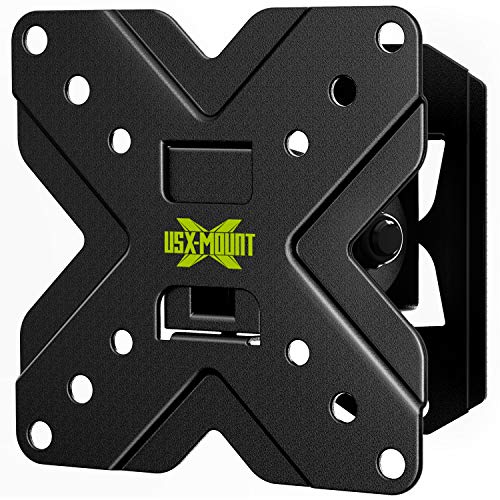
Securing an 83-inch or 97-inch television requires specialized hardware and strict adherence to structural installation safety. While compact ceiling brackets such as the USX STAR Ceiling TV Mount for 26-65 inch Flat accommodate mid-size displays up to 110 pounds, large-format panels demand substantial wall reinforcement. An 83-inch OLED television frequently weighs between 80 and 100 pounds without its pedestal stand, utilizing VESA mounting patterns spanning 400×400 millimeters or larger. Mounting brackets must anchor directly into solid wood studs or masonry rather than drywall anchors alone.
Physical handling during unboxing and lifting presents significant mechanical risk to ultra-thin glass panels. Because OLED panels lack thick backlight modules, the upper sections of the display chassis consist of razor-thin glass without structural framing. Attempting to lift an 83-inch panel by gripping the upper corners can bend or crack the delicate substrate. Safe installation requires at least two individuals supporting the chassis from the reinforced lower housing and bottom bezel. Always consult manufacturer manuals for correct lifting points and verify bracket weight limits before attaching hardware.
Audio Integration: Soundbar Clearance vs Built-in Acoustic Drivers
An expansive picture feels incomplete without an audio stage capable of matching its grand scale. Many modern ultra-thin televisions incorporate compact downward-firing speakers that struggle to produce deep low-end frequencies or wide spatial dispersion in large rooms. However, select flagship displays utilize screen-vibrating actuator technology to produce sound directly from the glass panel itself. This acoustic design aligns spoken dialogue with the actors on screen, creating an engaging soundscape without separate speaker enclosures.
For dedicated home theater installations, pairing a massive screen with an external Dolby Atmos soundbar or multi-channel AV receiver delivers the most convincing immersion. When using a tabletop stand, buyers should measure the vertical clearance between the bottom bezel and media furniture to ensure a soundbar does not obstruct the IR sensor or lower picture area. Reading our guide to televisions engineered for superior audio quality helps clarify whether built-in drivers or dedicated external audio systems best suit your entertainment layout. Proper audio staging prevents spacious visual scenes from sounding confined.
Long-Term Panel Care, Power Routines, and Burn-In Safeguards
Protecting a substantial display investment requires sensible daily habits and an understanding of automated maintenance cycles. Modern emissive televisions incorporate intelligent routines designed to prevent permanent image retention and subpixel wear. Short pixel compensation cycles run automatically in the background when the television enters standby mode after several hours of cumulative use. For this reason, users should never connect an OLED television to a switched wall outlet or smart plug that cuts mains power completely when turned off.
Enabling built-in safeguards like pixel shifting and logo luminance adjustment reduces the stress caused by static broadcast news banners and gaming interface elements. For routine physical maintenance, clean the screen surface gently using a dry, clean microfiber cloth without applying harsh chemical solvents, ammonia, or alcohol. These household liquids can permanently strip specialized anti-reflective optical coatings from the glass surface. Premium manufacturers back their large-format flagship panels with multi-year warranties that specifically cover image retention, providing peace of mind for heavy daily use.
Balancing Screen Size Against Panel Tier Investments
Deciding between the largest available screen and a slightly smaller flagship tier involves weighing immersion against peak picture attributes. Choosing an 83-inch WRGB model gives you breathtaking scale that transforms sports viewing and movie nights into memorable events. However, opting for a 65-inch or 77-inch display equipped with Micro Lens Array or Quantum Dot technology yields higher peak highlight luminance and richer color volume in sunlit living rooms. Buyers with brightly lit rooms and wide window banks may prioritize higher sustained brightness over sheer physical dimensions.
Dark-room theater rooms, by contrast, allow an 83-inch or 97-inch panel to perform at its absolute best without competing against window glare. The infinite contrast and pixel-level black control of emissive technology produce deep visual depth that back-lit displays cannot duplicate. Ultimately, matching your room lighting, viewing distance, and audio setup to the appropriate panel dimension ensures your centerpiece display delivers rewarding entertainment for years to come.



Write Your Review
No reviews yet. Be the first to share your experience!