


Compact living spaces and dedicated desktop battlestations often present a serious display dilemma when standard 55-inch screens overwhelm the room. Determining what is the best 48 inch oled tv requires balancing pixel density, gaming responsiveness, and panel brightness without sacrificing authentic black levels. Many buyers looking for smaller displays face compromised picture quality on edge-lit alternatives, but a 48-inch self-emissive panel preserves reference-grade contrast in smaller footprints. Shoppers weighing smaller screens against budget-friendly OLED televisions often discover that 48-inch units deliver flagship video processing in an adaptable form factor.
Modern panels in this compact category bring high-speed gaming capabilities, advanced image processors, and dedicated HDR handling right to your desk or bedroom wall. Premium manufacturers like LG, Sony, and Samsung engineer these displays with near-instantaneous response times, variable refresh rate support, and sophisticated dynamic tone mapping. Understanding how panel architectures handle ambient reflections, thermal management, and full-screen brightness will help you select the ideal display for your media setup.

Pros
- Perfect black levels and ultra-wide viewing angles make movie watching exceptional in dark or dim rooms
- Fast 8.5ms input lag and smooth 4K 120Hz response make it double as a high-end gaming monitor
- Acoustic Surface Audio+ produces significantly clearer dialogue than standard down-firing TV speakers
- Cognitive Processor XR delivers some of the cleanest upscaling available for sub-4K cable and streaming content
- Compact 48-inch chassis fits easily into smaller living rooms, bedrooms, or dedicated gaming stations
Cons
- Peak screen brightness does not reach the high levels of modern Mini-LED sets in sunlit rooms
- Only two of the four HDMI ports support full HDMI 2.1 bandwidth, and one doubles as the eARC port
- Carries a premium price tag relative to entry-level LED televisions in the same size category
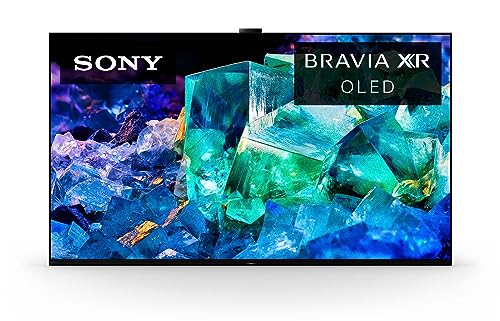
The Sony 48-Inch A90K BRAVIA XR OLED TV brings Sony's flagship display processing into a compact, versatile form factor. While many ultra-high-end OLEDs cater strictly to sprawling basement home theaters with huge diagonals, this 48-inch display is tailored for apartment dwellers, bedroom movie viewers, and dedicated gamers who want reference-grade picture quality without dominating an entire wall. Powered by the Cognitive Processor XR, it analyzes visual elements the way human eyes perceive them, maximizing realistic depth, fine detail, and smooth color gradation whether you are watching sports or streaming cinematic releases.
Contrast performance is where this screen truly shines. Because each self-lit OLED pixel can switch off completely, viewing films in a dark room yields pure, ink-like blacks with zero backlight haloing or blooming around bright subtitles. Sony's XR OLED Contrast Pro and XR Triluminos Pro work together to maintain vibrant color saturation and natural skin tones even in high-contrast HDR scenes. For movie buffs, full support for Dolby Vision, IMAX Enhanced, and Netflix Adaptive Calibrated Mode ensures films look faithful to studio mastering monitors. Standard cable broadcasts and vintage HD movies also benefit from Sony's refined database upscaling, ensuring clean edges without harsh digital noise.
Console and PC gamers will appreciate the comprehensive gaming toolset packed into this chassis. Equipped with HDMI 2.1 inputs, the TV supports 4K gaming at 120Hz, Variable Refresh Rate (VRR), and Auto Low Latency Mode (ALLM), yielding responsive controls with input lag dropping as low as 8.5ms. If you pair this set with a PlayStation 5, the TV unlocks automated synergy via Auto HDR Tone Mapping and Auto Genre Picture Switch, dialing in optimal HDR curves during initial console setup. Sony's unified Game Menu provides rapid access to black equalizer adjustments, crosshair overlays, and motion blur settings without pulling you out of the action.
Built-in audio on slim flat panels often feels thin and muffled, but Sony addresses this with Acoustic Surface Audio+ technology. Dual electromagnetic actuators vibrate the glass screen directly, projecting sound directly from the exact location where dialogue or sound effects occur on-screen. A built-in subwoofer adds meaningful low-end presence, making dialogue crisper and action sequences fuller without an immediate requirement for an external soundbar. On the software side, Google TV organizes content libraries across Prime Video, Disney+, Netflix, and Apple TV seamlessly, supported by responsive voice commands through Google Assistant and effortless casting via Apple AirPlay 2.
A few practical trade-offs are worth noting before making a purchase. While OLED technology offers unmatched contrast and wide viewing angles, its overall peak luminance cannot rival high-output Mini-LED panels, meaning it performs best in light-controlled spaces rather than living rooms flooded with midday sun. Furthermore, only two of the four HDMI ports provide full HDMI 2.1 bandwidth, and one of those doubles as your eARC audio port for a sound system. Even with those considerations, the Sony A90K stands out as a top-tier choice for enthusiasts who demand zero compromises in picture accuracy, motion clarity, and console responsiveness within a versatile 48-inch footprint.
Powered by the Cognitive Processor XR, the A90K delivers picture performance that closely mirrors reference studio monitors. Because each of the millions of individual OLED pixels emits its own light, black levels are absolute. This completely eliminates the haloing, blooming, and backlight bleed common to traditional edge-lit or full-array LED displays, making night scenes in films remarkably rich and atmospheric.
Color reproduction is handled by XR Triluminos Pro, which produces a broad color spectrum with realistic saturation and delicate skin tones. Rather than simply boosting primary colors to appear vivid, the processor enhances subtle color shifts and fine textures. High dynamic range content mastered in Dolby Vision looks strikingly balanced, with bright highlights popping cleanly against dark backgrounds without washing out shadow details.
The Sony A90K serves as a high-performance monitor alternative for PC battlestations and current-generation gaming consoles alike. With two full-bandwidth HDMI 2.1 ports, the display accepts 4K feeds at a fluid 120Hz refresh rate. Variable Refresh Rate (VRR) eliminates screen tearing during frantic gameplay, while Auto Low Latency Mode (ALLM) automatically switches the screen to game mode when a console boots up.
PlayStation 5 users benefit from exclusive BRAVIA XR optimizations. Auto HDR Tone Mapping configures the console's HDR settings instantly during setup to capture high-contrast detail in bright skies and dark tunnels. An integrated on-screen Game Menu lets players toggle motion blur reduction, adjust black levels to spot enemies lurking in dark corners, and display a persistent aiming crosshair without leaving the game.

Pros
- True OLED contrast with absolute black levels and zero backlight bleed
- Excellent gaming responsiveness with 120Hz refresh rate, VRR, and low latency
- Powerful AI upscaling breathes new life into standard HD cable and streaming content
- Pantone-validated color accuracy delivers realistic visuals right out of the box
- Ideal 48-inch size for space-conscious living rooms, bedrooms, or dual-purpose desktop setups
Cons
- Peak full-screen brightness may be less punchy than Mini-LED displays in sun-drenched rooms
- OLED panels require reasonable care to prevent static image retention over prolonged periods
- Built-in speakers provide clear dialogue but lack deep low-end bass for an authentic home theater punch
The Samsung 48-Inch Class S85H Series OLED 4K Smart TV brings premium self-illuminating display technology to a versatile form factor that fits into spaces where massive screens cannot. Powered by Samsung's NQ4 AI Gen2 processor, this television utilizes individually controlled OLED pixels that switch off completely to produce infinite contrast and absolute black levels. Whether upgrading a secondary entertainment nook or searching for a dedicated high-end monitor replacement, this television blends modern display engineering with responsive smart functionality.
This screen size makes the S85H exceptionally well-suited for apartment renters, college dorm gaming rigs, bedroom TV setups, and home theater enthusiasts working with limited square footage. Avid movie buffs will appreciate the cinematic fidelity during dark-room viewings, while console and PC gamers gain a desktop-friendly display that matches high-end graphics cards. It also serves busy families and cord-cutters who want straightforward access to their favorite streaming platforms without dealing with external streaming sticks.
In terms of picture quality, the OLED HDR capability ensures bright highlights pop against rich, shadow-filled backgrounds without any blooming or backlight halos. Color reproduction stands out thanks to Pantone validation and Samsung's Color Booster Pro, which keeps human skin tones natural while preserving lush landscapes and dynamic neon palettes. The onboard NQ4 AI Gen2 processor handles 4K AI upscaling smoothly, refining low-resolution broadcasts, sports streams, and older digital movies so they appear crisp on the 4K panel.
Gamers will find plenty to like with the Premium Gaming Pack features, which include Motion Xcelerator 120Hz support alongside AMD FreeSync Premium and NVIDIA G-SYNC compatibility. These technologies coordinate to reduce screen tearing, stutter, and input lag during fast-paced first-person shooters or competitive sports simulations. Quick response times inherent to OLED technology keep fast action clear and fluid, making gaming marathons or Sunday football watch parties feel smooth and responsive.
Setup and daily usability remain straightforward with Samsung's Tizen operating system, which provides instant access to major services including Netflix, Disney+, Prime Video, and YouTube. The Graphite Black frame features slim bezels and a tidy footprint that mounts cleanly to standard VESA brackets or rests securely on media furniture. Built-in speakers provide crisp vocal delivery for everyday sitcoms and news broadcasts, though home cinema fans will likely want to connect a dedicated soundbar through eARC for richer bass and expansive audio depth.
While OLED panels may not match the blinding peak brightness of high-end Mini-LED screens in rooms with intense midday sunlight, the S85H excels in moderate to dim viewing environments where its contrast truly shines. For movie buffs, competitive gamers, and homeowners looking for uncompromising OLED visual quality in a practical 48-inch profile, the Samsung S85H represents a well-balanced home entertainment investment.
The core attraction of the Samsung S85H is its self-emissive OLED panel, where every single pixel generates its own light. This architecture allows black areas of an image to achieve absolute darkness with zero light leakage, giving starry night skies, space sci-fi epics, and moody horror films remarkable depth and three-dimensional realism.
Samsung pairs this panel with Pantone validation and Color Booster Pro, ensuring that color gradients transition smoothly and tones remain authentic to filmmaker intent. The NQ4 AI Gen2 processor continuously monitors the incoming video feed, applying intelligent scene-by-scene adjustments to maintain highlight detail and upscale lower-resolution sports and cable broadcasts into sharp 4K presentations.
Designed to cater to demanding console and PC players, the S85H comes equipped with Samsung's Premium Gaming Pack. With a native 120Hz refresh rate and Motion Xcelerator technology, fast pans and rapid camera movements maintain high clarity without jarring motion blur.
Support for AMD FreeSync Premium and NVIDIA G-SYNC compatibility ensures variable refresh rates align smoothly with modern gaming consoles and PC graphics cards. Near-instantaneous OLED pixel response times paired with low input lag give competitive players a tangible advantage in reaction times and overall controller responsiveness.


Pros
- Exceptional black levels and pixel-level contrast ideal for evening movie marathons
- Fast 120Hz refresh rate with VRR and ALLM provides smooth, responsive gaming
- Google TV with Gemini offers snappy navigation, smart home controls, and hands-free voice assistance
- Wide OLED viewing angles ensure crisp colors and contrast from any seat in the room
- Two-way adjustable stand accommodates external soundbars with ease
Cons
- OLED peak brightness may struggle against harsh direct sunlight in sun-drenched rooms
- Built-in speakers lack deep bass impact, making an external soundbar advisable for big movie sound
- Smaller 48-inch screen size may feel undersized for sprawling living rooms or large basement setups
The Sony BRAVIA 6 (K-48A60) is a premium 48-inch 4K OLED smart television engineered to bring flagship display performance into space-conscious environments. Designed for movie lovers, console gamers, apartment renters, and home theater fans setting up a secondary cinema or bedroom entertainment hub, this compact screen balances high-grade visual reproduction with modern convenience. Its modest footprint makes it an appealing choice for dorms, home offices, and cozy living rooms where a massive 65-inch or 75-inch screen would overwhelm the space.
Picture quality stands out as the primary highlight, thanks to over eight million self-lit OLED pixels that produce true, inky blacks and infinite contrast. Unlike standard backlit LCD screens, there is zero light bleed or haloing around bright subtitles or starry skies. Sony pairs this individual panel control with its Triluminos Pro color mapping, which unlocks over a billion natural shades. Factory calibration on each unit ensures out-of-the-box color fidelity, while real-time ambient light sensors adjust screen brightness automatically to match your room lighting. With Dolby Vision and Sony Pictures Core with Pure Stream on board, late-night movie screenings feel genuinely cinematic.
Video game enthusiasts will find plenty to appreciate here, especially console owners looking for responsive low-latency play. The display is equipped with HDMI 2.1 ports capable of handling 4K resolution at 120Hz, alongside Variable Refresh Rate (VRR) and Auto Low Latency Mode (ALLM). Sony adds Source-Based Tone Mapping (SBTM), making it particularly well matched for the PlayStation 5. Fast-paced action titles, first-person shooters, and racing simulations benefit from the instantaneous pixel response times inherent to OLED panels, resulting in crisp motion without noticeable ghosting or blurring.
On the software side, the television runs Google TV, enhanced with Gemini AI voice interaction. This setup makes discovering shows across major platforms like Netflix, Disney+, and Prime Video feel seamless, allowing you to ask conversational questions to find tailored recommendations. Built-in support for Dolby Atmos and DTS:X provides clear audio processing, though the physical constraints of a thin 48-inch chassis mean low-frequency bass punch is relatively modest. Pairing the set with a dedicated soundbar or audio system helps match the impressive visual scale.
Everyday usability and physical build are thoughtfully engineered. The flush, narrow bezel keeps your gaze fixed on the picture, while the two-position stand can be raised to slide an external soundbar neatly underneath without obstructing the screen. At roughly 27.6 pounds, it is easy to mount using standard VESA brackets or place atop media consoles. While prospective buyers should be mindful that OLED panels generally reflect direct sunlight more than high-output Mini-LED displays, this television is a remarkable pick for anyone wanting reference-level contrast, sharp gaming performance, and reliable streaming in a versatile 48-inch form factor.
Console and PC gamers looking for a high-performance desktop or bedroom monitor setup will appreciate the robust feature set of the Sony BRAVIA 6. Full support for 4K gaming at 120 frames per second ensures high-speed movement appears crisp and responsive on screen.
The inclusion of Variable Refresh Rate (VRR) and Auto Low Latency Mode (ALLM) eliminates screen tearing and minimizes input delay automatically when a game console is detected. For PlayStation 5 owners, Source-Based Tone Mapping (SBTM) ensures HDR settings configure instantly without tedious manual screen calibration.
The core strength of the BRAVIA 6 lies in its individual self-lit OLED pixels. Because each pixel switches completely off to display black, contrast levels are practically infinite, giving dark movie scenes unmatched depth and dimension.
Triluminos Pro enhances standard HDR content by rendering nuanced color gradients, avoiding the oversaturated look common to budget panels. Thanks to broad OLED viewing angles, colors stay rich and accurate whether you are sitting dead center or viewing from the side of the room.

Pros
- Self-illuminating pixels deliver infinite contrast ratio and zero light bleed around subtitles
- Ultra-fast 144Hz refresh rate and four HDMI 2.1 inputs ideal for PS5, Xbox Series X, and PC gaming
- a9 AI Gen7 processor provides crisp upscaling for sports, cable broadcasts, and older streaming content
- Magic Remote with point-and-click navigation and built-in Alexa makes voice search fast and natural
- Wide viewing angles preserve full color and contrast from any seat in the room
Cons
- OLED panels are not as bright in direct sunlight compared to high-end Mini-LED displays
- Built-in speakers lack deep low-end bass, making an external soundbar preferable for large spaces
- 48-inch size carries a premium price point per inch compared to entry-level LED models
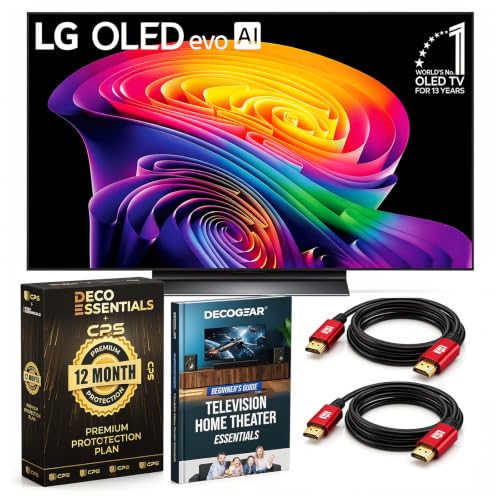
The LG OLED48C4PUA represents the 2024 evolution of LG's acclaimed C-series, combining a compact 48-inch OLED evo display with premium processing and gaming specs. This television is an ideal option for apartment dwellers, bedroom home theater setups, PC battlestation owners, and console gamers who want flagship visual performance without the massive footprint of a 65-inch or 77-inch screen. Whether you are setting up an intimate media room, a dedicated gaming station, or a secondary screen for late-night viewing, this model provides top-tier display technology tailored for high performance in tighter spaces.
Picture quality remains the hallmark of LG's OLED engineering. With over eight million self-lit pixels, the display turns off completely to render true, ink-like blacks alongside rich highlights, resulting in near-infinite contrast. The panel achieves 100% color volume and fidelity, meaning vibrant movie scenes in Dolby Vision and HDR10 appear rich and lifelike rather than washed out. Driving this visual experience is the a9 AI Processor Gen7, which uses AI Super Upscaling to sharpen lower-resolution cable broadcasts, vintage movies, and compressed YouTube feeds into clean, detailed 4K presentations while suppressing noise and motion judder.
Gamers will find an impressive suite of features rarely found on standard TVs. With an upgraded 144Hz refresh rate, an ultra-low 0.1ms response time, and certified support for NVIDIA G-Sync, AMD FreeSync Premium, and Variable Refresh Rate (VRR), fast-moving gameplay feels exceptionally fluid and free of screen tearing. LG equips this TV with four full-bandwidth HDMI 2.1 ports, ensuring you can connect a PlayStation 5, Xbox Series X, gaming PC, and an eARC audio device simultaneously. The on-screen Game Optimizer menu provides quick adjustments for black stabilizers, frame rate tracking, and low-latency input modes.
Daily navigation runs on webOS 24, providing seamless access to primary streaming applications like Netflix, Disney+, Prime Video, and Apple TV, along with over 300 free channels via LG Channels. The TV includes LG's Magic Remote, which offers intuitive point-and-click operation and built-in Alexa voice control for effortless searches. LG also guarantees software support through the webOS Re:New program, ensuring system upgrades for five years. On the audio side, the built-in speakers handle everyday sitcoms and news dialogues clearly with Dolby Atmos virtual spatialization, though movie buffs may want to pair it with a dedicated soundbar for deeper bass.
While the OLED evo panel offers improved brightness over prior generations, it still cannot rival the raw peak light output of top Mini-LED sets in rooms with direct, uncurtained sunlight. Additionally, users in open floor plans might find the 48-inch screen size modest for distant viewing couches. However, for buyers seeking reference-grade black levels, outstanding viewing angles, and unmatched gaming versatility in a space-conscious size, this C4 series display is an outstanding investment that delivers flagship visual performance for years to come.
The 48-inch C4 model stands out as one of the most capable gaming displays on the market. With support for up to a 144Hz refresh rate and a virtually instantaneous 0.1ms pixel response time, high-speed titles benefit from razor-sharp motion clarity without ghosting or blurring.
Equipped with four full-bandwidth HDMI 2.1 inputs, the TV handles 4K gaming at 120Hz or 144Hz across multiple consoles and high-end graphics cards. Broad compatibility with NVIDIA G-Sync, AMD FreeSync Premium, and Auto Low Latency Mode (ALLM) guarantees tear-free rendering and responsive control during competitive play.
The dedicated Game Dashboard and Game Optimizer overlays allow users to fine-tune picture presets by genre, tweak dark room levels, and monitor active frame rates on the fly without exiting the game.
Because each pixel emits its own light, the LG C4 produces perfect black levels with zero blooming or light bleed, making starry night skies and high-contrast movie scenes look breathtaking. The panel maintains complete contrast integrity even when viewed from wide off-center angles.
Support for Dolby Vision and FILMMAKER MODE allows viewers to experience movies exactly as directors intended, preserving original frame rates, aspect ratios, and color balances. The integrated a9 AI Processor Gen7 continually analyzes content frame-by-frame, applying intelligent depth enhancement and dynamic tone mapping for optimal realism.
Evaluating 48-Inch OLED Displays for Gaming, Cinema, and Compact Spaces
Answering what is the best 48 inch oled tv depends heavily on your primary use case, room illumination, and hardware ecosystem. A dedicated PC gamer chasing rapid response times has fundamentally different requirements than a film enthusiast seeking pristine 24p cinematic cadence in a darkened bedroom. The 48-inch display category has evolved into a versatile segment where premium manufacturers pack their most advanced image processing and gaming bandwidth into an adaptable footprint. Evaluating panel refresh capabilities, video processing chipsets, and port bandwidth helps pinpoint the ideal screen for your specific viewing environment.
Why 48-Inch OLED Panels Exist and How Mother Glass Cuts Dictate Size
Display glass manufacturing relies on standardized substrate sheets called mother glass, which determines the diagonal dimensions of modern televisions. Factories utilize Gen 8.5 production lines to slice glass efficiently, pairing 48-inch panels with 77-inch cuts on the same substrate through multi-model glass manufacturing. This industrial process explains why consumers never see 43-inch or 50-inch OLED televisions on store shelves. Buyers migrating from legacy 40-inch or 50-inch LCD displays must transition to either 42-inch, 48-inch, or 55-inch form factors to match authentic self-emissive panel cuts.
Slicing smaller panels from large mother glass sheets allows display makers to deliver uncompromised pixel precision without engineering entirely separate manufacturing facilities. When comparing 48-inch screen real estate to expansive living room setups, buyers who inspect large-format OLED panels quickly realize that smaller mother glass cuts offer a tighter pixel density suited for closer viewing distances. This compact cut preserves every hallmark of emissive display engineering, including independent pixel shutoff and infinite contrast ratios. Choosing a 48-inch panel gives you genuine flagship panel engineering tailored for tighter physical dimensions.
Pixel Density Advantages for Near-Field Desktop and Bedroom Viewing
Packing 3840 by 2160 pixels into a 48-inch diagonal creates an impressive pixel density of roughly 92 pixels per inch. This concentration produces exceptionally sharp fine text, tight geometric vectors, and refined textures that larger living room displays cannot replicate at close range. Desktop users sitting three to four feet from the display gain immense visual immersion without spotting individual pixel grids or screen door artifacts. Standard 65-inch or 77-inch screens viewed at identical desktop distances reveal noticeable subpixel structure and cause severe neck strain during extended sessions.
Bedroom installations also reap substantial benefits from the refined pixel structure of a 48-inch screen. Viewers sitting six to eight feet away enjoy crisp 4K detail where high-frequency textures and subtle facial details remain completely coherent. Compact spaces prevent viewers from pushing seating further back, making proper panel scaling crucial for natural viewing comfort. A 48-inch footprint provides ample cinematic scale while keeping peripheral eye movement comfortable during long movies or intense gaming marathons.
Video Processing Engines and Upconversion Performance Across Leading Brands
Image processors dictate how effectively a display upscales compressed streaming content, clears low-bitrate artifacts, and controls color banding. Sony equips models like the Sony 48 Inch A90K BRAVIA XR 4K HDR TV OLED with the Cognitive Processor XR, which utilizes cross-analysis algorithms to enhance focal depth and natural skin textures. The newer Sony 48 Inch BRAVIA 6 OLED 4K HDR Smart Google TV integrates Google TV with Gemini alongside Triluminos Pro color palettes to deliver accurate tonal shifts across subtle gradients. Sony processors excel at smooth motion cadence, removing low-frame-rate 24p judder from classic films without generating an artificial soap opera look.
LG takes a graphics-centric path with dedicated artificial intelligence engines across its diverse model tiers. The LG 48-Inch OLED evo AI 4K C6 Series Smart TV features the a11 AI Processor 4K Gen3, which provides significant neural processing leaps and AI Super Upscaling for pristine edge reconstruction. The LG 48-Inch Class OLED evo C4 Series Smart TV 4K harnesses the a9 AI Processor Gen7 to deliver remarkable scene-by-scene dynamic tone mapping and crisp background separation. Even earlier iterations like the LG OLED C1 Series 48” Alexa Built-in 4k Smart TV utilize the a9 Gen 4 engine, demonstrating long-standing mastery of real-time image cleaning and near-black gradation control.
Samsung enters this screen class with its proprietary NQ4 AI Gen2 Processor on the Samsung 48-Inch Class S85H Series, OLED, 4K. This chipset uses real-time neural networks to optimize high-contrast scenes, boost color depth, and sharpen lower-resolution cable broadcasts. Pantone Validated color accuracy ensures realistic skin tones and faithful scenic palettes straight out of the box. Samsung algorithms analyze incoming frames continuously, adjusting local tone curves to reveal hidden shadow details without washing out baseline black levels.
Gaming Capabilities: Refresh Rates, Input Latency, and HDMI 2.1 Bandwidth
Gaming enthusiasts often gravitate toward 48-inch displays because they combine expansive screen real estate with desktop-grade responsiveness. Self-emissive OLED pixels switch states in approximately 0.1 milliseconds, virtually wiping out motion blur and smearing behind fast-moving sprites. Dedicated Game Mode keeps controller feedback tight and immediate, keeping latency well below 10 milliseconds on modern inputs. Variable Refresh Rate technologies, including Nvidia G-Sync Compatible and AMD FreeSync Premium, eliminate frame tearing across volatile frame rates on both PC rigs and modern consoles.
Refresh rates continue to climb beyond traditional television boundaries on newer display generations. The LG C4 platform supports fluid 144Hz refresh rates, while the LG C6 advances refresh rates up to 165Hz for elite high-frame-rate PC gaming. Sony models, such as the BRAVIA 6 and A90K, cap native refresh rates at 120Hz while incorporating exclusive PlayStation 5 features like Auto HDR Tone Mapping and Auto Genre Picture Switch. The Samsung S85H series integrates Motion Xcelerator 120Hz technology, ensuring seamless tear-free frame synchronization during intense competitive multiplayer matches.
Port bandwidth and input allocation represent critical decision points when organizing multiple source devices. Modern LG C-series models provide four full-bandwidth HDMI 2.1 ports capable of handling uncompressed 4K signals at maximum frame rates simultaneously. Certain Sony chassis, by contrast, supply two full-bandwidth HDMI 2.1 connections while reserving the remaining ports for standard HDMI 2.0 speeds. Sharing the dedicated eARC soundbar connection on one of those high-bandwidth ports can force gamers with multiple modern consoles to juggle cables.
Dynamic HDR Ecosystems: Navigating Dolby Vision Against HDR10+ Support
Dynamic HDR metadata formats elevate home cinema by altering scene luminance and color instructions frame by frame. Dolby Vision remains the dominant dynamic standard across major streaming platforms like Netflix, Disney Plus, and Apple TV. Both LG and Sony build extensive Dolby Vision support across their 48-inch lineups, giving film buffs direct access to reference-level master grades. FILMMAKER MODE on LG panels automatically disables edge enhancement and motion smoothing, presenting cinematic content precisely as directors intended.
Samsung takes a divergent path across its entire display ecosystem by omitting Dolby Vision in favor of HDR10+. The Samsung S85H utilizes HDR10 and HDR10+ to map dynamic highlights, which performs admirably on compatible platforms such as Amazon Prime Video. Streaming titles encoded strictly in Dolby Vision default to static base HDR10 on Samsung screens, losing granular frame-level brightness guidance. Buyers committed to specific streaming libraries should audit their preferred services before settling on a permanent panel format.
Automatic Brightness Limiting and Ambient Daylight Management
Self-emissive organic panels require thermal and energy protection mechanisms known as Automatic Brightness Limiters, or ABL. Small specular highlights like streetlights or metallic reflections can flash with stunning intensity across 2% or 10% screen windows. Expansive white scenes like snowy tundras or bright hockey rinks trigger ABL algorithms to reduce sustained full-field luminance. This automatic dimming protects organic subpixels from thermal wear, though it can create a noticeable drop in perceived punch during sustained bright scenes.
Room placement plays a massive role in how viewer eyes perceive contrast and peak brightness limits. While viewers placing a screen directly opposite unshaded south-facing windows might lean toward high-output Mini LED displays to overpower heavy glare, modern OLED anti-reflective coatings maintain remarkable contrast in moderate ambient light. Advanced screen treatments scatter indirect glare across the panel surface to preserve deep black perception. Drawing ambient shades or positioning desk lamps away from the screen face allows the natural infinite contrast of OLED to shine without compromise.
Panel Longevity, Thermal Dissipation, and Burn-In Mitigation Routines
Persistent static graphics like broadcast news tickers or gaming health bars historically caused anxiety regarding permanent image retention. Modern 48-inch displays incorporate multi-tiered hardware and software safeguards designed to counteract uneven subpixel wear. Pixel shifting subtly relocates the displayed image by a few subpixels over time without disturbing the viewer. Targeted logo luminance reduction algorithms identify static visual overlays, automatically lowering brightness strictly across those specific pixel clusters.
Automated maintenance routines run silently behind the scenes whenever the television enters standby mode. Short compensation cycles activate after roughly four hours of cumulative viewing, evening out voltage variations across organic layers. Disconnecting the television completely from the wall outlet via switched power strips prevents these critical cleaning routines from executing properly. Keeping the unit plugged in and allowing integrated thermal dissipation structures to vent heat naturally maintains panel health across years of varied entertainment.
Soundbar Integration, Stand Ergonomics, and Physical Footprint Considerations
Physical desk and media console footprints vary significantly between competing 48-inch chassis designs. Sony models like the BRAVIA 6 feature thoughtful two-position adjustable stands that allow owners to raise the screen height for clean soundbar placement. The Sony A90K employs a low-profile pedestal stand that keeps the screen resting flush against the desk surface, which works beautifully for desktop monitor duty. Buyers planning to place external speakers directly beneath their screens must verify stand clearance dimensions prior to installation.
Wall mounting introduces another layer of architectural planning, particularly concerning recessed cable access and structural VESA patterns. The ultra-thin glass profiles of LG and Samsung screens require delicate handling during unboxing and bracket installation. Applying direct pinch pressure to borderless display edges during lifting can crack glass substrates or detach internal ribbons. Always utilize a two-person lift, hold the structural chassis rather than thin upper glass, and confirm your chosen wall mount matches the standard VESA spacing on the television rear housing.
Realistic Price Floors and Budget Expectations in the Compact OLED Tier
Market pricing for self-emissive displays reflects the intricate engineering and precision manufacturing required to build organic panels. Shoppers hoping to locate brand-new OLED televisions priced at budget-bracket entry points will find that factory-sealed units do not exist at those artificial price tiers. Slicing complex mother glass substrates, integrating dedicated AI processors, and incorporating high-bandwidth HDMI controllers establish realistic baseline entry floors. Finding genuine value in this category involves timing seasonal retail sales or exploring previous-generation clearance inventory.
Patience pays substantial dividends when searching for premium 48-inch hardware without paying brand-new flagship launch premiums. Previous-year workhorses like the LG C4 or clearance inventory of earlier generations routinely dip into accessible entry-tier pricing brackets. Factory-refurbished models with certified manufacturer protections offer another viable pathway for budget-conscious cinephiles. Comparing bundled protection packages and included high-speed cabling accessories can further maximize overall value while securing reference-tier picture quality.
Determining the ideal 48-inch OLED ultimately rests on aligning panel strengths with your entertainment environment. Film enthusiasts prioritizing cinematic processing and dynamic Dolby Vision metadata will find exceptional fidelity in Sony and LG offerings. Dedicated PC and console gamers will naturally appreciate the blazing refresh rates and multi-port HDMI 2.1 bandwidth native to LG C-series hardware. Carefully weighing room lighting conditions, port connectivity demands, and physical stand profiles ensures your chosen display provides breathtaking contrast and lasting reliability.


Write Your Review
No reviews yet. Be the first to share your experience!