


Connecting a new media player or powering on a fresh television often leads to unexpected resolution bottlenecks. Many viewers discover that their content remains locked at standard 1080p high definition even after mounting an Ultra HD television. Learning how to make roku tv 4k requires verifying both your physical connections and the internal software parameters governing your video output.
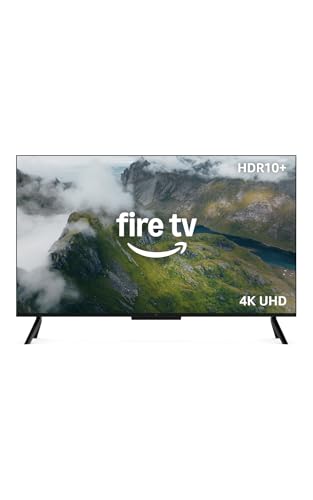
Modern home theater hardware relies on coordinated handshakes between television ports, digital copyright protections, and streaming services. A single misconfigured menu setting or an outdated cable can prevent your display from unlocking four times the pixel density of standard high definition. Exploring modern streaming television displays demonstrates how proper digital calibration allows compatible hardware to present vivid Ultra HD imagery with rich dynamic range.

Pros
- Brilliant 4K playback with HDR10+ compatibility enhances movie nights and sports streaming.
- Discreet plug-in design hides behind the TV without blocking adjacent HDMI ports.
- All-in-one voice remote eliminates the need to juggle separate TV power and volume remotes.
- Roku platform offers responsive navigation and a massive selection of free and premium channels.
- Simple setup makes it ideal for upgrading older smart TVs, bedroom displays, or guest room setups.
Cons
- Lacks Dolby Vision support, which some high-end 4K home theater owners might prefer.
- Requires a wall outlet adapter if your TV USB port provides insufficient power.
- Does not include an integrated Ethernet port, relying entirely on home Wi-Fi connectivity.
The Roku Streaming Stick Plus is a dedicated 4K streaming media player engineered to modernize any television setup with fast access to digital entertainment. It caters directly to cord-cutters, apartment dwellers, movie enthusiasts, and busy families who want an intuitive smart TV experience without replacing their current display. Whether you are outfitting a primary living room screen, a guest bedroom display, or a college dorm TV, this compact dongle provides a straightforward streaming upgrade.
On the video performance front, the device streams in ultra-high-definition 4K resolution and supports HDR10+ formatting. When connected to a compatible 4K TV, viewers can expect rich contrast, accurate color rendering, and sharp picture clarity during family movie nights or weekend sports streaming sessions. The HDR processing helps preserve highlight details in bright daylight scenes and prevents shadow crushing in darker dramatic films, providing a noticeable visual lift over standard 1080p streaming sticks.
At the heart of the experience is the renowned Roku operating system, which remains one of the cleanest and easiest navigation interfaces on the market. Users get access to massive libraries of on-demand content, including Netflix, Disney+, Prime Video, and Max, alongside an extensive catalog of free ad-supported live television. The included voice remote speeds up searches across multiple services, while integrated TV power and volume controls eliminate everyday remote clutter on the coffee table.
From a hardware and design perspective, the stick form factor is built for convenience and clean installations. Measuring just under four inches in length, it slips neatly into any rear or side HDMI port without obstructing adjacent inputs, making it an excellent match for tight wall-mounted TVs. Power can often be drawn directly from a standard TV USB port, which minimizes visible cords. Built-in Wi-Fi connectivity handles multi-room wireless setups, making travel between home, hotel rooms, and vacation rentals seamless.
While the device excels at general streaming tasks, there are a few practical trade-offs to keep in mind. The unit relies entirely on wireless networking, meaning users with congested Wi-Fi routers cannot plug in a direct wired Ethernet cable without third-party adapters. In addition, home theater purists seeking advanced Dolby Vision mastering will need to look to higher-tier players, as HDR support here is focused around HDR10 and HDR10+. Some older TV USB ports might also fail to deliver enough amperage, necessitating the use of a standard wall outlet.
Overall, the Roku Streaming Stick Plus represents an exceptionally practical purchase for streamers, sports fans, and families seeking dependable 4K performance at an accessible price. It transforms sluggish, outdated smart TV interfaces into responsive entertainment hubs with minimal physical footprint. For everyday living room viewing, secondary bedroom displays, or portable streaming on the go, this stick delivers strong everyday value.
The Roku OS interface provides a clutter-free, customizable home screen where your favorite streaming apps sit front and center. You can quickly launch major platforms like YouTube, Hulu, Apple TV+, and ESPN without wading through aggressive full-screen banner advertisements.
Cord-cutters benefit from deep integration with The Roku Channel, offering hundreds of free live linear channels covering local news, weather, sports commentary, and classic sitcoms. Unified subscription management also allows you to consolidate billing across various premium services into a single profile.
The included voice remote allows users to press a button and speak natural commands to launch movies, locate favorite actors, or switch genres. Furthermore, its universal power and volume buttons sync directly with your television, streamlining daily TV operation down to a single handheld controller.
Setting up the Roku Streaming Stick Plus requires just a few minutes, making it well-suited for non-technical users and quick bedroom TV upgrades. You simply plug the stick directly into an available HDMI port on the back or side of your television.
For cable management, the stick can frequently run off a 5V USB port built into your TV using the included cable, eliminating the need to drop power cords down through walls or behind furniture. If your TV does not output sufficient USB power, the stick can easily be plugged into a nearby wall outlet.
Once connected, on-screen prompts guide you through Wi-Fi network pairing, account activation, and remote calibration for TV volume and power controls. Its slim footprint keeps neighboring HDMI slots completely unobstructed for gaming consoles or soundbars.

Pros
- Low-profile stick stays hidden behind the television and avoids blocking neighboring HDMI inputs.
- Convenient voice remote controls TV power and volume, eliminating the need for a secondary remote.
- Fast, responsive Roku interface with a customizable home screen and convenient live TV guide.
- Capable of drawing power directly from compatible TV USB ports for a truly wire-free appearance.
Cons
- Resolution tops out at standard 1080p HD, lacking 4K UHD and HDR support for advanced displays.
- Some older TVs with low-power USB ports may require an optional AC wall adapter.
- Lacks hands-free voice commands, requiring a press of the microphone button on the remote.
The Roku Streaming Stick HD is an ultra-compact media player engineered to modernize standard HDTVs, older flat panels, and secondary displays into fast, capable smart TVs. Based on product specifications and user feedback, this pocket-sized streamer is exceptionally well suited for apartment renters, college students in dorms, cord-cutters, and families outfitting a guest room, kids playroom, or master bedroom. Its discreet form factor plugs directly into any available HDMI port and remains completely hidden behind the television frame, making it a great pairing for clean wall-mounted installations.
When connected to standard 720p or 1080p high-definition television panels, the stick delivers crisp video playback and steady motion handling for everyday entertainment. While it does not support 4K resolution or HDR formats such as Dolby Vision or HDR10, HD sitcoms, network broadcasts, and streaming movies retain sharp detail and balanced color reproduction across compatible screens. Sports fans and news followers can watch live broadcasts with consistent frame pacing, avoiding noticeable judder as long as a stable home Wi-Fi connection is maintained.
At the center of the experience is Roku OS, celebrated for its uncluttered tile layout, speedy menu navigation, and minimal app loading lag. The included voice remote simplifies the entire living room setup by incorporating essential television power and volume controls, allowing you to retire the original TV remote for regular daily viewing. Voice search works smoothly to locate titles, actors, and specific genres without the tedium of on-screen typing. Audio is passed directly through HDMI to television speakers, soundbars, or AV receivers, preserving crisp dialogue clarity and dependable stereo separation.
In terms of build and design, the stick measures only 3.7 inches long, which prevents it from crowding adjacent HDMI ports or digital optical outputs on tight TV input panels. The ability to draw power directly from an adjacent USB port on your television helps maintain a neat aesthetic free of hanging wall cords. Dual-band Wi-Fi connectivity keeps streaming connections reliable even when the stick is nestled behind a dense TV chassis, and the lightweight construction holds up well for travelers who prefer having their own login credentials ready in hotel rooms.
Initial installation is remarkably straightforward: plug the stick into an HDMI port, connect the USB power lead, follow the on-screen network prompts, and sign into your streaming services. There are practical limitations to keep in mind, however. Because playback resolution caps out at HD, owners of 4K LED, QLED, or OLED home theater centerpieces will prefer a dedicated 4K model to take full advantage of their display panel. Additionally, certain older televisions with weak USB power output may prompt an on-screen warning, requiring connection to a standard wall outlet.
For budget-focused shoppers, bedroom setups, kitchen displays, or anyone seeking to upgrade an aging secondary TV, the Roku Streaming Stick HD delivers dependable performance and unmatched user convenience. It eliminates remote clutter, consolidates live sports and free streaming channels, and hides neatly out of sight behind your television frame.
The Roku operating system continues to stand out for its straightforward home screen and broad channel availability. Users can customize app placement to prioritize services like Netflix, Disney+, Hulu, and YouTube right at the top of the menu. Navigating between apps feels fluid, with fast launch times that outpace many sluggish built-in smart TV interfaces found on older televisions.
A standout feature is the Roku Sports Zone, which centralizes game times, broadcast networks, and streaming destinations for your favorite sports teams. Coupled with The Roku Channel, which offers hundreds of free ad-supported live television networks, local news feeds, and movies, the platform provides expansive content variety right out of the box without requiring expensive cable packages.
Installing the Roku Streaming Stick HD takes only a few minutes from unboxing to streaming. Its slim body slides directly into an open HDMI port without requiring bulky extension brackets in most television arrangements. Once inserted, connecting the included USB cable to your television USB port delivers operating power, keeping the entire entertainment space free from drooping cords.
The on-screen setup assistant guides you through connecting to your home Wi-Fi network and calibrating the voice remote to control your television brand for power and volume toggles. Roku account linking is handled quickly via a mobile device or browser, ensuring that your preferred channels and subscription preferences populate without complex manual entry.

Pros
- Smooth 4K HDR and Dolby Vision video playback with vibrant colors and clear contrast
- User-friendly Roku smart platform with instant access to thousands of free and paid streaming apps
- Reliable dual-band Wi-Fi for uninterrupted streaming during sports events and high-definition movies
- Voice remote simplifies TV control and channel navigation for users of all tech levels
- Helpful cable bundle makes it easy to hook up to your TV or home theater receiver right away
Cons
- Requires an available AC outlet and open HDMI port on your existing TV or receiver
- Lacks the built-in Ethernet jack found on the standard full-size Roku Ultra model
- External streaming box design takes up slightly more shelf space than a compact streaming stick
The Roku Ultra LT is a dedicated 4K HDR streaming media box designed to bring the fast, intuitive Roku OS platform to any modern television. Built to sit neatly alongside your display, soundbar, or home entertainment center, this player is an excellent match for cord-cutters, apartment renters, busy families, and movie lovers who want to replace slow, outdated built-in smart TV interfaces. Whether you are upgrading an older bedroom display or optimizing an expansive living room TV, this streamer provides immediate access to your favorite content with dependable speed.
Picture quality remains a core strength of this device, supporting 4K Ultra HD resolution, standard HDR, and Dolby Vision. When paired with a capable 4K OLED, QLED, or LED television, the player feeds vivid color rendition, balanced contrast, and sharp detail directly into your screen. High-action sports broadcasts and dynamic HDR movies stream with clear motion handling and minimal stutter. Audio support includes Dolby Atmos passthrough over HDMI, allowing home theater enthusiasts to enjoy multi-channel surround sound through a compatible AV receiver or dedicated soundbar system.
Everyday usability is powered by the celebrated Roku operating system, which remains one of the simplest and most responsive platforms on the market. Navigating between major streaming services such as Netflix, Prime Video, Disney+, Max, and YouTube feels snappy, with virtually no menu lag. The included Roku Voice Remote simplifies searching across multiple apps, adjusting TV volume, and toggling power without juggling multiple remotes. For late-night viewers or families with sleeping kids, the Roku mobile app offers private listening through headphones so you can watch movies without disturbing the household.
Measuring just a few inches across, the compact low-profile chassis sits discreetly on a media console or TV stand without creating clutter. Setting up the device is straightforward: simply connect the included HDMI cable to your TV, plug the unit into wall power, and follow the on-screen Wi-Fi setup prompts. The extra HDMI cable and USB extension cord provided in this bundle add welcome convenience, especially if your entertainment center has awkward cable angles or hard-to-reach inputs. Dual-band wireless networking helps maintain a strong, steady connection to your home router even during high-bandwidth 4K video playback.
While the Ultra LT delivers impressive value, potential buyers should note that it relies primarily on wireless connectivity, omitting the physical Ethernet port available on the step-up Roku Ultra. It also requires shelf space near your TV rather than plugging directly into an HDMI port like a streaming stick. Nevertheless, for budget-conscious shoppers, sports enthusiasts hosting game day, or home theater fans wanting Dolby Vision streaming without premium costs, the Roku Ultra LT stands as a dependable and accessible entertainment upgrade.
The Roku OS interface prioritizes clean organization, letting you customize your home screen grid with your favorite channels and free live TV options.
Universal voice search allows you to locate titles, actors, and directors across hundreds of streaming channels, showing you where content is free or lowest priced.
Compatible with Apple AirPlay, HomeKit, Google Assistant, and Amazon Alexa, this streaming box integrates smoothly into your existing smart home setup.
Connecting the Roku Ultra LT takes only minutes: plug the high-speed HDMI cable into any 4K-enabled HDMI port on your TV, connect the power adapter, and switch TV inputs.
The included bundle accessories, such as the extra HDMI cable and USB extension cord, provide flexible wiring solutions whether your TV is mounted on the wall or resting on a console.
Automatic display detection ensures that your television configures the optimal 4K, HDR, or Dolby Vision picture settings without complicated manual adjustments.
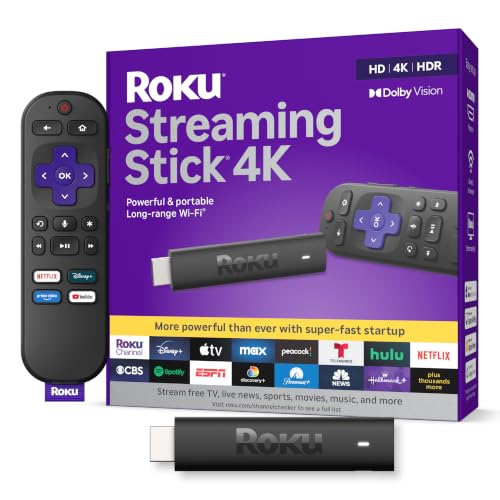
Pros
- Supports both Dolby Vision and HDR10+ dynamic formats for rich picture contrast on compatible displays
- Voice remote combines streaming navigation with TV power and volume controls for easy daily operation
- Slim stick form factor stays hidden behind wall-mounted TVs and does not crowd neighboring inputs
- Long-range wireless receiver maintains steady connections in rooms with weaker Wi-Fi reception
Cons
- Requires power from an external wall outlet or a powered USB port on the back of your television
- Does not include an integrated Ethernet port for wired home theater network connections without an adapter
- Final video quality and audio depth remain dependent on your television panel and sound hardware
The Roku Streaming Stick 4K is an ultra-compact media streaming device engineered to plug directly into an available HDMI port on modern flat-screen televisions. Designed to deliver an intuitive and fast entertainment experience, this compact player serves as an effortless upgrade for homeowners, apartment renters, and families dealing with slow or outdated smart TV operating systems. Whether you are setting up a dedicated media room, adding smart features to a secondary bedroom display, or turning an older 4K panel into a modern cord-cutting hub, this streaming stick provides immediate access to thousands of streaming services and free live TV channels.
Picture quality remains a central highlight based on manufacturer specifications and user impressions. With support for 4K Ultra HD at 60 frames per second alongside high dynamic range formats like Dolby Vision and HDR10+, the device allows compatible screens to showcase deep black levels, expanded contrast, and rich color accuracy. Streaming blockbuster films or high-profile sporting events on platforms such as Netflix, Disney+, or Prime Video reveals sharp textures and vibrant highlights. The included Roku operating system handles video decoding efficiently, ensuring smooth motion rendering and clean upscaling when viewing standard high-definition programming.
Practical design details make this stick especially appealing for neat home theater setups. Unlike bulkier streaming boxes that require tabletop shelf space, this device plugs flush behind the television, making it an excellent match for wall-mounted displays and minimalist entertainment centers. Its slim profile prevents obstruction of neighboring HDMI inputs, leaving ample room for gaming consoles, Blu-ray players, or soundbar eARC connections. The built-in long-range Wi-Fi receiver is embedded directly along the power cable, which helps minimize signal interference behind dense television chassis and keeps 4K video streams steady across household rooms.
Daily operation is straightforward thanks to the included Roku voice remote. Home viewers can power on the television, adjust audio volume levels, and mute playback directly from the handheld controller, significantly reducing coffee table clutter. The built-in voice search functionality allows users to locate specific actors, genres, or movie titles across various streaming libraries without typing on an onscreen keyboard. Navigation feels snappy, with rapid app launch times that make switching between live news broadcasts, workout videos, and family movie marathons quick and frustration-free.
While this streaming player excels in convenience, a few practical limitations exist. The device requires continuous power from either an included AC adapter or a sufficiently powered USB port on the back of the TV, which adds a short cable run. Home theater enthusiasts seeking hardwired gigabit networking will also note the absence of a native Ethernet port, requiring an optional USB adapter for wired internet. Nevertheless, for streamers, sports fans, and cord-cutters seeking reliable 4K picture quality, robust HDR support, and simple navigation at a reasonable price, the Roku Streaming Stick 4K represents one of the most dependable streaming upgrades available.
High dynamic range makes a noticeable difference when watching movies and prestige television series on modern 4K screens. The Roku Streaming Stick 4K features compatibility with both Dolby Vision and HDR10+, allowing your television to interpret dynamic scene-by-scene metadata for balanced brightness and shadow detail. This helps prevent bright skies from washing out while preserving shadow nuances in darker cinematic sequences.
Because the device automatically detects your display panel capabilities during initial setup, it optimizes the video signal without requiring complicated manual display adjustments. For movie lovers who stream across multiple platforms, having broad HDR format support ensures that content looks as close to the director vision as your television screen allows.
Setting up the Roku Streaming Stick 4K takes only a few minutes. You simply insert the stick into any open HDMI port on your television, connect the included power cable with the embedded Wi-Fi receiver, and plug the USB cable into a wall outlet or compatible USB power port. The on-screen wizard guides viewers through wireless network connection, display resolution detection, and remote programming for television volume and power controls.
The straightforward physical footprint also makes this streaming stick an exceptional choice for travel. Apartment dwellers and frequent travelers can quickly unplug the stick and take their customized subscriptions, watchlists, and settings to dorm rooms, hotel suites, or vacation rentals without needing to sign into unfamiliar smart TV platforms.

Pros
- Swift menu responsiveness and rapid application loading across major streaming platforms
- Comprehensive HDR support including Dolby Vision and HDR10+ alongside Dolby Atmos audio pass-through
- Ethernet jack and Wi-Fi 6 provide versatile, high-speed networking choices for smooth 4K playback
- Backlit, rechargeable voice remote eliminates recurring battery purchases and fumbling in dark home theaters
Cons
- Desktop box form factor requires dedicated shelf space compared to compact streaming sticks
- Demands an external AC wall outlet rather than drawing power directly from standard TV USB ports
- Advanced cloud gaming features are more limited compared to specialized gaming consoles
The Roku Ultra stands as a dedicated high-performance 4K streaming media player tailored to bring modern entertainment capabilities to any living room, bedroom, or dedicated media space. Designed specifically for cord-cutters, movie buffs, sports fans, and busy families, this tabletop unit breathes new life into existing displays by upgrading older smart TV interfaces with an intuitive, lag-free operating system.
Visual and audio performance remain central to the viewing experience. Based on product specifications, the device handles 4K resolution effortlessly while delivering high dynamic range content via Dolby Vision, HDR10+, and standard HDR10. When paired with a capable OLED, QLED, or Mini-LED display, viewers can enjoy deep black levels, wide color gamuts, and balanced highlight details across blockbuster films and live sporting events. For audio enthusiasts, Dolby Atmos pass-through feeds multi-dimensional sound directly to soundbars or AV receivers, ensuring dialogue clarity and deep surround immersion during movie nights.
Under the hood, the hardware provides a noticeably snappy experience, with apps launching rapidly and menus scrolling smoothly. Network stability is anchored by Wi-Fi 6 connectivity, which helps maintain steady bitrates even in homes with multiple active smart devices. Home theater owners who demand rock-solid connections can take advantage of the rear Ethernet port for wired streaming, eliminating buffering during big game live streams or 4K HDR marathons.
The included Roku Voice Remote Pro adds considerable day-to-day convenience to the entertainment setup. Built-in motion-sensing backlighting ensures you can navigate controls in a darkened home theater room without turning on lamps. Hands-free voice commands let viewers launch shows, adjust volume, or search titles across services using simple verbal prompts. Furthermore, the integrated rechargeable battery eliminates disposable battery waste, while the lost remote finder provides an easy way to locate the controller when it slips between couch cushions.
While the player offers substantial capabilities, practical considerations should be kept in mind. Unlike slim streaming sticks that tuck entirely out of sight, the Roku Ultra is a tabletop unit that requires a flat surface near the television, along with an available HDMI port and standard electrical wall outlet. Additionally, viewers interested in heavy cloud gaming services will find the platform focused primarily on video entertainment rather than graphics-intensive interactive gaming.
For apartment renters, suburban homeowners, and budget-conscious tech buyers who want a premium streaming hub without replacing an otherwise great television, the Roku Ultra offers tremendous value. Its blend of broad format support, dependable networking, and comfortable hands-free remote functionality makes it a standout choice for daily household viewing.
Roku OS remains celebrated for its straightforward, uncluttered home screen that lets users organize preferred apps such as Netflix, Max, Prime Video, and Apple TV quickly. The clean design helps families with kids and casual viewers find content without wading through confusing promotional menus or sponsored clutter.
Beyond subscription services, the platform provides direct access to hundreds of free live TV channels, local news, and weather broadcasts via The Roku Channel. Integrated voice controls allow quick cross-app search results, presenting choices based on pricing and platform availability so viewers avoid paying twice for movie rentals.
Private listening flexibility is enhanced with Bluetooth Headphone Mode, which enables direct wireless pairing between the box and your favorite Bluetooth earbuds. This makes late-night television watching, bedroom streaming, or high-volume action movies enjoyable without disturbing resting family members.
Setting up the Roku Ultra takes only a few minutes out of the box. Users simply connect a high-speed HDMI cable to an available port on their television or receiver, plug the power adapter into an outlet, and follow the on-screen guided setup instructions to connect to the home network.
Connectivity options are well suited for versatile home entertainment environments. The inclusion of Wi-Fi 6 delivers efficient wireless range and speed for homes with modern routers, while the physical Ethernet port provides a reliable wired alternative for basement home theaters where wireless signals may be weak.
The compact footprint measures roughly 5 inches across, allowing it to nestle cleanly beside soundbars, atop media consoles, or inside ventilated TV stands without generating clutter or requiring complicated mounting hardware.
Complete Guide to Configuring and Optimizing 4K on Roku Displays and Players
Unlocking Ultra HD resolution involves coordinating physical display hardware with digital source signals. Whether managing an integrated smart screen or an external streaming unit, outputting 3840 by 2160 pixels requires proper setup across software menus, physical ports, and account tiers. Following a systematic procedure ensures your system delivers crisp images without unexpected signal drops.
Physical Resolution Realities: Native Hardware Versus Output Scaling
Every television screen contains a fixed number of physical physical pixels embedded across its panel substrate. A native Ultra HD panel contains exactly 3840 horizontal pixels and 2160 vertical pixels, providing over eight million distinct points of light. If a television chassis contains an older 1080p panel, connecting an external Ultra HD player cannot physically alter the glass matrix to produce genuine 4K output.
When an Ultra HD player transmits a high-resolution signal to an older display, the television downscales the incoming feed to match its physical limit of 1920 by 1080 pixels. Downscaling prevents blank screens, but it eliminates the micro-detail that native Ultra HD panels produce. Verifying the original factory specifications of your television chassis represents the initial step before adjusting digital settings.
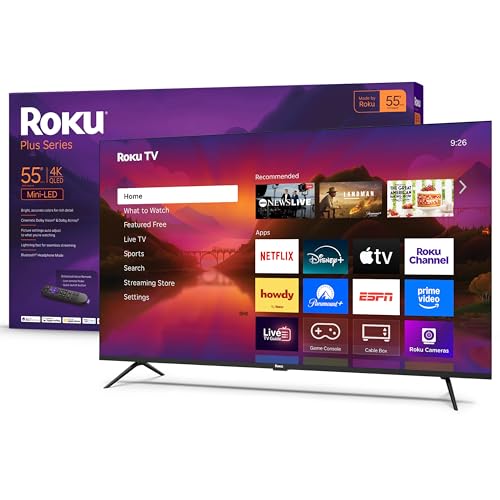
Owners of integrated smart televisions manufactured with Roku OS can confirm native screen capabilities directly on the exterior model sticker or via retail documentation. Sets built with 4K panels natively process higher pixel counts, whereas entry-level sets designed for smaller rooms may feature 720p or 1080p panels. Understanding the baseline hardware threshold prevents unnecessary troubleshooting when working with standard high-definition screens.
Navigating the Roku Display Type Menu for Ultra HD Detection
External streaming players and integrated smart televisions control video output formats through a central system calibration menu. You can begin adjustment by pressing the Home button on your remote control and scrolling down to highlight the Settings menu. From this interface, navigate into the Display type submenu to inspect available resolution parameters.
The operating system usually defaults to an automatic detection mode designed to negotiate panel capabilities during boot sequences. Selecting Auto detect prompts the device to analyze the connected display via digital handshake protocols. The software runs an active analysis routine to determine whether the television supports 4K at 30Hz, 4K at 60Hz, or advanced high dynamic range formats.
Manual selection becomes useful if the automated test selects 1080p unexpectedly. Highlighting 4K 60Hz TV or 4K HDR 60Hz prompts the system to display a test screen for several seconds. Confirming the prompt locks the new output standard into system memory, ensuring your media player transmits a full raster signal to the panel.
HDMI Port Selection, Bandwidth Modes, and HDCP 2.2 Handshakes
Connecting an external streaming player requires selecting an HDMI port that supports modern transmission standards. High-bandwidth digital content protection version 2.2, commonly abbreviated as HDCP 2.2, is mandatory for commercial Ultra HD video streams. If a player connects to an older HDMI port limited to HDCP 1.4, streaming platforms intentionally cap video playback at standard 1080p to prevent digital piracy.
Many modern televisions designate only specific inputs as full-bandwidth connections capable of handling 18Gbps or higher. Manufacturers often label these ports with small text reading 4K 60Hz or HDCP 2.2 on the rear connection panel. Connecting your streaming hardware to an auxiliary side port capped at HDMI 1.4 limits incoming signals to standard high definition.
Host televisions also feature software toggles within their primary picture menus that govern HDMI signal processing. These options appear under names such as HDMI Enhanced Format, HDMI Ultra HD Deep Color, or Input Signal Plus. Enabling enhanced format on the specific input port occupied by your streaming device establishes the bandwidth necessary for pristine 4K video transfer.
Configuring High Dynamic Range Formats and Picture Profiles
Resolution dictates pixel count, but dynamic range dictates the contrast and luminance depth across those pixels. Modern Ultra HD content frequently arrives paired with HDR10, HDR10+, or Dolby Vision grading metadata. Enabling higher dynamic range formats requires confirming that your television and streaming hardware share matching protocol support.
When an Ultra HD HDR signal engages, the television operating system typically displays an informational badge in the upper corner of the panel. Navigating into television picture options during playback reveals dedicated presets such as HDR Dark, HDR Bright, or Dolby Vision Movie. Choosing calibrated profiles ensures accurate shadow detail reproduction while avoiding artificial over-saturation.
Factory picture modes often default to aggressive motion interpolation settings that introduce the artificial soap opera effect during film playback. Accessing advanced picture settings while streaming allows you to disable smoothing controls like Action Smoothing or Motion Clarity. Turning off artificial frame creation preserves the original 24 frames per second cadence intended by cinematic directors.
Network Bandwidth Demands and Streaming App Subscription Tiers
Streaming compressed Ultra HD video feeds requires reliable internet bandwidth to prevent automated resolution throttling. Leading content providers generally recommend sustained download speeds of at least 25 megabits per second for uninterrupted 4K playback. When home network bandwidth drops, streaming applications dynamically downgrade the incoming video stream to 1080p or 720p to maintain smooth playback.
Network connectivity can be checked directly within the Roku settings menu under Network, followed by Check connection. The system tests wireless signal strength and internet download throughput, displaying a summary of connection quality. Placing your wireless router closer to the television or utilizing a dedicated dual-band 5GHz wireless band minimizes packet loss and buffering interruptions.
Subscription tiers on popular streaming platforms represent another common reason for missing Ultra HD feeds. Services like Netflix separate high-definition playback from their premium Ultra HD tiers, requiring an upgraded membership to unlock higher resolution streams. Verifying playback preferences within your individual app profile confirms whether the service permits maximum resolution delivery.
Audio Pass-Through and Home Theater Integration
High-resolution video playback frequently pairs with object-based surround sound standards such as Dolby Atmos. Transmitting uncompressed or high-bitrate surround audio from your television to an external receiver requires configuring audio pass-through menus correctly. Using standard optical audio cables limits output to legacy multi-channel formats, whereas HDMI eARC accommodates advanced spatial soundtracks.
Navigating into the Roku Audio submenu reveals options for Digital output format and streaming audio modes. Selecting Pass-through or Auto allows the source hardware to transmit original multi-channel bitstreams directly to downstream audio decoders. This configuration prevents the television from downmixing cinematic audio into standard stereo sound before reaching your speakers.
Integrating high-bandwidth media devices with dedicated audio setups creates an engaging living room environment that matches visual clarity with spatial sound. Verifying that audio delay remains set to zero or synchronizing lip-sync through television menus maintains precise dialogue alignment. Proper sound configuration guarantees that dynamic musical peaks and subtle background cues complement your 4K visual presentation.
Troubleshooting Resolution Reversions, Error 020, and Black Screens
Visual handshakes between television processors and digital media players can occasionally fail, resulting in error code 020 or flashing dark screens. Error 020 explicitly indicates an HDCP unauthorized condition, meaning copyright negotiation failed between the hardware components. A failed copyright check immediately forces playback downward to standard definition or blocks the video signal entirely.
Resolving handshake failures begins with a complete physical power cycle of the entire entertainment setup. Disconnect the power cords from both the television chassis and the media player, waiting thirty seconds before reconnecting them to wall outlets. This brief interruption clears volatile system memory and forces the graphics processors to negotiate a fresh communication link.
Damaged or sub-standard connection cables also contribute to recurring resolution drops and visual sparklers on screen. Replacing questionable wiring with a certified Premium High Speed or Ultra High Speed HDMI cable rated for 18Gbps ensures reliable signal stability. Running cables without extreme sharp bends prevents internal conductor fatigue and preserves continuous digital data transmission.
Hardware Capabilities Across Different Roku Models
Streaming players feature distinct processing components and video pipelines depending on their underlying design. The Roku Streaming Stick HD with Voice Remote operates strictly within standard high-definition limits, outputting up to 1080p resolution without Ultra HD decoding. In contrast, the Roku Streaming Stick Plus with Voice Remote includes hardware architecture built for 4K streaming and HDR10+ color profiles.
Viewers seeking broader dynamic range compatibility often consider the Roku Streaming Stick 4K with Voice Remote, which features Dolby Vision decoding alongside HDR10+ support. The device pairs compact portability with a long-range wireless receiver, keeping wiring hidden behind the television chassis while pulling high-bandwidth streams. Matching display hardware with fast-action visual performance ensures sports and cinema retain clarity during rapid camera pans.
For demanding home theater environments, tabletop streaming players like the Roku Ultra, Ultimate Streaming Player and the Roku Ultra LT Streaming Device 4K/HDR/Dolby provide faster application responsiveness. The flagship Roku Ultra incorporates high-performance interface navigation, hands-free voice controls, and wired Ethernet connectivity for uninterrupted streaming. Choosing the correct player ensures your hardware capabilities align with the physical resolution and dynamic range of your display.
Final On-Screen Verification and Reference Content Checks
Verifying active resolution output requires checking signal metadata during live media playback. Many smart remotes feature an info button or display overlay that reveals the incoming resolution format, refresh rate, and color space. When streaming compatible media, this diagnostic banner should confirm 3840 by 2160 pixels at 60Hz rather than standard high definition.
Testing reference content provides visual confirmation of proper calibration across fine textures and color gradients. Selecting a high-production documentary on an Ultra HD streaming channel highlights fine skin textures, architectural lines, and expansive landscape foliage without visible compression artifacts. Crisp text in application menus and clean edges around on-screen elements confirm that your television renders pure Ultra HD imagery.
Establishing proper 4K output requires alignment across your display panel, connection ports, network bandwidth, and software menus. Verifying that each component in your home theater chain supports modern digital standards eliminates resolution bottlenecks and prevents unexpected downgrades. Once configured correctly, your entertainment system delivers pristine Ultra HD clarity across all your favorite streaming platforms.





Write Your Review
No reviews yet. Be the first to share your experience!