


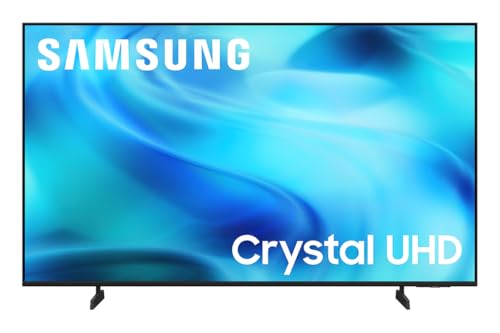
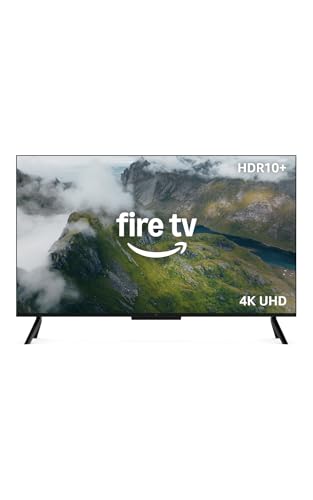
Struggling with washed-out daylight scenes or blurry subtitles can quickly turn an afternoon movie into an exercise in eye strain. Modern television panels offer remarkable color depth and crisp text clarity, making them ideal for everyday viewing without overwhelming complex menus. Finding the best 4k tvs for retirees focused on picture quality requires balancing sharp panel resolution with intuitive software and reliable backlight control. Understanding what UHD means on a screen helps clarify how four times the detail of standard high definition brings wildlife documentaries and live broadcasts to life with crisp textures.
Careful evaluation of display specifications shows that panel brightness, color accuracy, and wide viewing angles make a massive difference when resting in a favorite recliner. The ideal television delivers punchy HDR contrast without harsh screen glare, while keeping remote navigation responsive and straightforward. Modern smart platforms also enhance daily viewing by organizing your favorite channels into clean menus. Based on user feedback and manufacturer specifications, choosing a reliable 4K display ensures that classic films, sports, and streaming shows look remarkably lifelike without causing visual fatigue.

Frequently Asked Questions
What makes a 4K TV screen easier to read and view for seniors?
Sharp 4K resolution provides four times the pixel density of standard 1080p, which keeps program guides, closed captions, and subtitles sharp and legible. Advanced image processors also smooth out jagged edges on older cable broadcasts. This extra clarity reduces eye fatigue during extended daytime viewing.
How does panel technology affect the best 4k tvs for retirees focused on picture quality in bright rooms?
LED and NanoCell displays provide higher sustained brightness and dependable anti-glare coatings to combat window reflections. When comparing display types, looking at the difference between Crystal TV and LED panels helps buyers select a screen that maintains bold color saturation even under direct sunlight. This ensures that daytime sports and talk shows stay clear and visible.
Is a 43-inch display large enough for comfortable living room viewing?
Yes, a 43-inch 4K screen works exceptionally well for viewing distances between five and eight feet. Because 4K pixels are so densely packed, viewers can sit closer without seeing individual pixel grids or blurriness. It also fits easily on standard media consoles without overwhelming smaller rooms.
Do smart TV operating systems like webOS make navigation simpler?
Yes, modern platforms like LG webOS feature customizable home screens with large app tiles and quick source switching. Retirees benefit from streamlined menus that prioritize frequently watched inputs, such as cable boxes or streaming apps. Many remotes also offer voice commands to skip complex menu navigation entirely.
Does HDR10 Pro improve picture quality for standard broadcast television?
Yes, HDR10 Pro optimizes scene-by-scene tone mapping to expand the range between dark shadows and bright highlights. While older cable channels broadcast in standard dynamic range, smart TVs use internal AI upscaling to enhance contrast and color vibrance. This gives everyday content added depth without creating an unnatural, over-saturated appearance.
Can adding an external sound system help with dialogue clarity?
Yes, adding a compact soundbar or exploring options like connecting multiple soundbars can dramatically elevate spoken dialogue over loud background music. Built-in TV speakers are often small, so an eARC audio connection allows clear voice pass-through directly to dedicated speakers for effortless listening.





Write Your Review
No reviews yet. Be the first to share your experience!