
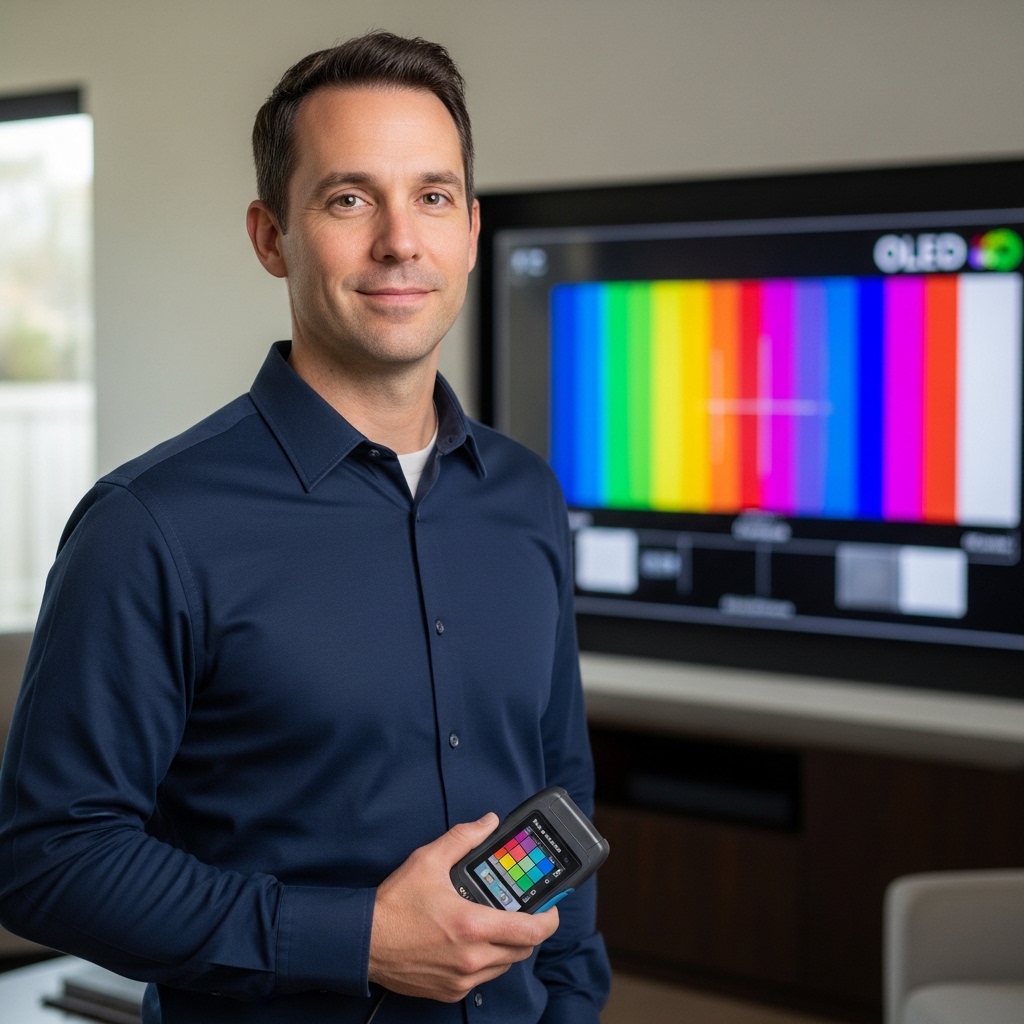

Upgrading a living room display often leads shoppers directly to pixel resolution metrics and connected operating software. Understanding exactly what is 4k ultra hd smart tv technology helps demystify how screen clarity, dynamic range, and streaming applications function together in a modern chassis. Standard high-definition screens deliver 1080p detail, but 4K panels pack four times as many pixels across the panel for crisper text and finer image contours. Many households exploring new streaming televisions appreciate how this dense pixel grid maintains clarity even when sitting relatively close to the screen.
Resolution is only one half of the equation, as modern sets also integrate wireless networking and on-board operating platforms. Built-in software environments like Amazon Fire TV and Samsung Tizen let viewers launch streaming media, browse live channels, and command connected smart home gadgets without buying separate external hardware. Beyond smart convenience, advanced image processing chips actively upscale lower-resolution cable broadcasts and network feeds into clean visuals. Evaluating your lighting conditions, audio expectations, and primary viewing habits ensures that your transition to an Ultra HD display delivers tangible visual improvement.

Pros
- Expansive 65-inch 4K UHD display offers remarkable screen real estate for value-conscious households.
- Direct integration with Fire TV eliminates the need for separate streaming sticks or dongles.
- HDMI eARC port allows straightforward single-cable connection to modern soundbars.
- Comprehensive physical input array includes legacy composite AV jacks and a 3.5mm headphone jack.
Cons
- Direct-lit LED panel lacks local dimming zones, meaning deep dark-room blacks and high-impact specular highlights are limited.
- Standard display capabilities lack advanced high-refresh 120Hz console gaming support.
- Integrated TV speakers benefit from an external soundbar for rich bass and expansive home theater audio.
The Insignia 65-Inch F50 Series belongs to the popular mid-to-large screen size class, designed as an entry-to-mid-tier 4K Ultra HD television powered by the Amazon Fire TV smart platform. Featuring a 65-inch direct-lit LED display, this model is tailored for budget-conscious families, casual movie streamers, and secondary living areas where a large screen is desired without paying premium tier-1 brand markups. With its built-in streaming ecosystem and native 2160p panel resolution, it provides a straightforward, all-in-one entertainment hub for everyday American households.
In terms of display performance, the F50 Series utilizes a direct-lit LED backlighting structure that distributes LEDs across the rear of the panel. This configuration promotes uniform brightness across the entire 65-inch screen while assisting with general color accuracy and contrast. The panel supports HDR10 high dynamic range formatting, enabling compatible movies and series to reveal expanded color gradation and highlight details compared to standard high definition. An integrated 4K upscaler works to enhance legacy 1080p and cable programming to near-Ultra HD quality, though viewers should understand that standard direct lighting without local dimming produces moderate dynamic range rather than theater-grade contrast.
For gaming and hardware connectivity, the television provides a practical selection of inputs, highlighted by three HDMI ports. Everyday gamers using a PlayStation 5, Xbox Series X, or Nintendo Switch can enjoy crisp 4K visual output, though the display is geared toward standard refresh playback rather than specialized high-frame-rate 120Hz performance. A major hardware benefit is the inclusion of an HDMI eARC and ARC port, allowing a single high-speed cable to send uncompressed audio to an external soundbar or AV receiver. Beyond HDMI, the unit includes composite AV inputs for retro electronics, digital optical audio, a 3.5mm headphone jack, coaxial antenna input, an Ethernet port, and built-in Wi-Fi.
The everyday user experience is driven by the Fire TV smart operating system, which consolidates live broadcast channels and over a million streaming episodes across platforms like Prime Video, Netflix, Disney+, and YouTube. The included Alexa Voice Remote streamlines everyday operation by letting viewers search titles, switch inputs, or adjust settings using conversational voice commands. For physical room placement, the television measures 56.91 inches wide, 32.86 inches tall, and 3.4 inches deep, fitting comfortably onto wide media consoles or mounting cleanly to walls using its standardized VESA 400 x 300 pattern.
Potential buyers should consider standard panel trade-offs before purchase. Because this direct-lit LED display lacks full-array local dimming zones, dark-room viewing will show elevated black levels and noticeable graying in dimly lit cinematic scenes rather than ink-like blacks. Furthermore, off-axis viewing may exhibit color desaturation when seated at extreme angles from the screen center. While the integrated audio system includes DTS Virtual:X sound processing for improved acoustic staging, the built-in chassis speakers remain modest, making the addition of an external soundbar via the eARC port highly recommended for immersive audio.
Ultimately, the Insignia 65-Inch F50 Series represents an accessible, high-utility display for viewers seeking big-screen 4K entertainment on a reasonable budget. With integrated Fire TV intelligence, HDR10 support, broad physical connectivity, and user-friendly Alexa voice navigation, it serves as a dependable choice for living rooms, master bedrooms, finished basements, and casual entertainment spaces.
The integrated Fire TV operating system turns this 65-inch television into a complete multimedia center right out of the box, removing the need for external media streaming dongles. Users gain direct access to extensive streaming catalogs through Prime Video, Netflix, Hulu, HBO Max, YouTube, Apple TV+, and Disney+, alongside live TV streaming via Sling TV and Paramount+.
Voice control is built directly into the included Alexa Voice Remote. By pressing the microphone button, users can launch applications, search for specific movies across multiple subscriptions, adjust system settings, or switch between connected HDMI inputs. Additionally, integrated parental control settings allow parents to lock content based on age ratings or specific broadcast channels using a secure PIN.
Connecting external home theater gear to the Insignia F50 is straightforward thanks to its versatile input panel. With three HDMI inputs, users can connect a game console, cable box, and streaming receiver simultaneously. Support for HDMI eARC and ARC simplifies audio wiring by sending audio straight to an external sound system without requiring additional optical cables.
Legacy equipment is supported through composite AV jacks, while digital optical audio and an analog 3.5mm headphone jack provide flexible audio output choices. For installation, the 56.91-inch chassis width pairs with a standard VESA 400 x 300 mounting layout, making it compatible with a wide range of universal wall brackets.
Pros
- Generous 65-inch display size at an accessible value point for living rooms and family spaces
- Built-in Samsung TV Plus delivers massive libraries of free streaming channels out of the box
- Reliable 4K upscaling brings sharper definition to standard cable channels and older streaming titles
- Integrated Alexa voice assistance enables seamless hands-free navigation and volume adjustments
- Smooth frame transitions with Motion Xcelerator minimize noticeable judder during football and basketball games
Cons
- Standard 60Hz refresh rate lacks native 120Hz support for competitive next-gen console gaming
- Lacks full array local dimming, which limits deep black levels in completely dark home theater rooms
- Built-in speakers provide modest bass output, making a dedicated soundbar recommended for cinematic audio
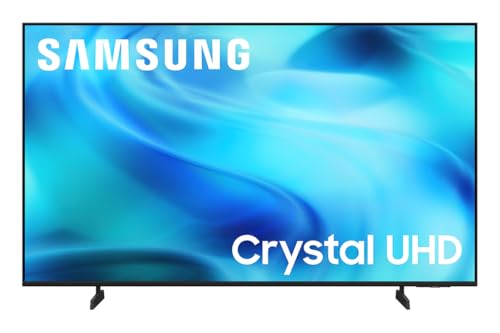
The Samsung 65-Inch Class U8000H Series Crystal UHD Smart TV offers a well-rounded 4K viewing package designed for everyday home entertainment. Geared toward families, apartment dwellers, cord-cutters, and budget-conscious buyers, this LED display brings a spacious 65-inch canvas into living rooms, finished basements, or primary bedrooms. Whether hosting weekend sports watch parties, enjoying family movie marathons, or catching up on morning news, this model aims to provide dependable visuals without complicated calibration steps.
At the core of the display is the Crystal Processor 4K, which works to optimize color expression and deliver clear upscaling for sub-4K cable broadcasts and streaming media. Features like Color Booster help bring vibrant tones to animated movies and nature documentaries, while Motion Xcelerator keeps fast-moving sports and action sequences steady at 60Hz. Although it does not feature full-array local dimming or OLED-level deep blacks, its contrast and brightness are well-suited for moderate to bright living rooms where casual daytime viewing and evening streaming dominate.
For casual gamers using modern consoles, the television delivers low input lag and responsive handling at 4K 60Hz, ensuring smooth playback across adventure titles and sports games. The smart platform offers intuitive navigation, quick app launch times, and built-in Alexa voice control for finding shows and adjusting settings without picking up the remote. In addition, Samsung TV Plus provides cord-cutters with immediate access to over 750 free live channels and thousands of on-demand programs right out of the box, eliminating the immediate need for paid subscriptions.
The exterior sports a clean, minimalist design with slim bezels that keep viewer focus squarely on the screen. Weighing under 32 pounds, the panel remains manageable during setup, whether mounting on a standard VESA bracket or resting on its included media stand feet. HDMI and audio return options support easy connectivity for soundbars, streaming players, and gaming hardware. While the built-in stereo speakers produce intelligible dialogue for sitcoms and news broadcasts, pairing the display with a soundbar is beneficial for rich, room-filling audio during blockbuster movies.
Overall, the Samsung 65U8000H represents a balanced blend of screen size, smart functionality, and everyday picture reliability. While serious home theater purists seeking true black levels or competitive gamers needing 120Hz refresh rates may look toward higher-tier models, this Crystal UHD TV excels for shoppers who want an expansive, easy-to-use smart display for daily family viewing and effortless streaming.
Navigating entertainment is seamless thanks to Samsung's comprehensive smart interface, which organizes favorite streaming platforms like Netflix, Prime Video, Disney+, and YouTube into an easy-to-read dashboard.
A major highlight for cord-cutters is Samsung TV Plus, which grants instant access to hundreds of free live TV channels and vast libraries of on-demand movies without requiring account sign-ups or subscription fees.
Hands-free voice functionality with built-in Alexa makes it easy to search for specific actors, switch inputs, launch apps, or pause playback with simple voice commands, fitting smoothly into modern smart homes.
Sports fans will appreciate the integrated Motion Xcelerator technology, which intelligently calculates and inserts frame transitions in real time to prevent annoying motion blur during high-speed football plays or hockey action.
For gaming setups, the TV automatically switches to a low-latency mode to reduce control lag, delivering crisp 4K visual feedback at 60Hz for consoles like the Xbox Series S or Nintendo Switch.
While competitive esports players may require native 120Hz panels, casual gamers will find the smooth responsiveness and vibrant color palette plenty capable for relaxing evening gaming sessions.

Pros
- Exceptional value for a 50-inch 4K smart TV with Fire TV built in
- Easy voice control with the included Alexa Voice Remote
- Free access to thousands of movies and TV shows through ad-supported channels
- DTS Virtual:X provides surprisingly immersive sound from built-in speakers
- Simple setup and user-friendly Fire TV interface
Cons
- Brightness may be limited in very sunny rooms compared to higher-end models
- Built-in speakers lack deep bass; a soundbar may be needed for a fuller audio experience
- Only 3 HDMI ports; heavy users may need an external switch
The INSIGNIA 50-inch F50 Series LED 4K UHD Smart Fire TV is a budget-friendly television that brings together solid picture quality and the convenience of Amazon's Fire TV platform. Priced well under $200, this TV is designed for homeowners, apartment renters, and families who want a straightforward, capable display for everyday viewing without breaking the bank. It's especially suited for cord-cutters and streamers who rely on apps like Netflix, Prime Video, Disney+, and Hulu, plus free services like Tubi and Pluto TV.
Picture quality on this 4K UHD set is respectable for its price range. The 2160p resolution delivers crisp details, and HDR10 support helps enhance contrast and color in compatible content. While it doesn't use advanced local dimming or high peak brightness like premium OLED or QLED models, the LED panel still produces decent black levels and acceptable brightness for most living rooms or bedrooms. For movie lovers and sports fans, the upscaling of lower-resolution content is satisfactory, making older shows and standard broadcasts look better than on a basic 1080p TV.
Gamers on a budget will appreciate the low input lag and the inclusion of HDMI eARC for connecting a soundbar or gaming console. The TV's 60Hz refresh rate is fine for casual gaming, but competitive players may want a higher refresh rate model. The DTS Virtual:X sound processing creates a wider, more immersive audio stage than typical TV speakers, though dialogue clarity is good, bass is limited. Adding a budget soundbar can dramatically improve the home theater experience.
The Fire TV smart platform is one of the biggest selling points here. It's fast, responsive, and offers a massive library of apps and live TV channels. The included Alexa Voice Remote makes searching for content, controlling smart home devices, or checking the weather as easy as speaking. The TV also supports Apple AirPlay for streaming from iPhones and iPads, which is a nice bonus. Setup is straightforward, and the interface is intuitive for all ages.
Build quality is typical for an entry-level TV, with a sturdy plastic stand and thin bezels that give it a modern look. It's VESA mount compatible (200x200) for wall mounting, which is great for saving space in an apartment or bedroom. The 3 HDMI ports and USB port offer enough connectivity for most users, though heavy gamers or home theater enthusiasts might want more. The remote is comfortable and well laid out, though it relies on batteries (not included).
Overall, the INSIGNIA 50-inch F50 Series is a reliable, no-fuss 4K TV that delivers excellent value for its price. It's perfect for families, streamers, and anyone looking for a secondary TV for a bedroom, dorm, or guest room. While it won't match the performance of high-end OLED or QLED sets, it provides a satisfying viewing experience for everyday content. If you're a budget-conscious shopper who wants a smart TV that just works, this is a solid pick.
Pros
- Excellent value for a 4K HDR smart TV with a large app selection and free live TV.
- Fast performance with Wi-Fi 6 and a responsive quad-core processor for smooth navigation.
- Built-in Alexa voice control makes finding content and managing smart home devices effortless.
- Four HDMI inputs provide plenty of connectivity for gaming consoles, soundbars, and streaming devices.
Cons
- Built-in speakers may lack deep bass for home theater enthusiasts; a soundbar is recommended for fuller audio.
- Brightness may not be ideal for very bright rooms with direct sunlight; best for moderate lighting conditions.
- Limited to 60Hz refresh rate, so not the best choice for competitive gamers seeking high frame rates.
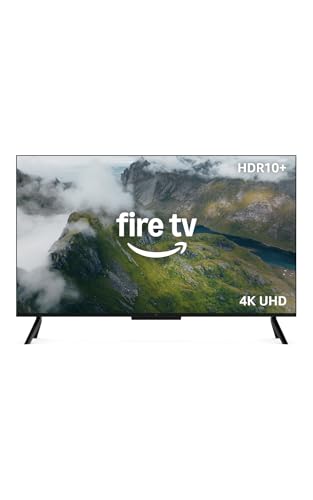
The Amazon Fire TV 43-inch 4-Series is a 4K Ultra HD smart TV designed to deliver a great entertainment experience without breaking the bank. It's an LED-backlit LCD TV that supports HDR10+ for enhanced contrast and color, making it a solid choice for movie lovers, families, and cord-cutters who want a simple, all-in-one streaming solution. With its built-in Fire TV platform and Alexa voice control, this TV is especially suited for streamers and anyone who wants to easily access Netflix, Prime Video, Disney+, Hulu, and thousands of other apps.
Picture quality is a strong point for this price range. The 4K resolution combined with HDR10+ support brings out details in both bright and dark scenes, so you'll notice improved clarity in your favorite movies and shows. While it doesn't have local dimming or the deep blacks of an OLED, the contrast is respectable for an LED TV, and colors look natural and vibrant. Motion handling is adequate for most content, though fast-paced sports or action movies may show some judder. Viewing angles are typical for an LED panel, so it's best to sit directly in front for the best picture.
Gaming performance is decent for casual gamers. The 60Hz panel and standard input lag are fine for most console games, but competitive players may want a TV with a higher refresh rate and VRR support. However, the ability to stream games via Amazon Luna and Xbox Game Pass without a console is a neat bonus for families and casual gamers. The four HDMI inputs give you plenty of room to connect a gaming console, soundbar, and streaming stick.
The smart TV experience is where this model shines. The Fire TV platform is fast and intuitive, with a new quad-core processor and Wi-Fi 6 support ensuring apps load quickly and navigation feels snappy. Alexa voice control is deeply integrated, letting you search for content, control smart home devices, or even ask for the weather with natural language. The included Alexa Voice Remote has preset buttons for popular apps, making it easy to jump straight to your favorites. The Ambient Experience feature is a nice touch, waking the TV to show artwork or a clock when you enter the room.
Setup is straightforward: plug in the TV, connect to Wi-Fi, and sign into your Amazon account. The TV comes with a simple stand, and VESA mounting is supported for wall installation. Sound quality from the built-in speakers is clear for dialogue and everyday viewing, but bass is limited. For a more immersive experience, especially for movies and gaming, pairing with a soundbar is recommended. The design is clean with slim bezels, though the TV is a bit thick compared to premium models.
Overall, the Amazon Fire TV 43-inch 4-Series is an excellent value for budget-conscious shoppers, apartment renters, and families who want a reliable 4K smart TV with a great streaming platform. It's perfect for a living room, bedroom, or dorm setup where ease of use and content access are top priorities. While it has some limitations in brightness and sound, its combination of features, performance, and price makes it a smart buy for everyday entertainment.

Pros
- Exceptional value for a 4K smart TV under $150
- Built-in Fire TV with Alexa voice control is fast and intuitive
- DTS Virtual:X provides surprisingly good sound from built-in speakers
- Easy setup and wall-mounting with VESA compatibility
Cons
- Brightness may be limited in very sunny rooms; best for moderate lighting
- Viewing angles are typical for an LED panel, not as wide as OLED
- Only 60Hz refresh rate, so not ideal for competitive gaming at high frame rates
The INSIGNIA 43" F50 Series LED 4K UHD Smart Fire TV is a straightforward, budget-friendly television designed for everyday entertainment. It combines a 4K resolution panel with HDR10 support and the popular Fire TV smart platform, making it a solid choice for cord-cutters, apartment renters, families, and anyone looking for an affordable secondary TV for a bedroom, dorm, or living room.
Picture quality is respectable for the price point. The 4K resolution delivers crisp details, and HDR10 helps bring out more color and contrast in compatible content. While it won't match the deep blacks of an OLED or the peak brightness of a high-end QLED, the F50 series handles standard streaming, cable, and Blu-ray content well. Upscaling of 1080p and 720p sources is decent, so older shows and YouTube videos still look watchable. Motion handling is adequate for casual viewing, though fast sports or action scenes may show some blur due to the 60Hz panel.
Smart features are where this TV shines. The built-in Fire TV platform is snappy and easy to navigate, giving you one-click access to all major streaming apps like Netflix, Prime Video, Disney+, Hulu, and HBO Max. You also get free ad-supported channels like Pluto TV and Tubi, which is great for cord-cutters. The included Alexa Voice Remote lets you search for content, control smart home devices, and even check the weather using just your voice. Setup is quick, and the interface feels responsive.
Sound quality is a pleasant surprise thanks to DTS Virtual:X technology. The built-in speakers produce a wider, more immersive soundstage than many budget TVs, with clearer dialogue and decent bass. For most living rooms and bedrooms, you won't feel the immediate need for a soundbar, though adding one via the HDMI eARC port will elevate the experience further. Connectivity is generous with three HDMI ports, a USB port, digital optical output, and an Ethernet jack for wired internet.
Design-wise, the TV has a simple, modern look with slim bezels that keep the focus on the screen. The included stand legs are sturdy, and the VESA 200x300 pattern makes wall mounting straightforward. Setup is a breeze, and the remote is comfortable to hold with dedicated buttons for popular streaming services. One limitation is that the panel is edge-lit, so you won't get the local dimming found on pricier models, but for the price, it's a fair trade-off.
Overall, the INSIGNIA 43" F50 Series is an excellent value for budget-conscious shoppers, streamers, and families who want a reliable 4K TV with a smart platform that just works. It's perfect for a bedroom, kids' room, or as a secondary living room TV. If you're looking for a no-fuss, affordable way to enjoy 4K streaming and live TV without cable, this is a smart pick.
Pros
- Easy setup and intuitive Fire TV interface with Alexa voice control.
- Good 4K HDR picture quality with HDR10+ support for improved contrast.
- Fast performance thanks to new quad-core processor and Wi-Fi 6 connectivity.
- Ambient Experience mode adds a decorative touch when the TV is not in use.
- Competitive price for a feature-rich 50-inch 4K smart TV.
Cons
- Brightness may be limited in very sunny rooms, reducing HDR impact.
- Built-in speakers are adequate for casual use but lack deep bass; a soundbar is recommended for better audio.
- Only 60Hz panel, not ideal for high-refresh-rate gaming or fast-paced sports if you prefer smoother motion.
The Amazon Fire TV 50-inch 4-Series is a solid entry-level 4K smart television designed primarily for streaming enthusiasts, cord-cutters, and families looking for a straightforward, all-in-one entertainment solution. With the latest Fire TV platform built right in, it offers seamless access to popular apps like Netflix, Prime Video, Disney+, Hulu, and more, plus free live TV channels with no subscription required. The included Alexa Voice Remote Enhanced makes it easy to search for content, control smart home gadgets, or ask for weather updates using natural speech.
In terms of picture quality, the 4-Series delivers 4K Ultra HD resolution with HDR10+ support, which enhances contrast and color accuracy for a more lifelike viewing experience. While not as bright as premium LED or OLED models, it handles dark scenes reasonably well thanks to improved contrast from HDR10+. Motion handling and upscaling of lower-resolution content are decent for this price range, making it suitable for movies, TV shows, and everyday news. For dark room movie nights, the TV performs admirably, though in brightly lit living rooms you may notice some glare.
The Fire TV platform is one of the easiest to navigate, with a clean home screen that organizes apps, live TV, and recommendations. Alexa integration is a standout feature- you can change channels, launch apps, adjust volume, or even control compatible smart lights without touching the remote. The Omnisense technology is a neat addition: sensors detect when you enter the room and wake the display to show artwork or quick-access menus, adding a touch of convenience and style to any space.
Gaming on this TV is geared toward casual and cloud-based play. You can stream titles from Amazon Luna or Xbox Game Pass without a console using your phone as a controller. However, with a 60Hz panel and no VRR or HDMI 2.1 support, it is not built for competitive or high-framerate gaming. For family-friendly titles or party games, it works fine. The four HDMI inputs provide plenty of connectivity for a soundbar, cable box, and a console, plus eARC support ensures easy audio setup.
Setup is straightforward: attach the two feet or mount it using the VESA pattern (standard 200x200). The bezels are slim, giving the 50-inch screen a modern look that blends into most living rooms or bedrooms. The included remote has dedicated buttons for popular streaming services, making access quick. Overall build quality is good for its price, with a stable stand and lightweight construction (under 19 pounds).
Realistically, the main limitations are brightness and built-in sound. In very bright rooms, HDR highlights may not pop as much, and the speakers lack bass for an immersive audio experience. A budget soundbar like the Amazon Fire TV Soundbar would complement this TV well. Despite these trade-offs, the Fire TV 50-inch 4-Series offers exceptional value for streamers, families, and anyone new to 4K smart TVs. It is a reliable choice for a secondary bedroom TV, a family room for kids and movies, or a primary living room for cord-cutters who prioritize streaming ease over absolute picture perfection.
Understanding 4K Ultra HD Smart TV Technology and Hardware
At its core, a 4K Ultra HD smart television merges ultra-high-resolution physical display hardware with an integrated internet operating platform. The display panel features a native resolution of 3840 by 2160 pixels, which translates to more than eight million distinct picture elements illuminating simultaneously. Instead of relying on an external media streamer or set-top streaming stick, the television chassis contains internal computing processors, memory, and wireless networking antennas. This all-in-one architecture allows you to stream digital broadcasts, interact with voice assistants, and navigate multimedia libraries directly through the factory remote control.
The Anatomy of 4K Ultra HD Resolution and Pixel Density
The jump from legacy 1080p Full HD to 4K Ultra HD represents a quadrupling of total screen detail across the display matrix. A traditional 1080p panel delivers approximately two million pixels, which can reveal visible pixel structure or jagged edge artifacts when viewed on larger screen sizes. By contrast, a 4K panel packs 8.3 million pixels, providing superior pixel density that smooths out diagonal lines, sharpens fine textures, and clarifies distant background elements. This improved density is particularly noticeable on mid-size and large screens, such as the Insignia 65″ Class F50 Series LED 4K UHD, where individual picture elements remain indistinguishable from typical seating distances.
Backlighting design also influences how this dense pixel grid translates into practical visual contrast and color uniformity. Direct-lit LED systems place light-emitting diodes directly behind the liquid crystal layer rather than along the outer edges of the frame. This physical arrangement fosters even light dispersion across the entire screen surface, mitigating distracting dark corners or bright edge flares. Manufacturer specifications for direct lighting panels highlight improved contrast stability and uniform color accuracy across both dark cinematic sequences and bright outdoor scenes. On compact displays like the INSIGNIA 43″ Class F50 Series LED 4K UHD, this backlighting balance keeps text crisp and legible for bedroom or office setups.
How Smart TV Platforms and Operating Systems Operate
A smart television functions essentially as a specialized computer dedicated to multimedia playback, home automation, and live content aggregation. The internal system board houses system-on-chip processing hardware, flash storage for application caching, and Wi-Fi modules that communicate with your home network router. Operating platforms such as Amazon Fire TV and Samsung Tizen present clean graphical user interfaces that organize subscription apps, free streaming channels, and input sources into unified home menus. This seamless layout eliminates the clutter of multiple external power bricks, HDMI switcher boxes, and tangled cables behind your entertainment stand.
Modern smart platforms also prioritize free ad-supported television channels alongside premium paid subscription services. For instance, the Samsung 65-Inch Class Crystal UHD U8000H Series includes access to Samsung TV Plus, which supplies hundreds of subscription-free live channels spanning national news, sports highlights, and reality programming. Similarly, Fire TV platforms incorporate dedicated free hubs that draw content from services like Tubi, Pluto TV, and Fire TV Channels. Viewers can instantly access vast libraries of on-demand movies and live broadcasts without paying recurring monthly subscription fees. Voice remotes equipped with Alexa further simplify browsing by letting you launch apps and search across genres with simple spoken requests.
High Dynamic Range Formats and Color Performance
While 4K resolution dictates total pixel quantity, High Dynamic Range (HDR) governs the visual quality and luminance range of every individual pixel. Standard Dynamic Range video limits display output to a narrow color palette and compressed contrast, often clipping bright sky highlights into flat white sheets while crushing dark shadows into muddy gray. HDR encoding expands this dynamic spectrum, delivering brighter peak highlights and deeper shadows with nuanced gradations in between. As a result, glinting sunlight on automobile metal and shadowed details in nighttime alleyways appear far more lifelike and engaging.
Different manufacturers support distinct HDR format standards, each offering unique metadata handling methods for tone mapping. The baseline HDR10 standard utilizes static metadata, applying one fixed brightness instruction set across the entirety of a film or television episode. More advanced formats like HDR10+ utilize dynamic metadata, adjusting brightness and contrast values on a frame-by-frame or scene-by-scene basis. The Amazon Fire TV 50″ 4-Series (newest model) features HDR10+ support, which helps the display optimize tone mapping so dark scenes retain texture without washing out subtle background highlights. Proprietary color enhancements like Samsung Color Booster complement these standards by supercharging pigment saturation for deeper reds and richer blues.
Video Processing and Hardware Upscaling Engines
Native 4K content is abundant on streaming services, but a substantial volume of everyday television programming remains broadcast in 720p or 1080i high definition. When an Ultra HD screen receives a lower-resolution feed, its internal video processor must interpolate and generate millions of additional pixels to fill the 3840 by 2160 matrix. Basic scaling techniques merely duplicate existing pixels, which often causes soft edges, blurry textures, and noticeable blocky noise. Advanced image processors analyze surrounding picture elements in real time to intelligently reconstruct missing fine detail before outputting the frame.
Proprietary processing silicon, such as the Crystal Processor 4K in modern Samsung displays, relies on algorithmic upscaling to refine standard-definition and high-definition video feeds. The processor analyzes textures, reduces compression noise along text edges, and enhances color boundaries to produce a noticeably cleaner image. This capability proves invaluable for viewers who watch local news broadcasts, over-the-air sports, and older DVD collections that lack native 4K mastering. Multi-core chips, like the quad-core processor in the Amazon Fire TV 43″ 4-Series (newest model), keep menus responsive while managing these computationally intensive upscaling routines simultaneously.
Motion Handling and Native Refresh Rates in Everyday Viewing
Motion performance describes how clearly a television displays fast-moving objects, panning camera sweeps, and live sporting events without distracting visual blur. Most value-oriented and mid-tier Ultra HD displays operate with a native hardware panel refresh rate of 60Hz, meaning the screen refreshes sixty times per second. Higher-tier specialized displays, including dedicated Mini-LED screens for sports, frequently feature native 120Hz panels to maximize fast-action clarity during high-velocity plays. Understanding this distinction prevents confusion between native physical refresh rates and synthetic software-based motion enhancements.
Manufacturers often employ motion interpolation algorithms to help 60Hz panels render athletic action and action films with improved fluidity. Technologies like Samsung Motion Xcelerator estimate the trajectory of objects between frames and insert predictive intermediate transitions in real time. This motion processing reduces jarring stutter during rapid camera pans across football fields or basketball courts while keeping on-screen graphics legible. Displays like the INSIGNIA 50″ Class F50 Series LED 4K UHD deliver dependable motion tracking for routine programming, and viewers can adjust motion settings in the picture menu to eliminate unwanted smoothing during cinematic movies.
Gaming Capabilities and Cloud Streaming Integration
The evolution of smart televisions has substantially expanded their utility for casual gamers and console enthusiasts alike. Modern 4K displays regularly incorporate Auto Low Latency Mode, which automatically detects when a connected game console powers on and switches the television into a low-latency Game Mode. This mode bypasses non-essential image smoothing circuits to decrease input lag between the handheld controller and on-screen movements. Fast response times ensure that character reactions in platformers, racing titles, and adventure games feel immediate and responsive.
Cloud gaming has recently emerged as an alternative to purchasing standalone home gaming consoles. Smart platforms on select displays now integrate cloud services such as Amazon Luna and Xbox Game Pass directly into the operating interface. Supported televisions, such as the newest Fire TV 4-Series lineup, allow players to pair Bluetooth controllers or use smartphones to play premium console titles over broadband internet connections. This convenient feature makes gaming accessible to family members and casual players without requiring costly dedicated hardware under the television stand.
Audio Connectivity and HDMI eARC Capabilities
Chassis designs for modern flat-panel televisions have grown increasingly thin, leaving limited physical space for large speaker drivers and acoustic resonant chambers. Consequently, integrated downward-firing speakers often struggle to produce deep low-frequency bass or clear dialogue during loud movie explosions. To address acoustic limitations, manufacturers integrate digital sound processing technologies such as DTS Virtual:X and Dolby Audio into the system firmware. These virtual surround sound algorithms widen the acoustic soundstage, elevate spoken vocal frequencies, and create a more immersive listening environment straight from the factory speakers.
For true home cinema immersion, connecting an external soundbar or multi-channel audio receiver remains the gold standard. Modern televisions support HDMI Audio Return Channel (ARC) and Enhanced Audio Return Channel (eARC), which transmit audio signals through a single HDMI cable directly to your audio system. Unlike legacy optical connections, eARC provides high bandwidth capable of passing uncompressed multi-channel audio formats and object-based sound like Dolby Atmos. Viewers searching for dedicated displays built for sound quality often rely on eARC connectivity to ensure seamless synchronization and volume control through a single television remote.
Configuring your digital audio output correctly in the television settings menu prevents common lip-sync latency and sound clipping errors. Selecting pass-through or bitstream audio modes allows the connected soundbar to decode the raw digital audio track directly from streaming services. If you utilize older stereo receivers, auxiliary headphone jacks and optical TOSLink outputs on models like the Insignia F50 series provide reliable backward compatibility. Ensuring your display features robust audio pass-through preserves cinematic dialogue clarity and thunderous acoustic impact across all your favorite media.
Screen Sizing, Room Placement, and Viewing Distance
Selecting the appropriate screen size involves matching panel dimensions to your room layout, ambient lighting, and seated eye level. Industry viewing standards recommend that a television screen occupy roughly thirty to forty degrees of your field of view to create an engaging cinematic experience without inducing neck fatigue. For a 43-inch display, an optimal viewing distance generally falls between five and six feet from the screen. Moving up to a 65-inch panel extends that ideal viewing zone to between seven and nine feet, creating a commanding focal point for larger living rooms.
Ambient lighting and window placement heavily influence perceived contrast and color saturation during daytime viewing. Direct sunlight reflecting off glossy screens can wash out dark scenes and create distracting mirror-like glares across the panel. Placing your television perpendicular to primary windows and utilizing window treatments helps maintain vibrant color saturation and deep black levels. Furthermore, mounting your display securely to wall studs using VESA-compliant brackets ensures structural stability while positioning the vertical center of the screen near seated eye level.
Proper physical installation and cable management also protect your investment while creating a clean, organized aesthetic. Always adhere to manufacturer guidelines by utilizing appropriate lag bolts and two-person lifting techniques when unboxing or wall-mounting screens larger than fifty inches. Leave adequate thermal clearance around the chassis ventilation ports to prevent heat accumulation during extended viewing sessions. Careful attention to room placement and mechanical mounting ensures that your Ultra HD television delivers optimal picture clarity and lasting reliability for years to come.
Practical Takeaways for Choosing Your Next Display
Evaluating your daily entertainment habits simplifies the process of identifying the ideal Ultra HD smart television for your household. Focus on core display fundamentals, such as direct LED backlighting, dependable HDR tone mapping, and an intuitive operating platform that hosts your favorite streaming networks. Budget-conscious shoppers can enjoy stunning 4K clarity, responsive voice navigation, and comprehensive app support without needing to overspend on high-end niche features. Verifying essential connectivity options like HDMI eARC and multiple auxiliary ports guarantees straightforward integration with your existing audio gear and gaming consoles.
A modern 4K Ultra HD smart television bridges the gap between ultra-fine visual resolution and modern streaming simplicity. By combining dense pixel counts, intelligent 4K upscaling, and connected smart home platforms, these televisions deliver an immersive home entertainment center in one unified chassis. Selecting the right screen size for your room dimensions and configuring your display presets for natural color reproduction unlocks exceptional visual enjoyment. Whether streaming live sports, enjoying high-resolution cinematic releases, or casually gaming, an Ultra HD display transforms how you experience entertainment at home.



Write Your Review
No reviews yet. Be the first to share your experience!