
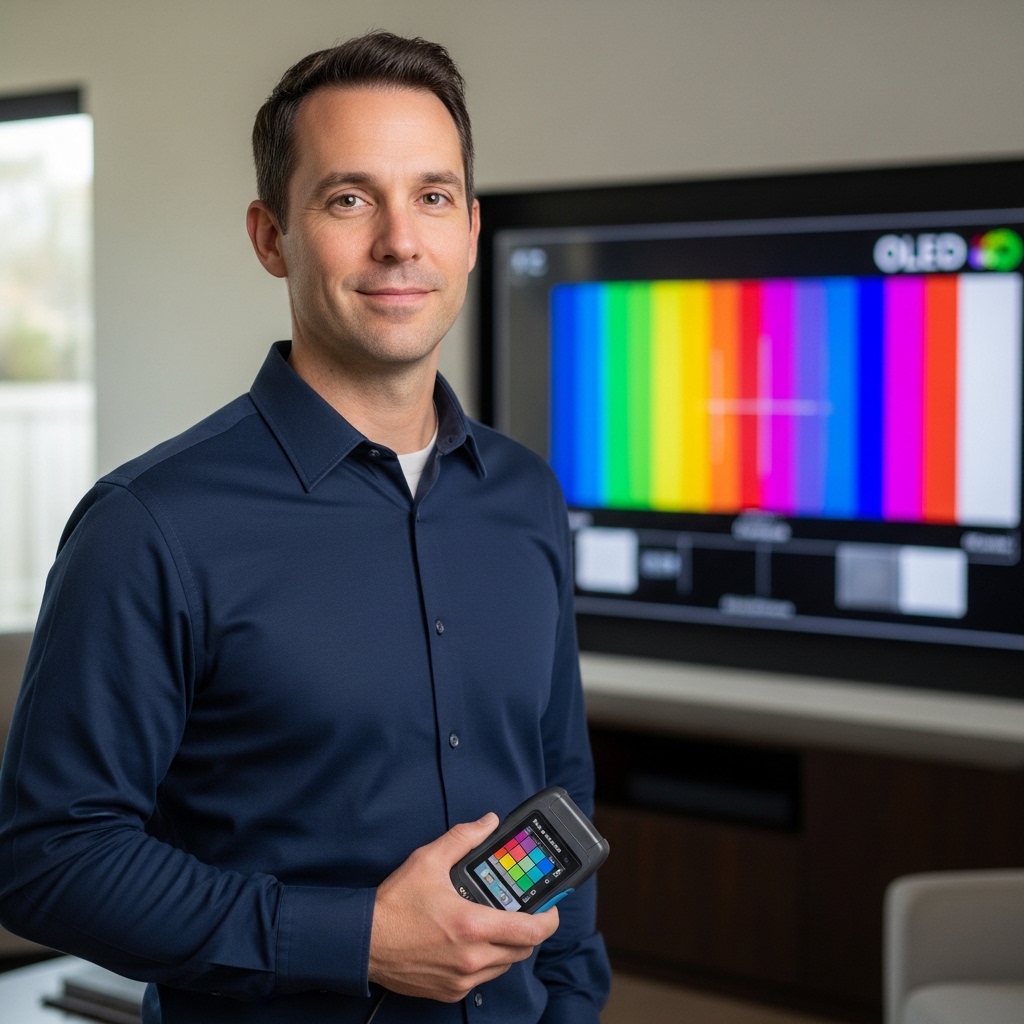

Navigating the current television market often feels overwhelming when screen prices range from modest entry-level tags to multi-thousand-dollar luxury investments. Anyone wondering how much is a 4k hdr tv must first look at the massive differences in underlying panel technology, processor intelligence, and backlighting complexity. While smaller living rooms or secondary bedrooms can easily run on affordable compact televisions with baseline HDR capabilities, dedicated theater spaces demand sophisticated light control and high peak brightness. Understanding where your entertainment priorities lie helps prevent both overspending on unnecessary extras and settling for an underwhelming picture.
Modern display shoppers quickly discover that simply carrying an HDR logo does not guarantee a cinematic high dynamic range experience. Entry-level televisions often accept HDR signals while lacking the luminance and local dimming required to make highlights pop. Stepping up to mid-range options, such as popular 55-inch streaming displays, introduces quantum dots and faster refresh rates that dramatically improve visual depth and motion fluidity. Balancing panel hardware, gaming features, and physical screen dimensions remains the most reliable strategy for matching your budget with lasting visual performance.

Pros
- Clean 4K HDR10 picture with Roku Smart Picture automatic optimization
- Fast, user-friendly Roku interface with extensive streaming app availability
- Handy Bluetooth Headphone Mode for private bedroom and apartment listening
- Seamless smart home integration with Apple AirPlay, Alexa, and Google Assistant
- Lightweight build and slim bezels fit easily on small stands or wall mounts
Cons
- Standard 60Hz refresh rate does not support 120Hz high-frame-rate competitive console gaming
- Modest peak brightness means HDR highlights may look less dramatic in brightly lit sunrooms
- Compact built-in speakers emphasize vocal clarity but offer limited low-end bass for movie explosions
The Roku 43-Inch Select Series 4K Smart TV delivers an accessible balance of Ultra HD resolution, streamlined streaming, and user-friendly features. Designed primarily for apartment dwellers, bedroom viewing, dorm rooms, or secondary entertainment spaces, this LED television serves budget-conscious shoppers, busy families, and dedicated cord-cutters who want reliable performance without complicated calibration menus.
At its core, the display utilizes a 4K panel delivering four times the pixel density of standard high-definition screens. With support for HDR10 and Roku Smart Picture technology, the television analyzes incoming signals to enhance color vibrancy and balance contrast automatically. While it does not include full array local dimming or the ultra-high peak brightness found on premium flagship screens, it produces crisp detail and satisfying black levels for everyday viewing, casual sports matches, and streaming movie nights.
The built-in Roku operating system stands out as one of the most intuitive streaming platforms available. Channels such as Netflix, Disney+, Prime Video, and YouTube launch briskly, while access to free live TV provides dozens of options right out of the box. Navigating the interface feels responsive thanks to the included Roku Voice Remote, which allows users to search across apps, change inputs, and adjust volume hands-free. Broad smart home compatibility with Apple AirPlay, Alexa, Siri, and Google Assistant also ensures effortless media casting directly from smartphones or tablets.
Built-in speakers on smaller flat screens can sometimes struggle, but this model features dedicated speech clarity tuning to make television dialogue intelligible at reasonable volume levels. A standout feature for apartment residents and night owls is the Bluetooth Headphone Mode, allowing private audio listening directly through personal wireless headphones. For gaming, casual console players will appreciate low input latency and crisp 4K imagery, although serious competitive gamers should note the panel operates at a standard 60Hz refresh rate without native HDMI 2.1 120Hz support.
Weighing roughly 13 pounds, the television features a modern frameless aesthetic that blends neatly into any room decor. Setup takes mere minutes, requiring simple screw-in legs or standard VESA wall mount installation. For shoppers seeking a straightforward, high-value 4K screen for cozy living rooms, guest bedrooms, home offices, or kids playrooms, the Roku 43-Inch Select Series provides a dependable and frustration-free home entertainment solution.
The Roku Select Series TV centers on the acclaimed Roku OS, known for its uncluttered home screen and swift navigation. Streaming enthusiasts get instantaneous access to major subscription apps alongside thousands of free live TV channels, sports hubs, and news broadcasts without recurring subscription costs for basic programming.
Smart home connectivity is particularly versatile on this model. With Apple AirPlay built in, iPhone, iPad, and Mac users can mirror photos, stream vacation videos, or beam playlists directly to the 43-inch display. Voice commands through Roku Voice, Amazon Alexa, or Google Assistant make launching specific shows, adjusting volume levels, and switching inputs entirely hands-free.
Weighing only 13 pounds, this 43-inch television is exceptionally easy to unbox and assemble by a single person. The included two-pole stand attaches securely using standard screws, fitting comfortably on smaller media consoles and bedroom dressers without requiring deep furniture surfaces.
For wall mounting, the slim chassis supports standard VESA patterns, allowing owners to utilize low-profile fixed mounts or full-motion articulating brackets. The straightforward initial setup wizard connects to home Wi-Fi networks in just a couple of minutes, auto-detects connected devices, and walks users through remote pairing without technical hassle.

Pros
- Works immediately upon inserting batteries with no pairing or codes needed
- Dedicated quick-access streaming buttons save time during movie nights
- Compatible across almost the entire VIZIO LED, 4K, and OLED television catalog
- Lightweight and familiar button layout suitable for all family members
Cons
- Requires two AAA batteries that are not included in the package
- Uses standard infrared signaling, requiring direct line of sight to the TV sensor
- Lacks backlit keys for easy viewing in dark home theater rooms
The VIZIO XRT140 is a dedicated replacement remote control designed specifically for VIZIO smart televisions. It caters directly to homeowners, apartment renters, busy families with kids, cord-cutters, and everyday streamers who need to replace a lost, chewed, or damaged remote without spending a fortune. Whether your primary screen is in the main living room, a student dorm, or a cozy bedroom, this remote provides straightforward hardware access to your display.
Based on product specifications, this remote functions seamlessly across nearly every modern VIZIO series, including budget-friendly D-Series 1080p screens, mainstream V-Series 4K displays, quantum-enhanced M-Series panels, and top-tier P-Series Quantum and OLED models. Navigating high-definition HDR10 and Dolby Vision content requires quick access to SmartCast menus and picture presets, and this remote delivers dependable command response. Viewers switching between high-refresh gaming modes, movie nights, or weekend sports watch parties can easily toggle inputs and adjust audio profiles with familiar tactile buttons.
From an everyday usability standpoint, the unit offers six direct shortcut keys along the top for top-tier streaming services: Netflix, Prime Video, Disney+, Hulu, Vudu, and Redbox. The build is lightweight at roughly 0.15 pounds and measures seven inches long, fitting naturally into both adult and children's hands. The tactile rubber keys offer clear tactile feedback, making it easy to browse streaming libraries, pause family movie streams, or tweak volume levels during late-night viewing sessions.
Setup could not be simpler since the unit requires zero programming, pairing codes, or Wi-Fi setup. Users simply insert two standard AAA batteries, point the remote toward the TV sensor, and begin browsing immediately. This instant functionality is ideal for rental properties, guest bedrooms, and households where nobody wants to spend twenty minutes deciphering sync codes or downloading remote apps.
There are a few practical trade-offs to keep in mind. Because the remote relies on traditional infrared (IR) signaling, it requires a clear line of sight to the TV sensor and will not work through cabinet doors or from extreme off-axis angles. Additionally, it lacks backlighting for pitch-black home theater environments, does not include built-in voice search microphones, and ships without the two required AAA batteries.
For anyone searching for a hassle-free, cost-effective replacement or secondary remote for their VIZIO 4K or HD television, the XRT140 is an exceptionally practical pick. It restores full control over picture settings, smart streaming hubs, and volume adjustments, making it a smart accessory for movie lovers, casual gamers, and busy households alike.
Compatibility is one of the strongest highlights of the VIZIO XRT140 remote control. The unit is designed to communicate with almost all VIZIO smart televisions, including entry-level D-Series, midrange V-Series, quantum-dot M-Series, high-performance P-Series, and premium OLED panels. It also serves as a direct substitute for legacy remote part numbers like the XRT112, XRT122, XRT135, XRT136, XRT302, XRT500, XRT510, and VR series.
Getting started requires no technical know-how. Unlike universal remotes that demand manual code entry or cycling through brand frequencies, this unit works right out of the box. Users only need to slide open the rear compartment, insert two fresh AAA batteries, and point the infrared transmitter at the television screen. It instantly controls power, input selection, picture mode menus, mute, and volume adjustments without hesitation.


Pros
- QD-OLED technology delivers inky black levels alongside vibrant color volume and wide viewing angles
- Cognitive Processor XR offers excellent 4K upscaling and smooth motion handling for live sports
- Dedicated Game Menu and customized PS5 features streamline picture settings for competitive gaming
- Google TV interface provides fast navigation across favorite streaming apps with hands-free voice control
Cons
- Substantial 81-pound chassis and 77-inch width require a spacious media console or heavy-duty wall mounting
- Only two of the four HDMI ports support full HDMI 2.1 bandwidth for 4K at 120Hz sources
- Flagship pricing represents a significant investment compared to standard OLED or Mini-LED alternatives
The Sony BRAVIA XR A95L is a flagship 77-inch 4K Ultra HD television that merges Quantum Dot enhancement with self-lit OLED panel hardware. Engineered primarily for dedicated home theater enthusiasts, serious console gamers, and film connoisseurs, this premium display transforms any spacious living room or basement cinema. It delivers reference-grade contrast and expansive color reproduction that stands out whether you are hosting weekend movie nights or streaming high-stakes sports events with friends.
Picture performance revolves around Sony's Cognitive Processor XR, which evaluates visual elements across focal points just as the human eye perceives reality. By combining pure OLED black levels with the high color saturation of QD-OLED technology, the screen reproduces subtle shadow details without washing out bright specular highlights. HDR content presented in Dolby Vision or IMAX Enhanced showcases remarkable dynamic range, while refined motion processing handles fast-action football broadcasts and intense racing scenes without distracting judder or blurring.
Gamers will appreciate the specialized gaming integration tailored for contemporary consoles, particularly the PlayStation 5. The A95L includes dedicated HDMI 2.1 inputs capable of handling 4K resolution at 120Hz, Variable Refresh Rate (VRR), and Auto Low Latency Mode (ALLM). Features such as Auto HDR Tone Mapping calibrate HDR performance directly upon console startup, while the onboard Game Menu provides quick adjustments to black equalizer levels, crosshairs, and screen sizing without interrupting competitive multiplayer sessions.
Built-in Google TV supplies an organized, responsive hub for popular entertainment applications like Netflix, Disney+, Prime Video, and the high-bitrate BRAVIA CORE streaming service. The exterior build exhibits minimalist aesthetics, defined by slim bezels, robust table stands, and integrated cable routing channels that keep power cords tidy. Standard VESA mount compatibility facilitates secure wall placement, though the unit's substantial 81-pound weight necessitates two-person installation and heavy-duty hardware.
While the display excels across virtually all critical performance metrics, shoppers should weigh a few logistical considerations. The presence of two HDMI 2.1 ports means multi-console setups sharing an eARC sound system might require careful port allocation. For homeowners and entertainment enthusiasts seeking true cinema fidelity, rich color accuracy, and top-tier gaming responsiveness, this 77-inch display stands as a standout flagship centerstage investment for your home entertainment space.
The QD-OLED display panel on the A95L provides an expansive color palette driven by XR Triluminos Max technology. Because each pixel emits its own light while utilizing quantum dots for color conversion, scenes display deep blacks right alongside saturated, high-luminance highlights without backlight blooming.
Processing from the Cognitive Processor XR optimizes lower-resolution cable broadcasts and classic streaming titles into crisp 4K imagery. Broad off-axis viewing angles ensure that family members seated at the sides of the living room enjoy the exact same color saturation and contrast as those sitting directly in front of the screen.
Console players benefit from low input latency and fast pixel response times that keep fast-paced shooters and sports games fluid. With support for 4K resolution running at 120 frames per second, movement remains sharp and responsive during high-intensity gameplay sequences.
The dedicated Game Menu overlays quick access to picture adjustments, VRR status, and customizable aim assists directly onto the display. Exclusive PlayStation 5 features automatically match display output modes between gaming and movie streaming without requiring manual menu adjustments.
Understanding Price Tiers and Value in 4K HDR Televisions
Establishing realistic expectations is the primary step when evaluating modern home entertainment displays. The cost of a 4K television with high dynamic range varies according to panel architecture, physical size, processing power, and specialized gaming bandwidth. Rather than viewing the market as a flat collection of identical screens, buyers achieve better results by organizing options into distinct hardware performance tiers.
The Entry-Level Tier: Baseline Resolution and Basic HDR Decoding
Entry-level displays represent the most affordable entry point for everyday television viewing. Models in this segment, such as the Roku 43-Inch Select Series Smart TV 2026-4K HDR TV, prioritize core convenience, intuitive operating systems, and sharp Ultra HD resolution over blinding highlights. These televisions rely on direct-lit LED backlights without local dimming, meaning the entire screen brightness rises and falls uniformly across all scenes.
Software decoding allows these budget sets to accept standard HDR10 signals, yet hardware limitations prevent true high dynamic range impact. Without high sustained peak brightness or localized backlight arrays, specular highlights like sun glints or explosions cannot separate cleanly from shadow details. Nonetheless, built-in features like Roku Smart Picture signal optimization and responsive smart interfaces provide dependable performance for bedrooms, kitchens, or casual daytime streaming.
The Mid-Range Tier: Quantum Dots, Native High Refresh Rates, and Self-Emissive Panels
Stepping into the mid-range category introduces substantial hardware upgrades that fundamentally transform visual contrast and color purity. In this space, displays incorporate either advanced Mini-LED local dimming arrays or compact self-lit pixels, represented by options like the Samsung 42-Inch Class OLED 4K S90D Series HDR. Because organic light-emitting diodes turn off entirely at the subpixel level, they produce perfect black levels with virtually zero haloing.
Color reproduction also sees major refinements through quantum dot layers and specialized color validation profiles. The Samsung S90D platform features Pantone-validated color fidelity, Real Depth Enhancer technology, and 4K AI upscaling engines that clean up lower-resolution sports and cable broadcasts. Gamers also benefit significantly at this tier, gaining access to native 120Hz or 144Hz panel refresh rates, dedicated gaming hubs, and automated game mode switching that slashes input latency.
The Flagship Tier: Quantum Dot OLED and Advanced Cognitive Processing
At the pinnacle of display manufacturing sit flagship models designed for uncompromising home theater purists. Televisions in this elite class, such as the Sony QD-OLED 77 inch BRAVIA XR A95L Series 4K, combine organic emissive black levels with quantum dot brightness enhancements known as XR Triluminos Max. This hybrid architecture eliminates traditional brightness limitations found on older emissive screens, preserving rich color saturation even in radiant HDR highlights.
Premium pricing in this category is driven by proprietary silicon such as the Cognitive Processor XR, which analyzes image composition in real time to mimic human visual perception. Flagship units feature support for demanding formats including Dolby Vision, IMAX Enhanced, and Netflix Adaptive Calibrated Mode. Premium buyers also receive full-bandwidth HDMI 2.1 inputs supporting 4K at 120Hz, variable refresh rates, and custom tone mapping optimizations tailored specifically for PlayStation consoles.
How Panel Manufacturing Dictates Final Retail Expense
Display panel fabrication remains the single largest expense driving overall television retail prices. Basic edge-lit and direct-lit LED arrays use inexpensive transmissive liquid crystal substrates produced at tremendous industrial scale. As manufacturers move toward dense Mini-LED backlights or emissive organic substrates, manufacturing complexity rises steeply due to microscopic component placement and lower initial factory yields.
Quantum dot emissive layers require precision engineering to prevent premature pixel degradation while sustaining high thermal efficiency. Flagship models incorporate specialized heat-dissipation sheets behind the panel substrate to push luminance higher without risking permanent image retention. These physical engineering measures, combined with multi-layer anti-reflective coatings designed to disperse harsh ambient room reflections, inevitably increase final retail manufacturing overhead.
Screen Size Scaling and Viewing Room Geometry
Physical screen real estate causes dramatic price expansion, even when comparing displays within the exact same product family. Glass motherglass fabrication sheets yield multiple 43-inch or 55-inch cuts with minimal waste, but producing massive 77-inch or 85-inch continuous panels requires flawless material purity. Shoppers evaluating budget 75-inch displays often encounter lower-tier backlighting because scaling high-zone local dimming across large panels is expensive.
Viewing distance should always guide screen selection to prevent unnecessary spending on oversized glass for small spaces. According to established home cinema field-of-view principles, maintaining a 30-to-40-degree viewing angle creates cinematic immersion without inducing neck or eye strain. A viewer sitting six to eight feet away achieves complete field-of-view coverage with a 42-inch to 55-inch screen, while expansive seating distances beyond ten feet genuinely justify investing in 75-inch or larger panels.
High Dynamic Range Standards and True Luminance Requirements
Marketing badges often list broad compatibility with HDR10, HLG, Dolby Vision, and HDR10+ across all price brackets, causing consumer confusion. The critical technical distinction lies between software signal compatibility and empirical hardware reproduction capabilities. An entry-level television simply tone-maps a high dynamic range signal down to fit within its modest native contrast and luminance constraints.
True high dynamic range requires substantial hardware contrast ratios so that dazzling highlights coexist alongside inky letterbox bars without distracting blooming. Premium displays capable of high sustained luminance provide the required dynamic headroom to showcase Dolby Vision content accurately, presenting master-level color grading without clipping bright cloud details or crushing subtle shadow gradations. Hardware capable of dynamic metadata parsing and real-time scene tone mapping commands a justified price premium.
Gaming Hardware, Input Lag, and HDMI 2.1 Bandwidth
Modern gaming demands have driven significant hardware bifurcation between casual media displays and high-performance gaming screens. Standard budget televisions feature 60Hz panels driven by HDMI 2.0 ports capable of passing 4K signals only up to 60 frames per second. Competitive console and PC players require high-speed HDMI 2.1 ports capable of delivering uncompressed 4K gameplay at 120Hz or 144Hz refresh rates.
Televisions like the Samsung S90D and Sony A95L incorporate advanced system-on-chip controllers supporting Variable Refresh Rate, Auto Low Latency Mode, and specialized on-screen Game Menus. These dedicated controllers ensure that input lag remains below fifteen milliseconds, preventing visual tearing and frame stutter during fast-paced competitive play. Including multiple high-bandwidth ports adds hardware licensing and processor costs that naturally raise the initial purchase investment.
Video Processing Silicon, Upscaling, and Motion Smoothing
Sub-4K broadcast clarity serves as another primary cost differentiator that separates budget televisions from premium displays. While 4K streaming services provide clean digital feeds, standard cable broadcasts, regional news channels, and live sporting events frequently broadcast in compressed 720p or 1080i signals. Inexpensive screens rely on basic bicubic interpolation, which often results in soft, noisy, or pixelated pictures on large displays.
Dedicated processors, such as Sony Cognitive Processor XR, utilize neural databases to reconstruct missing edge details, suppress macroblocking, and smooth color banding before output. Selecting responsive Mini-LED TVs for sports ensures fast camera pans remain crisp without unnatural motion artifacts. Sophisticated motion interpolation allows users to eliminate standard 24p film judder while avoiding the unnatural soap opera effect that plagues poorly calibrated budget processors.
Smart Platforms, Interface Hardware, and Accessory Replacements
Smart TV platforms influence the day-to-day user experience, varying widely in responsiveness, menu navigation speed, and ad density. Budget models leverage streamlined platforms like Roku OS, which keep operating costs low by offering lightweight home screens, centralized free live TV streaming, and universal voice search. Premium televisions incorporate Google TV or Tizen with extensive smart home device integration, Apple AirPlay compatibility, and high-bitrate streaming libraries such as BRAVIA CORE.
Maintaining a smooth home entertainment experience also involves factoring in affordable peripheral upkeep over the display lifespan. Remote controls frequently endure heavy family wear, making options like the Vizio Remote (XRT140) essential for restoring quick access to popular streaming shortcuts without expensive manufacturer service calls. This unprogrammed replacement remote pairs immediately with numerous smart screen series, demonstrating how simple accessory replacements help extend the functional life of existing home theater investments.
Integrated Audio Limitations and External Soundbar Considerations
Chassis dimensions across the television industry have slimmed down dramatically, leaving minimal physical space for acoustic driver enclosures. Budget televisions feature standard down-firing stereo speakers that struggle to produce clear dialogue or convincing low-frequency bass. Even mid-range displays incorporating virtual Dolby Atmos or Object Tracking Sound Lite remain physically constrained by narrow speaker cavities.
Prospective buyers should plan their entertainment budget with external audio connectivity in mind. Look for televisions equipped with an HDMI eARC port capable of passing uncompressed multi-channel audio formats to external soundbars or AV receivers. Investing in dedicated external audio ensures that the auditory impact matches the visual clarity of high dynamic range cinematography without relying on strained internal speakers.
Strategic Selection: Aligning Your Entertainment Space with the Right Tier
Selecting the ideal 4K HDR television requires balancing physical room conditions, viewing habits, and desired performance longevity. A compact direct-lit set provides exceptional utility for secondary bedrooms, office spaces, or modest living areas where standard streaming takes priority. However, living rooms with wide seating arrangements or dedicated home theaters benefit immensely from the infinite contrast, wide viewing angles, and advanced processing found in modern OLED platforms.
Prioritizing core panel strengths over superficial marketing buzzwords ensures that every dollar spent translates directly into visible screen quality. Check whether the display offers true local dimming or emissive contrast, verify that high refresh rates are supported at the hardware level, and ensure port configurations match your console or audio gear. Approaching the television market with clear technical requirements empowers you to secure outstanding visual performance across any display category.





Write Your Review
No reviews yet. Be the first to share your experience!