


Modern television shopping often presents a confusing labyrinth of technical acronyms that obscure what actually creates a compelling living room image. Stepping into the contemporary market means deciphering how ultra-high-definition resolution balances with expanded contrast and connected entertainment platforms. Unpacking what is 4k hdr smart tv architecture reveals that this designation combines three distinct engineering pillars: an ultra-dense display grid, expanded contrast luminance, and an integrated operating system. Rather than representing a single feature, a modern 4K HDR television coordinates panel hardware and digital processing to deliver crisp video directly from internet services without external streaming devices. Many households looking at dedicated streaming displays find that this balance defines the standard baseline for home entertainment.
While older high-definition televisions relied entirely on external media boxes and standard dynamic range video feeds, modern displays unify physical panel density with software-driven video decoding. An entry-level or mid-range television today relies on 3840 by 2160 pixel resolution to render fine geometric details across games, streaming movies, and broadcast shows. Adding high dynamic range allows compatible signals to show brighter specular highlights while retaining dark shadow gradations, avoiding the washed-out gray tones typical of older edge-lit designs. Integrating software like Roku TV or Fire TV turns the screen into a unified media hub capable of handling cable signals, gaming consoles, and direct streaming simultaneously.

Pros
- Clean 4K HDR10 picture with Roku Smart Picture automatic optimization
- Fast, user-friendly Roku interface with extensive streaming app availability
- Handy Bluetooth Headphone Mode for private bedroom and apartment listening
- Seamless smart home integration with Apple AirPlay, Alexa, and Google Assistant
- Lightweight build and slim bezels fit easily on small stands or wall mounts
Cons
- Standard 60Hz refresh rate does not support 120Hz high-frame-rate competitive console gaming
- Modest peak brightness means HDR highlights may look less dramatic in brightly lit sunrooms
- Compact built-in speakers emphasize vocal clarity but offer limited low-end bass for movie explosions
The Roku 43-Inch Select Series 4K Smart TV delivers an accessible balance of Ultra HD resolution, streamlined streaming, and user-friendly features. Designed primarily for apartment dwellers, bedroom viewing, dorm rooms, or secondary entertainment spaces, this LED television serves budget-conscious shoppers, busy families, and dedicated cord-cutters who want reliable performance without complicated calibration menus.
At its core, the display utilizes a 4K panel delivering four times the pixel density of standard high-definition screens. With support for HDR10 and Roku Smart Picture technology, the television analyzes incoming signals to enhance color vibrancy and balance contrast automatically. While it does not include full array local dimming or the ultra-high peak brightness found on premium flagship screens, it produces crisp detail and satisfying black levels for everyday viewing, casual sports matches, and streaming movie nights.
The built-in Roku operating system stands out as one of the most intuitive streaming platforms available. Channels such as Netflix, Disney+, Prime Video, and YouTube launch briskly, while access to free live TV provides dozens of options right out of the box. Navigating the interface feels responsive thanks to the included Roku Voice Remote, which allows users to search across apps, change inputs, and adjust volume hands-free. Broad smart home compatibility with Apple AirPlay, Alexa, Siri, and Google Assistant also ensures effortless media casting directly from smartphones or tablets.
Built-in speakers on smaller flat screens can sometimes struggle, but this model features dedicated speech clarity tuning to make television dialogue intelligible at reasonable volume levels. A standout feature for apartment residents and night owls is the Bluetooth Headphone Mode, allowing private audio listening directly through personal wireless headphones. For gaming, casual console players will appreciate low input latency and crisp 4K imagery, although serious competitive gamers should note the panel operates at a standard 60Hz refresh rate without native HDMI 2.1 120Hz support.
Weighing roughly 13 pounds, the television features a modern frameless aesthetic that blends neatly into any room decor. Setup takes mere minutes, requiring simple screw-in legs or standard VESA wall mount installation. For shoppers seeking a straightforward, high-value 4K screen for cozy living rooms, guest bedrooms, home offices, or kids playrooms, the Roku 43-Inch Select Series provides a dependable and frustration-free home entertainment solution.
The Roku Select Series TV centers on the acclaimed Roku OS, known for its uncluttered home screen and swift navigation. Streaming enthusiasts get instantaneous access to major subscription apps alongside thousands of free live TV channels, sports hubs, and news broadcasts without recurring subscription costs for basic programming.
Smart home connectivity is particularly versatile on this model. With Apple AirPlay built in, iPhone, iPad, and Mac users can mirror photos, stream vacation videos, or beam playlists directly to the 43-inch display. Voice commands through Roku Voice, Amazon Alexa, or Google Assistant make launching specific shows, adjusting volume levels, and switching inputs entirely hands-free.
Weighing only 13 pounds, this 43-inch television is exceptionally easy to unbox and assemble by a single person. The included two-pole stand attaches securely using standard screws, fitting comfortably on smaller media consoles and bedroom dressers without requiring deep furniture surfaces.
For wall mounting, the slim chassis supports standard VESA patterns, allowing owners to utilize low-profile fixed mounts or full-motion articulating brackets. The straightforward initial setup wizard connects to home Wi-Fi networks in just a couple of minutes, auto-detects connected devices, and walks users through remote pairing without technical hassle.

Pros
- Rich quantum dot color enhancement elevates everyday 4K streaming and movies
- Intuitive Roku OS interface is exceptionally easy for kids, parents, and guests to navigate
- Enhanced voice remote features an integrated lost remote finder and quick shortcut buttons
- Bluetooth Headphone Mode provides effortless private listening on mobile devices or wireless headphones
- Lightweight 20.5-pound chassis makes solo unboxing and wall mounting quick and hassle-free
Cons
- Standard 60Hz refresh rate lacks native 120Hz support for high-end competitive console gaming
- HDR10 performance is best suited for moderate room lighting rather than ultra-bright sunlit spaces
- Audio profile prioritizes vocal clarity over deep, cinematic sub-bass
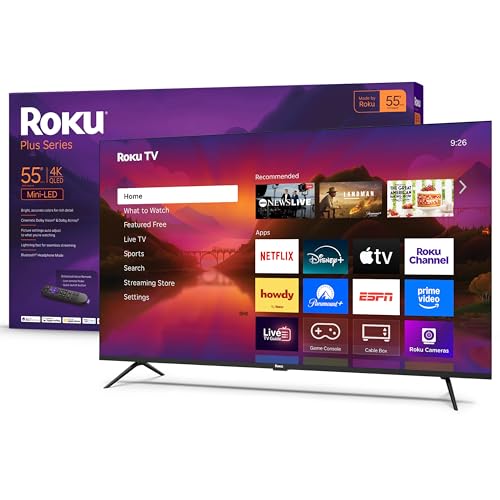
The Roku 55-Inch Select Series 4K QLED Smart TV brings quantum dot color performance and Roku's famously simple operating system to an accessible 55-inch form factor. Designed primarily for everyday home viewing, this display is tailored for cord-cutters, apartment renters, busy families, and streamers who want a reliable centerpiece without navigating complex menus. Whether you are hosting a weekend watch party for football or setting up an inviting entertainment hub in a master bedroom, this TV prioritizes instant accessibility and clean visual presentation.
Visual performance centers around a 4K resolution QLED panel that utilizes quantum dots alongside HDR10 decoding to present punchy colors and sharp edge definition. The integrated Roku Smart Picture engine actively processes incoming video feeds, optimizing color saturation and picture modes depending on whether you are watching live sports, cartoons, or nighttime dramas. While contrast levels and black performance remain solid for standard indoor lighting, peak HDR highlights are tuned for balance rather than blistering brightness. Viewing angles are typical for LED-backlit LCD panels, making dead-center seating the sweet spot for movie lovers.
Streaming usability is where this model truly shines, anchored by Roku OS. The interface keeps all your physical inputs, favorite streaming services like Netflix and Disney+, and free live TV channels organized on a clean, customizable grid. The included enhanced voice remote simplifies navigation with direct voice search, programmable app shortcuts, and an invaluable lost remote finder feature that sounds an audible alert when misplaced in couch cushions. Smart home integration rounds out the experience, supporting Apple AirPlay, Siri, Amazon Alexa, and Google Assistant for effortless media casting.
Acoustic performance is tailored for vocal clarity, ensuring movie dialogue and sports commentary remain easily understandable without constantly raising the volume. For late-night entertainment after the kids are asleep, Bluetooth Headphone Mode lets you pipe sound directly to wireless headphones. Physically, the TV weighs an agile 20.5 pounds and features a frameless bezel design that gives it a clean, modern aesthetic. Standard VESA mount compatibility and lightweight construction make solo wall mounting or tabletop stand installation straightforward.
Gamers should note that the panel runs at a standard 60Hz refresh rate without advanced HDMI 2.1 features like 4K at 120Hz or variable refresh rates, meaning competitive esports players may prefer a dedicated high-refresh gaming monitor. In rooms flooded with direct afternoon sunlight, users may also notice some screen reflections. Nevertheless, for budget-conscious homeowners, apartment dwellers, and casual viewers seeking bright QLED colors and simple, frustration-free streaming, the Roku 55-Inch Select Series delivers dependable daily entertainment value.
The 55-inch QLED display leverages quantum dot technology to deliver a wider color spectrum than standard entry-level LED panels. With native 4K resolution and HDR10 support, streaming 4K movies and modern nature documentaries reveals fine textures and realistic foliage hues.
Roku Smart Picture automatically adjusts picture modes behind the scenes, eliminating the need to fiddle with advanced calibration settings every time you swap between live sports, classic films, or sitcoms. Streaming apps load quickly over the built-in Wi-Fi, offering stable playback across thousands of free and subscription-based channels.
The enhanced voice remote stands out as one of the most practical everyday upgrades on the Roku Select Series. You can search across multiple streaming services at once by speaking into the remote, set one-touch personal shortcuts for go-to channels, and activate the lost remote finder when it slips out of sight.
Apple AirPlay compatibility allows iPhone, iPad, and Mac users to mirror vacation photos or cast personal videos directly to the screen with zero setup hassle. Hands-free voice assistance via Amazon Alexa or Google Assistant devices provides effortless power, volume, and playback control across your connected home.

Pros
- Exceptional value for a 50-inch 4K smart TV with Fire TV built in
- Easy voice control with the included Alexa Voice Remote
- Free access to thousands of movies and TV shows through ad-supported channels
- DTS Virtual:X provides surprisingly immersive sound from built-in speakers
- Simple setup and user-friendly Fire TV interface
Cons
- Brightness may be limited in very sunny rooms compared to higher-end models
- Built-in speakers lack deep bass; a soundbar may be needed for a fuller audio experience
- Only 3 HDMI ports; heavy users may need an external switch
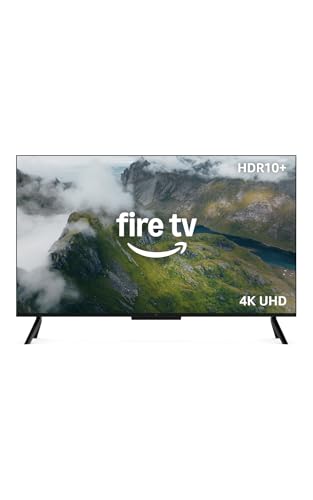
The INSIGNIA 50-inch F50 Series LED 4K UHD Smart Fire TV is a budget-friendly television that brings together solid picture quality and the convenience of Amazon's Fire TV platform. Priced well under $200, this TV is designed for homeowners, apartment renters, and families who want a straightforward, capable display for everyday viewing without breaking the bank. It's especially suited for cord-cutters and streamers who rely on apps like Netflix, Prime Video, Disney+, and Hulu, plus free services like Tubi and Pluto TV.
Picture quality on this 4K UHD set is respectable for its price range. The 2160p resolution delivers crisp details, and HDR10 support helps enhance contrast and color in compatible content. While it doesn't use advanced local dimming or high peak brightness like premium OLED or QLED models, the LED panel still produces decent black levels and acceptable brightness for most living rooms or bedrooms. For movie lovers and sports fans, the upscaling of lower-resolution content is satisfactory, making older shows and standard broadcasts look better than on a basic 1080p TV.
Gamers on a budget will appreciate the low input lag and the inclusion of HDMI eARC for connecting a soundbar or gaming console. The TV's 60Hz refresh rate is fine for casual gaming, but competitive players may want a higher refresh rate model. The DTS Virtual:X sound processing creates a wider, more immersive audio stage than typical TV speakers, though dialogue clarity is good, bass is limited. Adding a budget soundbar can dramatically improve the home theater experience.
The Fire TV smart platform is one of the biggest selling points here. It's fast, responsive, and offers a massive library of apps and live TV channels. The included Alexa Voice Remote makes searching for content, controlling smart home devices, or checking the weather as easy as speaking. The TV also supports Apple AirPlay for streaming from iPhones and iPads, which is a nice bonus. Setup is straightforward, and the interface is intuitive for all ages.
Build quality is typical for an entry-level TV, with a sturdy plastic stand and thin bezels that give it a modern look. It's VESA mount compatible (200x200) for wall mounting, which is great for saving space in an apartment or bedroom. The 3 HDMI ports and USB port offer enough connectivity for most users, though heavy gamers or home theater enthusiasts might want more. The remote is comfortable and well laid out, though it relies on batteries (not included).
Overall, the INSIGNIA 50-inch F50 Series is a reliable, no-fuss 4K TV that delivers excellent value for its price. It's perfect for families, streamers, and anyone looking for a secondary TV for a bedroom, dorm, or guest room. While it won't match the performance of high-end OLED or QLED sets, it provides a satisfying viewing experience for everyday content. If you're a budget-conscious shopper who wants a smart TV that just works, this is a solid pick.

Pros
- Quantum dot QLED panel produces vivid colors and sharp 4K resolution across all types of content
- Streamlined Roku TV interface makes app navigation effortless for viewers of all tech comfort levels
- Enhanced voice remote includes a practical lost remote finder feature
- Bluetooth Headphone Mode offers easy private listening without disturbing family members
- Broad smart home compatibility with Apple AirPlay, HomeKit, Alexa, and Google Assistant
Cons
- Standard 60Hz panel does not support native 120Hz high-frame-rate gaming for next-generation consoles
- Supports HDR10 but does not include dynamic Dolby Vision processing
- Color saturation softens slightly when viewed from wide off-center angles
The Roku 65-Inch Select Series Smart TV brings quantum dot color technology and streamlined streaming together in an accessible big-screen display. Designed primarily for living rooms, family spaces, and master bedrooms, this 4K QLED TV serves homeowners, apartment renters, cord-cutters, and streaming enthusiasts who want a vibrant viewing experience without complicated menus. By combining sharp 4K resolution with Roku's user-friendly interface, it caters effectively to movie lovers, sports fans, and casual gamers looking for dependable everyday entertainment.
When viewing movies or watching weekend football, the QLED panel provides noticeably punchy color volume and solid overall brightness compared to basic entry-level LED displays. Support for HDR10 enhances highlights during dramatic movie scenes, while Roku Smart Picture works behind the scenes to clean up incoming cable or streaming signals and select ideal picture modes automatically. Motion handling remains smooth during fast sports action and action flicks, though wide off-axis viewing angles can show mild color fading if guests sit far to the side of the screen.
The integrated Roku TV operating system stands out for its fast app loading, responsive menus, and clean layout that eliminates unnecessary clutter. Searching for movies across Netflix, Prime Video, Disney+, and free live channels takes seconds thanks to the responsive voice remote. Roku also includes a built-in lost remote finder that chirps to reveal remotes tucked deep between couch cushions. Smart home flexibility is another strong asset, as the TV integrates with Apple AirPlay, Apple HomeKit, Amazon Alexa, and Google Assistant for effortless casting and hands-free control.
Built-in audio performance is tuned to prioritize dialogue clarity, ensuring spoken lines in news broadcasts and quiet movie scenes remain intelligible without constant volume adjustments. Late-night viewers will appreciate Bluetooth Headphone Mode, which streams TV audio directly to wireless earbuds so kids or partners can sleep undisturbed. The exterior features a modern frameless aesthetic that keeps visual attention on the 65-inch screen, complemented by sturdy dual feet and standard VESA wall mount compatibility for easy installation on living room walls or media consoles.
While this display excels in overall value and usability, dedicated home theater buffs and competitive gamers should consider its hardware boundaries. The screen operates at a standard 60Hz refresh rate rather than 120Hz, and it does not feature premium Dolby Vision HDR processing. However, for everyday streamers, families watching weekend blockbusters, and sports fans wanting an expansive 65-inch screen with rich QLED color, the Roku Select Series delivers a well-rounded and remarkably convenient package that makes daily viewing thoroughly enjoyable.
The combination of a 4K resolution panel and quantum dot QLED technology allows this display to reproduce vibrant, lifelike colors across movies, documentaries, and nature shows. Roku Smart Picture actively analyzes incoming video signals to adjust sharpness, contrast, and color balance dynamically, ensuring streaming video looks crisp even when older broadcast content is upscaled.
With support for HDR10, high-contrast scenes display distinct highlights and solid shadow detail. While it performs admirably in moderately lit living rooms thanks to good peak brightness and reflection handling, setting the TV directly across from uncovered sunny windows might still cause mild reflections. Overall, the display offers a clean, vivid picture that easily satisfies regular television viewing and movie watching.
Roku OS continues to provide an exceptionally straightforward navigation experience, presenting your favorite streaming apps, inputs, and free live TV channels in a customizable home grid. The enhanced voice remote eliminates tedious on-screen typing, letting you jump straight into content across thousands of apps by speaking into the microphone.
Multi-platform smart home support lets you stream family vacation photos from an iPhone with Apple AirPlay or control basic playback using Alexa and Google Assistant devices. Features like personalized sports hubs, interactive party games, and Bluetooth Headphone Mode round out a versatile platform designed for hassle-free daily entertainment.

Pros
- Exceptional value for a 4K smart TV under $150
- Built-in Fire TV with Alexa voice control is fast and intuitive
- DTS Virtual:X provides surprisingly good sound from built-in speakers
- Easy setup and wall-mounting with VESA compatibility
Cons
- Brightness may be limited in very sunny rooms; best for moderate lighting
- Viewing angles are typical for an LED panel, not as wide as OLED
- Only 60Hz refresh rate, so not ideal for competitive gaming at high frame rates
The INSIGNIA 43" F50 Series LED 4K UHD Smart Fire TV is a straightforward, budget-friendly television designed for everyday entertainment. It combines a 4K resolution panel with HDR10 support and the popular Fire TV smart platform, making it a solid choice for cord-cutters, apartment renters, families, and anyone looking for an affordable secondary TV for a bedroom, dorm, or living room.
Picture quality is respectable for the price point. The 4K resolution delivers crisp details, and HDR10 helps bring out more color and contrast in compatible content. While it won't match the deep blacks of an OLED or the peak brightness of a high-end QLED, the F50 series handles standard streaming, cable, and Blu-ray content well. Upscaling of 1080p and 720p sources is decent, so older shows and YouTube videos still look watchable. Motion handling is adequate for casual viewing, though fast sports or action scenes may show some blur due to the 60Hz panel.
Smart features are where this TV shines. The built-in Fire TV platform is snappy and easy to navigate, giving you one-click access to all major streaming apps like Netflix, Prime Video, Disney+, Hulu, and HBO Max. You also get free ad-supported channels like Pluto TV and Tubi, which is great for cord-cutters. The included Alexa Voice Remote lets you search for content, control smart home devices, and even check the weather using just your voice. Setup is quick, and the interface feels responsive.
Sound quality is a pleasant surprise thanks to DTS Virtual:X technology. The built-in speakers produce a wider, more immersive soundstage than many budget TVs, with clearer dialogue and decent bass. For most living rooms and bedrooms, you won't feel the immediate need for a soundbar, though adding one via the HDMI eARC port will elevate the experience further. Connectivity is generous with three HDMI ports, a USB port, digital optical output, and an Ethernet jack for wired internet.
Design-wise, the TV has a simple, modern look with slim bezels that keep the focus on the screen. The included stand legs are sturdy, and the VESA 200x300 pattern makes wall mounting straightforward. Setup is a breeze, and the remote is comfortable to hold with dedicated buttons for popular streaming services. One limitation is that the panel is edge-lit, so you won't get the local dimming found on pricier models, but for the price, it's a fair trade-off.
Overall, the INSIGNIA 43" F50 Series is an excellent value for budget-conscious shoppers, streamers, and families who want a reliable 4K TV with a smart platform that just works. It's perfect for a bedroom, kids' room, or as a secondary living room TV. If you're looking for a no-fuss, affordable way to enjoy 4K streaming and live TV without cable, this is a smart pick.

Pros
- Quantum dot QLED panel provides rich color volume and solid HDR10 contrast for everyday viewing.
- Responsive Roku OS interface makes streaming, app switching, and live TV navigation remarkably simple.
- Enhanced voice remote includes a handy lost remote finder feature and customizable shortcuts.
- Bluetooth Headphone Mode enables effortless private listening for late-night entertainment.
Cons
- Standard 60Hz refresh rate lacks native 120Hz high-frame-rate support for competitive next-gen gaming.
- Does not feature advanced local dimming for inky black levels in pitch-black home theater rooms.
- Built-in speakers provide clear dialogue but lack deep low-end bass without an external soundbar.
The Roku 50-Inch Select Series 4K QLED Smart TV serves as an accessible, entertainment-focused display engineered to bring quantum dot color technology to everyday living spaces. Geared toward apartment renters, busy families, cord-cutters, and budget-conscious movie watchers, this 50-inch screen strikes a versatile balance between compact sizing and immersive entertainment. Whether you are outfitting a primary apartment living room, setting up a secondary bedroom TV, or upgrading a family bonus room, this model emphasizes straightforward operation and vibrant picture quality without complicated menu systems.
In terms of visual performance, the inclusion of a QLED panel provides noticeably punchy color saturation and improved brightness compared to standard entry-level LED displays. Support for HDR10 highlights specular details in modern 4K streaming shows and movies, while Roku Smart Picture technology works behind the scenes to analyze incoming signals and adjust picture modes automatically. While it does not incorporate full array local dimming for true inky blacks in completely dark home theater basements, its overall contrast and color volume remain well-suited for well-lit living rooms during afternoon football watch parties or evening family movie nights.
Gamers and streamers will appreciate the TV's responsive operation and low input lag for casual console play. Although restricted to a standard 60Hz refresh rate rather than advanced 120Hz gaming standards, it handles Nintendo Switch, PlayStation, and Xbox gaming smoothly for casual players and weekend tournaments. The standout highlight remains the Roku OS platform, which provides instantaneous access to essential services like Netflix, Disney+, Prime Video, and a massive library of free ad-supported live channels. Navigation is remarkably snappy, while smart home compatibility with Apple AirPlay, Apple Home, Alexa, and Google Assistant makes casting media effortless.
The exterior hardware features an attractive frameless bezel design that gives the TV a sleek, modern profile that blends seamlessly with any decor. Weighing under 17 pounds, the lightweight chassis makes handling and mounting onto standard VESA wall brackets exceptionally straightforward. Built-in stereo speakers are specifically tuned for dialogue clarity so you can catch every line of television drama or sports commentary without straining. For late-night entertainment, the Bluetooth Headphone Mode allows users to route audio straight to wireless headphones, while the enhanced voice remote includes a lost remote finder that ends frantic searches between couch cushions.
Realistic expectations are necessary regarding home theater extremes. Enthusiasts seeking deep black levels for high-end cinematic setups or competitive gamers demanding HDMI 2.1 120Hz VRR capabilities may need to explore premium displays at higher price tiers. However, for everyday viewers, college dorm rooms, guest bedrooms, and cost-conscious households seeking reliable 4K clarity, seamless streaming, and intuitive controls, this 50-inch QLED model represents an exceptionally practical home entertainment solution.
The integrated Roku TV operating system remains one of the cleanest and easiest smart platforms available for streaming households. The home screen offers personalized recommendations and eliminates endless scrolling by organizing your favorite streaming services, connected inputs, and live television options in one central location.
Cord-cutters benefit from instant access to The Roku Channel, providing hundreds of free live TV channels spanning news, sports, movies, and daytime programming right out of the box. Setup takes just minutes over fast Wi-Fi, and automatic software updates ensure the interface stays fresh and secure over time.
Smart home users can take advantage of broad ecosystem support, including Apple AirPlay for mirroring photos and videos directly from iPhones or iPads. Hands-free convenience is further expanded with support for Roku Voice, Siri, Amazon Alexa, and Google Assistant for quick volume changes, input switching, and title searching.
Unboxing and setting up the Roku 50-Inch Select Series TV is designed to be user-friendly, even for solo installers. At a physical weight of approximately 16.8 pounds, lifting and positioning the display onto standard media consoles or entertainment centers requires minimal effort.
For wall mounting, the display is compatible with standard VESA wall brackets, making it easy to hang in master bedrooms, guest rooms, or apartment living spaces where saving floor space is a priority. The slim profile and clean cable arrangement keep clutter to an absolute minimum.
On-screen setup guides you step-by-step through Wi-Fi pairing, streaming account activation, and input configuration. Within minutes of plugging in the power cord, the television is ready to stream shows, connect cable boxes, or hook up your favorite gaming consoles.
Comprehensive Breakdown of 4K Resolution, High Dynamic Range, and Smart Operating Systems
Understanding the modern display ecosystem begins with recognizing that a high-performing television unites resolution, dynamic range, and digital software into a synchronized package. When shoppers explore modern home entertainment, they often encounter marketing terms that conflate screen sharpness with brightness range or streaming capabilities. In simple terms, a 4K HDR smart television integrates an ultra-high-definition 2160p panel, high dynamic range signal decoding, and an internal microprocessor running a connected operating system. This combination ensures that the screen displays four times the structural detail of older 1080p panels while interpreting modern color standards and hosting streaming applications directly over home Wi-Fi networks.
The Foundation of Ultra High Definition: 3840 by 2160 Resolution and Pixel Density
Resolution defines the physical grid of illumination points that construct every frame on a television screen. A standard 4K Ultra HD panel features a horizontal count of 3840 pixels and a vertical count of 2160 pixels, totaling roughly 8.3 million distinct picture elements. In comparison, legacy Full HD displays offer 1920 by 1080 pixels, which amounts to approximately 2.1 million points of light. This fourfold increase in pixel density packs individual pixels much closer together, virtually eliminating visible pixel grid lines even when viewers sit relatively close to larger screen sizes. As a result, fine textures, intricate background patterns, and subtle facial details appear crisp and lifelike rather than blocky or soft.
A high pixel count alone cannot deliver a clean image if the incoming broadcast or streaming feed arrives at a lower resolution. Most daily television viewing still consists of 720p sports feeds, 1080i cable channels, and standard 1080p video streams from popular apps. Integrated video processors bridge this gap by running real-time upscaling engines, such as the Roku Smart Picture system on Select Series displays or the digital upscaling architecture on Insignia sets. These processing engines analyze incoming pixel clusters, interpolate missing structural data, and reduce compression noise without introducing artificial ringing or harsh halos around edges. Proper upscaling preserves native broadcast clarity so everyday content looks natural on a dense 4K panel matrix.
Screen size plays a substantial role in how effectively human vision perceives this dense pixel grid across regular living room layouts. On smaller screens like 43-inch models, the pixels sit extremely close together, creating exceptional sharpness suitable for bedrooms, dorms, or secondary viewing corners. When moving up to 55-inch or 65-inch displays, the increased surface area allows the structural benefits of 4K resolution to shine across wider living spaces without sacrificing clarity. Viewers sitting six to eight feet away from a 65-inch panel can appreciate fine scenic details that would blur into indistinguishable blocks on an older high-definition screen. The expansive canvas enhances viewing immersion by filling a broader percentage of the viewer’s natural field of view.
Decoding High Dynamic Range: Contrast, Luminance, and Color Depth
High Dynamic Range, universally known as HDR, addresses an entirely different aspect of visual quality than raw pixel count. While 4K determines how sharp an object appears, HDR governs the luminance range and contrast ratio between the brightest highlights and the deepest black tones. Standard dynamic range video compresses brightness into a narrow corridor, which frequently turns dark nighttime scenes into muddy gray blocks and clips bright skies into flat white sheets. HDR-encoded content retains separate metadata instructions that tell the panel precisely how bright a torch flame, streetlight, or sunbeam should appear relative to surrounding shadows. This contrast separation provides visual depth, making three-dimensional scenes appear genuine and visually arresting.
The foundational standard for modern high dynamic range delivery is HDR10, which uses open-source static metadata and a 10-bit color signal pipeline. A standard 8-bit dynamic color profile can display approximately 16.7 million distinct hues, which often causes noticeable color banding across gradients like sunsets or foggy horizons. By stepping up to 10-bit processing, an HDR10 display can map over one billion distinct color variations, providing smooth transitions across fine color shifts. Both the Insignia F50 series and Roku Select Series televisions include HDR10 decoding to interpret modern streaming feeds from services like Prime Video, Netflix, and Disney+. Static tone mapping adjusts the entire film or program according to pre-established baseline parameters, preserving shadow definition without crushing subtle dark details.
Physical panel construction directly influences how vividly a display renders these high dynamic range signals. Standard LED televisions utilize direct-lit or edge-lit white backlights filtered through traditional liquid crystal matrices. Quantum Dot LED displays, or QLED models like the Roku 50-inch, 55-inch, and 65-inch Select Series, introduce a microscopic nanocrystal layer between the backlight and the screen surface. When blue light strikes these quantum dots, they emit exceptionally pure red and green wavelengths, significantly widening the achievable color palette. This enhancement helps HDR highlights look rich and punchy rather than washed out, giving movies and nature documentaries an extra layer of visual vibrancy.
Smart TV Platforms: Roku OS and Fire TV Ecosystems Compared
The smart designation on a modern 4K HDR television indicates that the display houses a dedicated system-on-chip, internal storage, and an interactive operating platform. Rather than requiring third-party plug-in streaming sticks or external media receivers, the television connects directly to home Wi-Fi networks to manage digital entertainment. These platforms run specialized media applications, provide unified content search tools, and receive over-the-air firmware upgrades to maintain app compatibility and security. Having the operating system embedded into the hardware reduces cable clutter behind the television stand and frees up HDMI input ports for other peripherals. Both budget and premium television lines rely heavily on polished operating platforms to deliver an intuitive user experience.
Roku OS has earned widespread praise for its clean, grid-based interface that prioritizes simplicity and immediate responsiveness. The platform avoids intrusive banner carousels, allowing users to arrange streaming channels, cable inputs, and gaming consoles in any preferred order on the home screen. Roku Select Series models feature integrated voice search remotes that let viewers locate movies, launch specific apps, or control playback without tedious on-screen keyboard typing. Furthermore, larger QLED Roku models include an enhanced voice remote equipped with personal shortcut buttons and an audible lost remote finder triggered through the TV chassis or mobile app. Cross-platform smart home compatibility with Apple AirPlay, Siri, Google Assistant, and Amazon Alexa makes sharing mobile photos or casting videos remarkably effortless.
The Fire TV operating platform found on Insignia F50 models approaches entertainment through deep integration with Amazon’s digital media ecosystem and Alexa voice services. The home screen highlights personalized recommendations, recently viewed titles, and direct integration with popular subscription services alongside ad-supported live channels. Insignia includes an Alexa Voice Remote that enables users to control television functions, query general knowledge questions, and adjust smart home accessories like connected thermostats or lighting directly from the couch. The interface also supports live picture-in-picture feeds from compatible smart security cameras, transforming the television screen into a central monitoring hub. For viewers who prefer curated content suggestions and hands-free voice commands, the Fire TV platform delivers comprehensive media aggregation.
Audio Architecture and Connectivity: Built-in Sound Versus HDMI eARC
The slim physical profiles of modern flat-screen televisions present inherent acoustic challenges that display engineers must navigate carefully. Ultra-thin bezels leave minimal physical cabinet space for substantial speaker enclosures, forcing manufacturers to rely on compact, down-firing stereo speakers. While these integrated drivers generally deliver acceptable clarity for daytime news broadcasts and casual sitcoms, they often struggle to reproduce low-frequency bass impact during action movies. Dialogue can occasionally sound hollow or diffuse in large rooms with high ceilings or hard flooring surfaces. Recognizing these acoustic limitations helps buyers plan whether their entertainment space requires supplementary sound reinforcement.
Television manufacturers implement specialized digital signal processing algorithms to extract fuller audio performance from built-in speakers. For instance, the Insignia F50 series incorporates DTS Virtual:X audio processing, which creates an expanded, three-dimensional acoustic field from standard stereo channels. This psychoacoustic processing lifts dialogue clarity toward the center of the screen while simulating height and surround sound cues without physical rear speakers. Roku Select Series televisions similarly include speech clarity optimization modes that boost conversational frequencies while taming explosive sound effects during evening viewing sessions. These internal audio enhancements provide immediate improvements over untreated television sound, ensuring dialogue remains legible across varied volume levels.
Viewers seeking true cinematic immersion often turn to external soundbars or multi-channel AV receivers through advanced connectivity options. Modern sets feature an enhanced Audio Return Channel, known as HDMI eARC, which carries uncompressed high-bitrate digital audio formats over a single HDMI cable. This connection allows the television to pass immersive audio formats like Dolby Atmos and uncompressed multichannel audio directly from onboard streaming apps to an external sound system without sync latency. In addition to eARC, options like the Insignia F50 provide optical digital outputs, analog headphone jacks, and wireless Bluetooth connectivity for personal headphone listening. Exploring a dedicated audio performance guide helps identify how dedicated acoustic setups elevate cinematic immersion alongside pristine 4K video.
Input Interfaces, Refresh Rates, and Console Gaming Integration
Connectivity serves as the backbone of any versatile home theater setup, dictating how many external components can remain plugged in simultaneously. Entry-level and mid-range 4K smart televisions, including models from Insignia and Roku, typically supply three HDMI ports to accommodate gaming consoles, cable boxes, and streaming hardware. In addition to digital HDMI inputs, versatile displays often include legacy composite audio-video jacks, USB ports for media playback, coaxial antenna inputs, and wired Ethernet jacks for stable network connectivity. Having multiple dedicated inputs prevents the frustration of constantly swapping cables behind the television whenever family members switch from gaming to broadcast television. Proper port allocation ensures that high-bandwidth sources receive dedicated connections without bottlenecking performance.
Motion clarity remains a critical performance metric for live sports broadcasts, high-speed gaming, and fast-paced cinematic sequences. The entry-level and budget-friendly 4K televisions discussed here utilize native 60Hz panels, meaning the screen physically refreshes its image sixty times per second. To prevent judder and reduce blur during rapid panning shots, image processors employ motion interpolation techniques, often branded under proprietary names like MEMC. While motion smoothing can sharpen fast-moving football or hockey pucks, aggressive factory defaults can create an unnatural soap opera effect on 24-frame-per-second cinematic films. Disabling motion interpolation in the picture settings menu restores natural film cadence, preserving the authentic cinematic feel that filmmakers originally intended.
Gaming consoles like the PlayStation 5 and Xbox Series X benefit substantially from the low input latency offered by modern 4K smart televisions. When a console is detected, features like Auto Low Latency Mode, or ALLM, switch the television into a dedicated Game Mode that strips away unnecessary video post-processing to minimize controller lag. While high-end competitive displays offer native 120Hz refresh rates, responsive 60Hz panels provide a smooth, enjoyable gaming experience for casual family entertainment and immersive open-world exploration. Buyers aiming for expansive gaming displays often evaluate screen size tradeoffs alongside cost considerations. Exploring budget big-screen TVs helps illustrate how larger display dimensions impact gaming immersion when paired with reliable 4K HDR playback.
Viewing Environments, Panel Placement, and Installation Best Practices
A television’s physical operating environment plays a decisive role in perceived contrast, color saturation, and overall picture quality. Sunlight streaming directly onto a glass display surface can wash out dark scenes and create distracting specular reflections that overpower the panel’s backlight. When arranging a living room, placing the television perpendicular to large windows rather than directly opposite them significantly reduces glare. Rooms with controllable lighting allow the contrast benefits of HDR to shine, letting deep blacks and bright highlights create dramatic dynamic impact. For brightly lit spaces, models featuring quantum dot panels like the Roku QLED line maintain better color saturation against ambient daytime light.
Installing a modern television securely demands careful attention to structural integrity and proper hardware selection. Most 43-inch to 65-inch panels support standard VESA mounting patterns, allowing homeowners to attach low-profile, tilting, or full-motion articulating wall brackets. Because modern flat-screen displays place substantial leverage on wall fasteners, mounting brackets must always be anchored directly into wooden or steel wall studs rather than relying solely on hollow drywall anchors. Unboxing and lifting large displays, particularly fragile 55-inch and 65-inch screens, should always be performed as a two-person lift to avoid flexing the chassis or damaging the delicate liquid crystal matrix. Ensuring adequate ventilation space around the television housing also prevents heat buildup, protecting sensitive power boards and processors over years of continuous operation.
Viewing distance calculations provide a scientific foundation for determining the ideal screen size for any given seating arrangement. Both the Society of Motion Picture and Television Engineers and THX suggest that a television screen should fill approximately 30 to 40 degrees of a viewer’s horizontal field of vision for optimal immersion. For a 43-inch television, an ideal viewing distance ranges between 4.5 and 6 feet, making it perfect for compact dens, offices, or bedroom setups. A 55-inch screen thrives at distances between 6 and 8 feet, while a 65-inch screen provides cinema-grade immersion when positioned 7 to 9.5 feet away from primary seating. Matching screen size to physical room geometry prevents eye fatigue and ensures the viewer captures the full detail provided by 4K resolution.
Long-Term Panel Care, System Updates, and Practical Ownership Insights
Maintaining a smart television in optimal operating condition requires routine software stewardship alongside physical hardware care. Because operating platforms like Fire TV and Roku OS depend on continuous internet connectivity, ensuring steady network signals prevents streaming buffer pauses and navigational slowdowns. Manufacturers release periodic firmware updates that resolve security vulnerabilities, patch software bugs, and refresh content application licenses. If navigation feels sluggish after months of continuous use, clearing cached app data or executing a simple system restart frequently restores snappy menu transitions. Managing privacy settings and disabling automated content recognition tracking also minimizes background data transfers, keeping the user interface running smoothly.
Physical maintenance of the panel surface requires gentle handling to protect specialized anti-reflective optical coatings. Dust and fingerprints should only be wiped away using a clean, dry, lint-free microfiber cloth with minimal surface pressure. Chemical glass cleaners containing ammonia, alcohol, or harsh solvents should never be sprayed directly onto the screen, as these compounds can strip protective optical layers and leave permanent cloudy smudges. If stubborn dirt requires moisture, lightly dampening the microfiber cloth with distilled water is the safest method to lift spots without damaging underlying subpixels. Keeping ventilation grilles on the rear chassis clear of dust buildup ensures internal cooling fans and heat sinks operate efficiently over time.
Deciding to invest in a 4K HDR smart television ultimately represents a straightforward upgrade that unifies modern display fidelity with streamlined everyday convenience. By integrating an ultra-dense 2160p panel, high dynamic range contrast decoding, and user-friendly operating software, these versatile televisions eliminate the complexity of separate media streaming boxes. Whether selecting a compact 43-inch display for a bedroom or a vibrant 65-inch QLED screen for a family living room, matching screen size to viewing habits ensures years of satisfying viewing. Prioritizing reliable streaming platforms, dependable video processing, and appropriate room placement allows viewers to enjoy a truly cohesive entertainment experience every time they power on the screen.




Write Your Review
No reviews yet. Be the first to share your experience!