
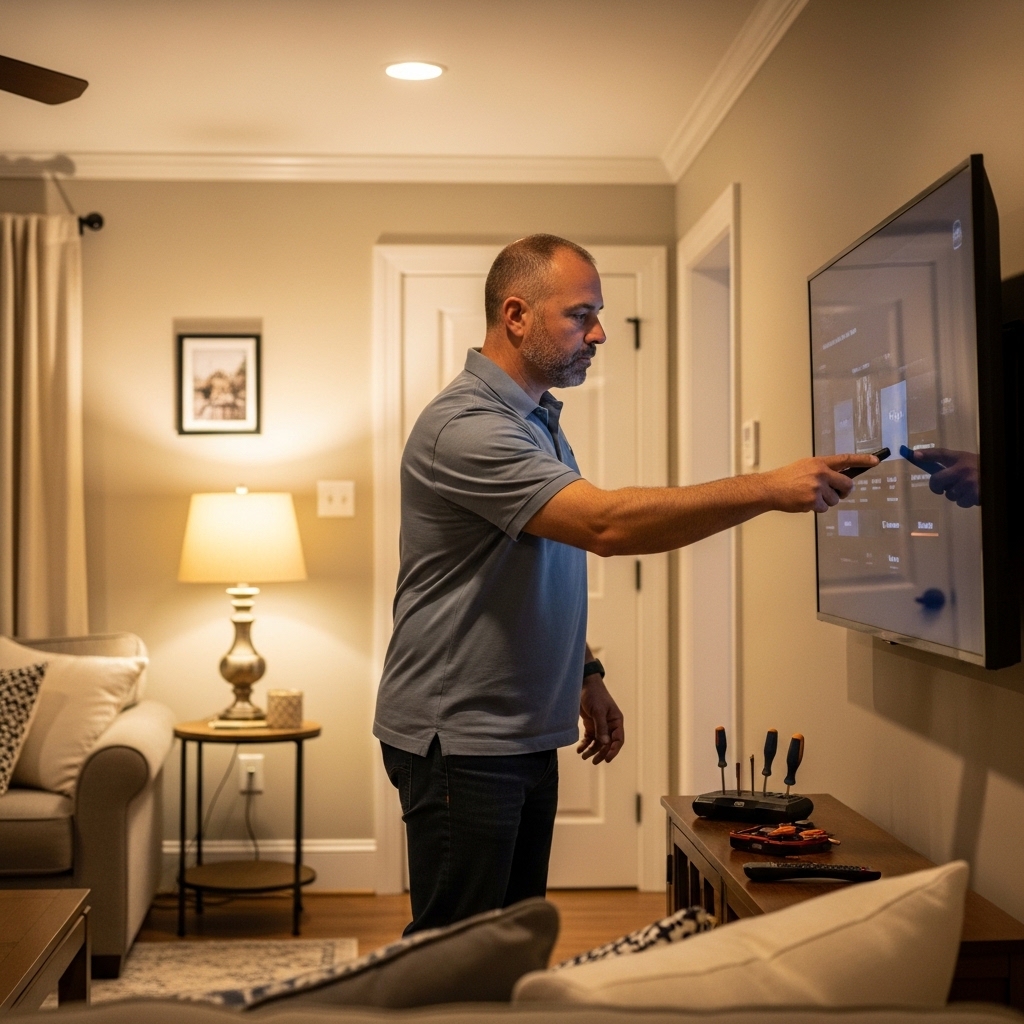

Stepping into an electronics store or browsing modern home theater listings quickly exposes buyers to a dizzying blizzard of acronyms. If you are upgrading from an older high-definition screen, you might wonder %what is the meaning of 4k uhd tv% and whether those extra numbers actually translate into a visibly sharper picture. A 4K display packs four times as many pixels as a standard 1080p panel, which yields dramatically tighter pixel density and reveals subtler textures in films, broadcasts, and modern video games. When paired with smart operating systems, these panels make everyday entertainment sharper and far more immersive across medium and large screen sizes.
Resolution is only one piece of the visual puzzle because modern sets also integrate advanced color mapping and high dynamic range to boost overall clarity. Exploring popular models like 55-inch streaming televisions highlights how backlighting, processing power, and software platforms work together to define overall image depth. Knowing the precise technical definition of Ultra HD helps you determine whether an entry-level screen or an advanced quantum dot panel best aligns with your living room dimensions and typical viewing habits.

Pros
- Clean, straightforward Roku interface that is easy for the whole family to navigate
- Crisp 4K picture quality with HDR support at a practical screen size
- Lightweight build makes unboxing, moving, and wall mounting very simple
- Generous connectivity suite with three HDMI inputs, USB, and HDMI ARC support
Cons
- Moderate peak brightness is best suited for rooms with controlled lighting rather than sunlit spaces
- Standard 60Hz panel lacks advanced gaming features like 120Hz refresh rates and VRR
- Built-in stereo speakers are modest and benefit from an external soundbar for rich movie audio
The TCL 43S435 is an entry-level 43-inch 4K Ultra HD smart television built around the widely popular Roku TV platform. Featuring a native resolution of 3840 x 2160 and direct-lit LED backlighting, this television delivers a sharp and detailed image in a compact footprint. Designed to bridge the gap between oversized living room centerpieces and tiny desktop monitors, it offers a balanced display size that adapts easily to everyday viewing needs.
This display is particularly well suited for apartment renters, college students in dorm rooms, and homeowners searching for a dedicated bedroom or guest room television. Families with kids and cord-cutters will appreciate the simple channel surfing and streamlined interface. It also works well for sports fans seeking a secondary screen for game-day watch parties or casual console gamers looking for a reliable screen for weekend sessions.
In terms of visual performance, the direct-lit LED panel produces dependable contrast and color accuracy for standard broadcast TV, daytime talk shows, and 4K streaming shows. HDR compatibility allows the display to process modern high dynamic range signals, providing improved highlight detail and color saturation in supported content. Motion handling operates at a native 60Hz refresh rate, which handles fast-paced sports and sitcoms smoothly. Casual gamers on PlayStation, Xbox, or Nintendo Switch will benefit from low input lag in Game Mode, though competitive gamers should note the absence of 120Hz refresh rates or variable refresh rate (VRR) technology.
Practical design and connectivity stand out as key strengths. The Roku TV operating system delivers snappy menu navigation, swift app loading, and compatibility with popular voice assistants through the Roku mobile app. Physical inputs include three HDMI 2.0 connections with HDCP 2.2, one of which supports HDMI ARC for easy soundbar setup. Additional ports include a USB media player input, composite video for legacy gear, an optical digital audio output, and a 3.5mm headphone jack. At just 16.5 pounds and featuring a standard 200mm x 200mm VESA wall mount pattern, mounting the screen on a wall bracket or setting it on a dresser is quick and stress-free.
Realistic limitations reflect its budget-friendly focus. The panel offers modest peak brightness, meaning direct sunlight from nearby windows can introduce reflections, and viewing angles narrow when watching from sharp off-axis positions. The integrated speakers provide clear dialogue for daily news and podcasts, but movie lovers will likely prefer adding an external soundbar for richer bass. For everyday streaming, bedroom entertainment, and secondary living spaces, this TCL 43-inch 4K Roku TV represents a solid, user-friendly choice that handles the essentials with ease.
The built-in Roku TV ecosystem remains one of the simplest and most dependable smart interfaces available for American streamers. Setting up favorite services like Netflix, Disney+, Prime Video, Hulu, and YouTube takes only minutes, with quick access directly from a customizable home screen.
Cord-cutters benefit from seamless live TV integration, allowing viewers to combine over-the-air antenna channels with free streaming channels in a unified electronic program guide. The included remote keeps navigation effortless with minimal buttons and dedicated app shortcuts, making it easy for family members of all ages to operate.
Weighing approximately 16.5 pounds without the stand, the TCL 43S435 is exceptionally easy for a single person to unpack and set up. Its compact width of 38.2 inches allows it to rest safely on media consoles, desks, or bedroom bureaus without requiring specialized heavy-duty furniture.
Those preferring a clean wall-mounted installation can utilize standard 200mm x 200mm VESA brackets. The side-facing input arrangement provides convenient access to HDMI ports and audio jacks even when mounted flat against a wall, simplifying cable management for a tidy entertainment setup.
Pros
- Excellent value for a 4K HDR smart TV with a large app selection and free live TV.
- Fast performance with Wi-Fi 6 and a responsive quad-core processor for smooth navigation.
- Built-in Alexa voice control makes finding content and managing smart home devices effortless.
- Four HDMI inputs provide plenty of connectivity for gaming consoles, soundbars, and streaming devices.
Cons
- Built-in speakers may lack deep bass for home theater enthusiasts; a soundbar is recommended for fuller audio.
- Brightness may not be ideal for very bright rooms with direct sunlight; best for moderate lighting conditions.
- Limited to 60Hz refresh rate, so not the best choice for competitive gamers seeking high frame rates.
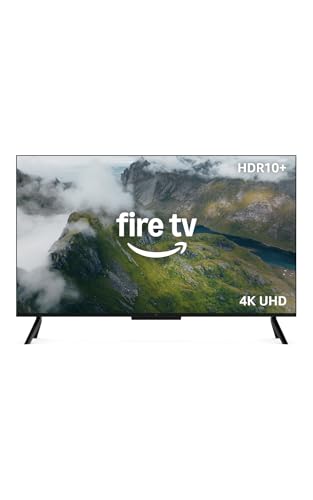
The Amazon Fire TV 43-inch 4-Series is a 4K Ultra HD smart TV designed to deliver a great entertainment experience without breaking the bank. It's an LED-backlit LCD TV that supports HDR10+ for enhanced contrast and color, making it a solid choice for movie lovers, families, and cord-cutters who want a simple, all-in-one streaming solution. With its built-in Fire TV platform and Alexa voice control, this TV is especially suited for streamers and anyone who wants to easily access Netflix, Prime Video, Disney+, Hulu, and thousands of other apps.
Picture quality is a strong point for this price range. The 4K resolution combined with HDR10+ support brings out details in both bright and dark scenes, so you'll notice improved clarity in your favorite movies and shows. While it doesn't have local dimming or the deep blacks of an OLED, the contrast is respectable for an LED TV, and colors look natural and vibrant. Motion handling is adequate for most content, though fast-paced sports or action movies may show some judder. Viewing angles are typical for an LED panel, so it's best to sit directly in front for the best picture.
Gaming performance is decent for casual gamers. The 60Hz panel and standard input lag are fine for most console games, but competitive players may want a TV with a higher refresh rate and VRR support. However, the ability to stream games via Amazon Luna and Xbox Game Pass without a console is a neat bonus for families and casual gamers. The four HDMI inputs give you plenty of room to connect a gaming console, soundbar, and streaming stick.
The smart TV experience is where this model shines. The Fire TV platform is fast and intuitive, with a new quad-core processor and Wi-Fi 6 support ensuring apps load quickly and navigation feels snappy. Alexa voice control is deeply integrated, letting you search for content, control smart home devices, or even ask for the weather with natural language. The included Alexa Voice Remote has preset buttons for popular apps, making it easy to jump straight to your favorites. The Ambient Experience feature is a nice touch, waking the TV to show artwork or a clock when you enter the room.
Setup is straightforward: plug in the TV, connect to Wi-Fi, and sign into your Amazon account. The TV comes with a simple stand, and VESA mounting is supported for wall installation. Sound quality from the built-in speakers is clear for dialogue and everyday viewing, but bass is limited. For a more immersive experience, especially for movies and gaming, pairing with a soundbar is recommended. The design is clean with slim bezels, though the TV is a bit thick compared to premium models.
Overall, the Amazon Fire TV 43-inch 4-Series is an excellent value for budget-conscious shoppers, apartment renters, and families who want a reliable 4K smart TV with a great streaming platform. It's perfect for a living room, bedroom, or dorm setup where ease of use and content access are top priorities. While it has some limitations in brightness and sound, its combination of features, performance, and price makes it a smart buy for everyday entertainment.

Pros
- Huge 85-inch display brings true theater immersion at an accessible size point
- User-friendly Roku TV interface makes app navigation and setup simple for all ages
- Direct compatibility with popular smart home assistants including Alexa, Google Assistant, and Apple HomeKit via Siri
- Clean 4K upscaling helps older HD cable broadcasts and classic shows look sharper
Cons
- Substantial 108-pound weight requires a heavy-duty wall mount or an extra-wide, sturdy media console
- Lacks advanced gaming features like native 120Hz refresh rates or HDMI 2.1 variable refresh rate
- Basic HDR brightness levels may struggle to overpower heavy glare in sun-drenched living rooms
The TCL 85-inch 4-Series 4K UHD Smart Roku TV (85S435) is an entry-level giant-screen LED television designed to bring a true cinema experience directly into spacious living rooms, finished basements, and dedicated home theater setups. Tailored specifically for sports fans, families who enjoy movie nights, cord-cutters, and budget-conscious homeowners wanting maximum screen acreage, this model focuses on delivering high-impact viewing without an overwhelming setup process. Its sheer 85-inch diagonal span turns living rooms into mini-stadiums for Sunday football and provides an expansive canvas for weekend streaming binges.
Visual performance is anchored by a sharp 4K Ultra HD panel that showcases plenty of detail across high-resolution streaming feeds, 4K Blu-rays, and modern gaming console graphics. Supported by standard High Dynamic Range (HDR), the display aims to provide richer colors and noticeable contrast improvements over older standard-definition screens. While it relies on direct LED backlighting rather than premium local dimming zones found on higher-tier QLED or Mini-LED sets, it maintains dependable black levels for relaxed evening viewing. Casual sports viewing and high-definition cable feeds benefit from dependable internal 4K upscaling, keeping fast action and broadcasts looking crisp.
Where this massive television shines in daily practicality is its integrated Roku smart TV ecosystem. The platform remains celebrated for its clean, clutter-free home screen that places HDMI inputs, broadcast TV antennas, and top streaming services side-by-side like smartphone apps. Viewers do not have to struggle through confusing nested menus to jump from a streaming app to a connected game console. Voice navigation is easily handled through the Roku mobile app or compatible smart home speakers, letting you search for favorite actors, launch channels, and swap inputs using Apple Siri, Amazon Alexa, or Google Assistant.
Physical presence is formidable, with the television measuring nearly 75 inches across and weighing in at roughly 108 pounds. The clean black chassis and minimalist bezels keep the focus squarely on the screen, though prospective buyers will need a very wide media cabinet or a robust, heavy-duty VESA-compatible wall mount anchored securely into wall studs. Audio is delivered through dual 15-watt built-in stereo speakers that generate enough volume for clear everyday news, sports commentary, and dialogue. However, pairing an 85-inch display with an external soundbar or multi-channel surround sound system is highly recommended to match the cinematic scale of the picture.
Buyers should keep realistic expectations regarding high-end home theater and next-gen gaming specs. The 4-Series operates at a standard 60Hz refresh rate and does not include advanced HDMI 2.1 gaming tools like Variable Refresh Rate (VRR) or 120Hz high-frame-rate modes. Peak brightness is tailored more for light-controlled rooms rather than spaces with wall-to-wall windows and heavy midday sun. Nevertheless, for homeowners, families, and sports enthusiasts seeking a genuinely massive 4K screen backed by the reliable convenience of Roku OS, the TCL 85S435 delivers tremendous everyday entertainment value.
Setting up an 85-inch screen fundamentally changes the home viewing dynamic, turning any family room or basement into a focal point for movie nights and major sporting events. At this scale, 4K resolution provides the clarity necessary to sit at a comfortable viewing distance without noticing individual pixels, making high-definition nature documentaries and blockbusters feel panoramic.
For casual console gaming with a Nintendo Switch, PlayStation, or Xbox, the TV delivers a responsive gaming mode that lowers input latency for snappy button reactions in platformers, racing titles, and family multiplayer games. Serious competitive gamers should note, however, that the panel is capped at a 60Hz refresh rate, meaning it cannot push the 120 frames-per-second capabilities of newest generation gaming hardware.
Audio setup deserves special attention given the sheer footprint of the panel. While the built-in 30-watt stereo system covers casual TV watching, dialogue and dramatic movie soundtracks benefit greatly from an external audio solution connected via HDMI ARC or digital optical output. Adding a dedicated soundbar with a wireless subwoofer helps fill out low-end bass and balances the audio with the colossal picture.
Roku TV remains one of the most accessible smart platforms on the market, especially for households with varied technical comfort levels. The home screen can be fully customized so kids can easily locate their cartoon apps while sports fans keep their preferred live-streaming packages front and center. Initial setup walks users through Wi-Fi connection, account linking, and input naming within just a few minutes.
Integration with popular voice ecosystems offers convenient everyday control without hunting down a misplaced remote. By connecting the TV to Apple Home, Google Home, or Amazon Alexa devices, users can turn the television on or off, adjust the volume, or switch to a connected Blu-ray player using hands-free voice commands from across the room.
Because the unit weighs over 100 pounds, planning the physical installation is crucial. A two-person lift is mandatory when unboxing and positioning the display onto a stand or lifting it onto a wall bracket. Ensuring the wall studs are precisely centered and utilizing a high-capacity VESA wall mount will ensure the setup remains safe and secure for years of family viewing.

Pros
- Quantum HDR with HDR10+ delivers impressive contrast and detail in bright and dark scenes.
- AI upscaling improves the look of HD and even standard-def content significantly.
- Samsung Gaming Hub offers a wide selection of cloud games with no hardware needed.
- Built-in Alexa and free streaming channels add great value for cord-cutters.
- Competitive price for a 65-inch QLED with advanced features.
Cons
- No Dolby Vision support, relying on HDR10+ which has less widespread content.
- Built-in speakers may lack deep bass for a truly cinematic experience; a soundbar is recommended.
- Limited to 60Hz refresh rate, which may not satisfy competitive gamers seeking 120Hz.
The Samsung 65Q7F is a 2025 model QLED 4K smart TV that aims to bring premium features to a more accessible price point. It combines Quantum Dot color technology with an AI-powered processor to enhance picture and sound in real time. This TV is designed for homeowners, apartment renters, and families who want a large, vibrant display for everyday entertainment without breaking the bank.
Picture quality is a strong suit here. The Quantum HDR (HDR10+) support delivers punchy highlights and decent black levels for a QLED panel. The AI upscaling is particularly useful for streaming older shows or cable content, making them look noticeably sharper. Colors are rich and accurate, and the TV handles bright room conditions well thanks to good peak brightness. However, it lacks Dolby Vision, which might disappoint home theater enthusiasts who prefer that format's wider availability.
For gamers, the Samsung Gaming Hub is a standout feature. It offers instant access to cloud gaming services like Xbox Game Pass and NVIDIA GeForce NOW without needing a console. The TV also supports Auto Low Latency Mode (ALLM) to reduce input lag, though it's limited to a 60Hz panel. This makes it great for casual and story-driven games, but competitive players may want a 120Hz model. The Object Tracking Sound Lite adds a sense of immersion, but the built-in speakers are average - a soundbar is a worthy upgrade for movie nights.
Smart TV performance is smooth thanks to the Tizen platform and the Q4 AI Gen1 processor. Apps load quickly, and the interface is responsive. Built-in Alexa allows for hands-free control, and Samsung Knox provides solid security for connected devices. The inclusion of over 2,700 free channels via Samsung TV Plus is a huge plus for cord-cutters, covering news, sports, and movies without any subscription.
Setup is straightforward: the TV comes with a simple stand, and VESA mounting is standard. The slim bezels give it a modern look that fits well in any living room or bedroom. Connectivity includes multiple HDMI ports (likely 2.1 on one port for eARC), USB, Wi-Fi, and Bluetooth. One limitation is the lack of HDMI 2.1 bandwidth for 4K at 120Hz, but for most users this won't be an issue.
Overall, the Samsung 65Q7F QLED TV is a strong contender for budget-conscious shoppers, families, and streamers who want a large 4K TV with excellent color, smart features, and gaming flexibility. It's not for hardcore gamers or those needing Dolby Vision, but for daily movie watching, sports, and casual gaming, it delivers impressive value.
The Samsung 65Q7F uses Quantum Dot technology to produce over a billion colors, resulting in vibrant, lifelike images. Quantum HDR with HDR10+ enhances contrast by dynamically adjusting brightness and color scene by scene. This means you get deeper blacks and brighter highlights in compatible content. The AI upscaling is effective at cleaning up lower-resolution sources, making HD and even standard-def look surprisingly sharp. While it doesn't support Dolby Vision, the HDR10+ performance is strong, and the TV handles reflections well in moderately lit rooms. For a QLED, black levels are good but not as deep as an OLED - some blooming may be visible in dark scenes with bright objects.
The Samsung Gaming Hub is the highlight for gamers, providing instant access to cloud gaming services like Xbox Game Pass, GeForce NOW, and Amazon Luna. The TV supports Auto Low Latency Mode (ALLM) to minimize input lag, making games feel responsive. However, the panel is limited to 60Hz, so it's best suited for single-player and story-driven titles rather than competitive shooters that benefit from higher frame rates. The Object Tracking Sound Lite helps with directional audio, but for a truly immersive gaming experience, a dedicated sound system is recommended. The TV also supports HDR10+ Gaming for enhanced visuals in supported titles.
Pros
- Easy setup and intuitive Fire TV interface with Alexa voice control.
- Good 4K HDR picture quality with HDR10+ support for improved contrast.
- Fast performance thanks to new quad-core processor and Wi-Fi 6 connectivity.
- Ambient Experience mode adds a decorative touch when the TV is not in use.
- Competitive price for a feature-rich 50-inch 4K smart TV.
Cons
- Brightness may be limited in very sunny rooms, reducing HDR impact.
- Built-in speakers are adequate for casual use but lack deep bass; a soundbar is recommended for better audio.
- Only 60Hz panel, not ideal for high-refresh-rate gaming or fast-paced sports if you prefer smoother motion.
The Amazon Fire TV 50-inch 4-Series is a solid entry-level 4K smart television designed primarily for streaming enthusiasts, cord-cutters, and families looking for a straightforward, all-in-one entertainment solution. With the latest Fire TV platform built right in, it offers seamless access to popular apps like Netflix, Prime Video, Disney+, Hulu, and more, plus free live TV channels with no subscription required. The included Alexa Voice Remote Enhanced makes it easy to search for content, control smart home gadgets, or ask for weather updates using natural speech.
In terms of picture quality, the 4-Series delivers 4K Ultra HD resolution with HDR10+ support, which enhances contrast and color accuracy for a more lifelike viewing experience. While not as bright as premium LED or OLED models, it handles dark scenes reasonably well thanks to improved contrast from HDR10+. Motion handling and upscaling of lower-resolution content are decent for this price range, making it suitable for movies, TV shows, and everyday news. For dark room movie nights, the TV performs admirably, though in brightly lit living rooms you may notice some glare.
The Fire TV platform is one of the easiest to navigate, with a clean home screen that organizes apps, live TV, and recommendations. Alexa integration is a standout feature- you can change channels, launch apps, adjust volume, or even control compatible smart lights without touching the remote. The Omnisense technology is a neat addition: sensors detect when you enter the room and wake the display to show artwork or quick-access menus, adding a touch of convenience and style to any space.
Gaming on this TV is geared toward casual and cloud-based play. You can stream titles from Amazon Luna or Xbox Game Pass without a console using your phone as a controller. However, with a 60Hz panel and no VRR or HDMI 2.1 support, it is not built for competitive or high-framerate gaming. For family-friendly titles or party games, it works fine. The four HDMI inputs provide plenty of connectivity for a soundbar, cable box, and a console, plus eARC support ensures easy audio setup.
Setup is straightforward: attach the two feet or mount it using the VESA pattern (standard 200x200). The bezels are slim, giving the 50-inch screen a modern look that blends into most living rooms or bedrooms. The included remote has dedicated buttons for popular streaming services, making access quick. Overall build quality is good for its price, with a stable stand and lightweight construction (under 19 pounds).
Realistically, the main limitations are brightness and built-in sound. In very bright rooms, HDR highlights may not pop as much, and the speakers lack bass for an immersive audio experience. A budget soundbar like the Amazon Fire TV Soundbar would complement this TV well. Despite these trade-offs, the Fire TV 50-inch 4-Series offers exceptional value for streamers, families, and anyone new to 4K smart TVs. It is a reliable choice for a secondary bedroom TV, a family room for kids and movies, or a primary living room for cord-cutters who prioritize streaming ease over absolute picture perfection.
Decoding 4K Ultra High Definition in Modern Displays
The term 4K Ultra High Definition designates a display standard featuring a native resolution of 3840 horizontal pixels by 2160 vertical pixels. Together, these grid lines create approximately 8.3 million individual picture elements across the screen surface. Consumer technology organizations standardized this 16:9 widescreen format to bring commercial cinema clarity into standard living spaces. While commercial digital cinema projectors utilize a slightly wider 4096 by 2160 format, consumer panels adhere strictly to 3840 by 2160 to match modern broadcast and streaming aspect ratios.
Many shoppers conflate the terms 4K and Ultra HD, yet manufacturers use them interchangeably on retail display packaging. The consumer definition extends beyond pure resolution to encompass modern aspect ratios, digital copyright safeguards, and digital video processing standards. Investing in a 4K television ensures that your home entertainment system can natively render ultra-high-resolution content without cropping or downscaling details. Understanding this core baseline allows buyers to evaluate how surrounding display technologies influence true picture fidelity.
The Technical Anatomy of 4K Resolution and Pixel Density
The leap from standard 1080p Full HD to 4K represents an exponential quadrupling of overall visual information. A traditional 1080p display operates with 1920 by 1080 pixels, delivering roughly 2.07 million image points across the panel. In contrast, 4K UHD multiplies both the horizontal and vertical pixel counts by a factor of two, packing over four times as much visual data into the same physical screen area. This dramatic density increase eliminates the visible grid pattern historically known as the screen-door effect.
Pixel density, measured in pixels per inch, determines how tightly packed these microscopic lighting elements remain relative to the screen dimensions. On a compact display such as the TCL 43-inch 4K UHD Smart LED TV – 43S435, pixels are packed exceptionally close together, producing exceptionally razor-sharp graphics at close range. As display sizes increase to 65 or 85 inches, the pixel count remains constant, meaning individual pixels expand in physical dimension. Maintaining a high pixel count ensures that even large screens retain smooth contours, natural facial textures, and razor-sharp text elements without obvious jagged edges.
The Critical Distinction Between 4K Resolution and High Dynamic Range
High resolution defines how sharp an image appears, but High Dynamic Range dictates how lifelike and vibrant that image truly looks. Resolution establishes the physical quantity of pixels, whereas HDR governs the contrast ratio and color range those pixels produce. Without capable contrast, a 4K image can still appear flat, dull, and washed out in a bright living room. Modern Ultra HD standards frequently pair 3840 by 2160 resolution with HDR formats such as HDR10, HDR10+, and Dolby Vision to expand the visible luminance spectrum.
High dynamic range allows video content to preserve subtle shadow textures in dark sequences while pushing bright highlights like sunlight or reflections to intense luminance levels. For example, displays like the Samsung 65-Inch Class QLED Q7F Series Samsung leverage Quantum HDR and HDR10+ dynamic tone mapping to adjust contrast frame by frame. Entry-tier sets such as the Amazon Fire TV 43″ 4-Series (newest model) also incorporate HDR10+ decoding to optimize contrast ranges within their panel hardware capabilities. Pairing 4K clarity with dynamic tone mapping ensures that fine visual highlights do not blow out into featureless white patches.
Backlight Architectures and Display Panel Types
A panel native resolution does not function in isolation from its underlying illumination architecture. Most affordable 4K televisions employ liquid crystal display panels lit by light-emitting diodes arranged either along the perimeter or directly behind the liquid crystal layer. Direct-lit configurations, such as the architecture utilized in the TCL 43-inch 4K UHD Smart LED TV – 43S435, position LEDs directly behind the LCD array to distribute light more evenly across the entire surface. This illumination method offers solid baseline uniformity compared to edge-lit alternatives, helping reduce harsh backlight pooling in darker scenes.
Premium LED panels incorporate advanced optical filter sheets to drastically improve color volume and saturated light output. Quantum dot displays integrate microscopic nano-crystals that emit highly precise wavelengths of red and green light when illuminated by blue LEDs. The Samsung 65-Inch Class QLED Q7F Series Samsung utilizes this QLED approach to present over a billion shades of color across varying brightness intensities. While flagship self-emissive OLED panels can toggle individual pixels completely off for perfect contrast, quantum dot LCD sets deliver exceptional color volume that excels in well-lit living spaces.
Upscaling Engines and Sub-4K Content Reproduction
A substantial portion of everyday broadcast television, legacy cable feeds, and syndicated sitcoms still streams in 720p or 1080i formats. Because a 4K display features a rigid grid of 3840 by 2160 physical pixels, it cannot simply display lower-resolution signals without scaling them to fill the screen. Display manufacturers build dedicated image processing engines into their chipsets to calculate and interpolate the missing visual data. Without capable upscaling, low-resolution video feeds would appear blurry, noisy, or surrounded by substantial black borders.
Modern processing hardware utilizes advanced spatial analysis and machine learning algorithms to reconstruct fine edges without exaggerating digital noise. For instance, the Samsung Q4 AI Gen1 processor found in the Samsung 65-Inch Class QLED Q7F Series Samsung analyzes incoming frames in real time to optimize color and clarify textures. Budget-focused processors in displays like the Amazon Fire TV 50″ 4-Series (newest model) rely on fast quad-core chips to smooth transitions and sharpen incoming 1080p streaming feeds. High-quality upscaling ensures that transitioning to a 4K panel improves older media rather than exposing compression artifacts.
Screen Size, Room Geometry, and Optimal Viewing Distance
The visual benefit of a 4K Ultra HD panel depends heavily on your seating distance relative to the physical screen diagonal. Human eyes possess a finite resolving power, meaning that sitting too far from a small 4K display makes it impossible to distinguish 4K resolution from 1080p. As screen dimensions grow, maintaining high resolution becomes paramount to prevent visible pixel grain. Industry viewing standards recommend positioning your primary seat so that the screen occupies between 30 and 40 degrees of your horizontal field of view.
In smaller bedrooms or dedicated home offices, compact options like 43-inch or 50-inch screens deliver immense pixel density even when viewed from four to six feet away. Conversely, open-concept living rooms and home cinema rooms benefit tremendously from massive displays like the TCL 85-inch Class 4-Series 4K UHD HDR Smart Roku. If you are exploring extra-large screen formats, consulting a guide on budget-friendly 75-inch screens can help you evaluate how room dimensions dictate screen sizing. Placing an 85-inch screen approximately nine to eleven feet from the couch creates an immersive, theater-quality viewing field without sacrificing pixel sharpness.
Gaming Capabilities and Signal Connectivity Standards
Connecting modern gaming consoles and desktop graphics cards to a 4K display requires adequate physical interface bandwidth. High-bandwidth digital content protection, known as HDCP 2.2, is mandatory across HDMI ports to transmit copy-protected 4K signals from streaming boxes and Ultra HD Blu-ray players. Standard HDMI 2.0 connections provide 18 Gbps of bandwidth, which is sufficient to handle 4K resolution at a 60Hz refresh rate with full HDR color. For higher-tier gaming hardware, modern ports enable low latency modes and smoother signal handshakes for uninterrupted play.
Modern smart platforms increasingly incorporate cloud gaming services directly into the television interface to reduce hardware friction. The Fire TV 4-Series sets, including the Amazon Fire TV 43″ 4-Series (newest model) and Amazon Fire TV 50″ 4-Series (newest model), support Amazon Luna and Xbox Game Pass cloud streaming without requiring a physical console. Meanwhile, the Samsung Gaming Hub consolidates cloud streaming services and console inputs into a unified dashboard. These gaming features leverage the native 4K display grid to deliver smooth, responsive visuals for casual and family gaming sessions.
Audio Connectivity, Bandwidth, and External Sound Integration
Modern 4K televisions feature slim bezels and ultra-thin chassis profiles that restrict physical space for internal acoustic drivers. While larger models like the TCL 85-inch Class 4-Series 4K UHD HDR Smart Roku pack 15W plus 15W integrated stereo speaker configurations, ultra-slim designs often struggle to reproduce deep bass and expansive surround effects. Buyers who prioritize cinematic sound frequently explore televisions built for sound quality or integrate external soundbars. Understanding audio connectivity options ensures your sound experience matches the visual fidelity of your 4K panel.
Transmitting uncompressed or high-bitrate surround audio from internal streaming apps to an audio receiver requires specialized connectivity. Displays like the TCL 43-inch 4K UHD Smart LED TV – 43S435 include HDMI ARC ports alongside optical audio outputs to route multichannel sound through a single connection. The Audio Return Channel allows the television remote to control external soundbar volume while passing Dolby Audio signals seamlessly. Samsung models further enhance spatial acoustics through Object Tracking Sound Lite, which matches directional audio cues to on-screen movement before passing signals to external sound systems.
Smart Operating Platforms and Interface Responsiveness
A 4K television relies heavily on its built-in smart operating system to deliver streaming apps, linear television channels, and device settings. Platforms vary widely in design philosophy, ranging from the uncluttered grid of Roku TV on the TCL 43-inch 4K UHD Smart LED TV – 43S435 to the recommendation-heavy Fire TV interface. Roku OS prioritizes simplicity by placing broadcast inputs, gaming consoles, and streaming services on a unified home screen. This streamlined layout ensures that non-technical household members can change inputs and launch channels without wading through complex nested menus.
Interface responsiveness depends heavily on underlying processor hardware, system memory, and network connectivity standards. The newest Fire TV 4-Series models integrate quad-core processors alongside Wi-Fi 6 support to accelerate app launching and maintain stable 4K data streams. Built-in Omnisense sensors and Alexa Voice Remotes enable ambient display features and hands-free voice control across connected smart home gadgets. Samsung Tizen platform incorporates Samsung Knox Security to protect sensitive account passwords and connected smart home devices against digital vulnerabilities.
Calibration Basics and Setup Verification for 4K UHD Panels
Many factory default television settings prioritize showroom visibility over accurate, lifelike color reproduction. Retail sets often arrive preset to Vivid or Standard picture modes, which push panel brightness and color saturation to unnatural levels while introducing aggressive sharpening. To experience true 4K content as directors intended, switch your picture mode to Filmmaker Mode, Cinema, or Movie preset. These calibrated presets disable artificial edge enhancement and maintain accurate color temperatures, allowing the panel resolution and natural film grain to shine through cleanly.
Factory settings frequently enable motion smoothing interpolation, commonly referred to as the soap opera effect, which can make cinematic 24-frame-per-second films look unnatural. Lowering or turning off motion interpolation preserves natural cinematic motion cadence while maintaining clear image resolution. Furthermore, check your external streaming players or game consoles to verify they are outputting a native 3840 by 2160 signal over high-speed HDMI cables. Confirming proper video input settings guarantees that your display receives pure 4K data rather than stretching a compressed 1080p source.
Wall Mounting Safety and Physical Screen Placement
Setting up a 4K television requires paying close attention to weight distribution, structural wall anchoring, and mounting standards. Displays follow universal VESA bolt hole patterns, such as the 200mm by 200mm pattern specified on the TCL 43-inch 4K UHD Smart LED TV – 43S435. Before hanging any television, verify that your wall bracket supports the screen weight and matches the specific millimeter spacing on the back chassis. Never attempt to mount a television directly into hollow drywall without anchoring lag bolts securely into solid wooden wall studs.
As screen sizes increase toward 65 and 85 inches, panel glass becomes thinner and significantly more fragile. Handling massive screens like the TCL 85-inch Class 4-Series 4K UHD HDR Smart Roku requires at least two individuals to lift the chassis safely without applying localized pinch pressure to the screen edges. Ensure your media furniture provides sufficient depth and weight capacity if using factory tabletop legs, or install anti-tip safety tethers to prevent accidental tipping. Proper physical placement protects your hardware investment and ensures optimal, level viewing angles from every seat in the room.
Choosing the right 4K Ultra HD television ultimately comes down to balancing panel resolution with your room dimensions, lighting conditions, and entertainment habits. The jump to 3840 by 2160 pixels ensures that movies, live sporting events, and video games render with remarkable clarity and lifelike detail. By considering backlighting architecture, HDR dynamic tone mapping, and intuitive smart operating platforms alongside pure pixel numbers, you can select a display that delivers exceptional picture performance for years to come.





Write Your Review
No reviews yet. Be the first to share your experience!