
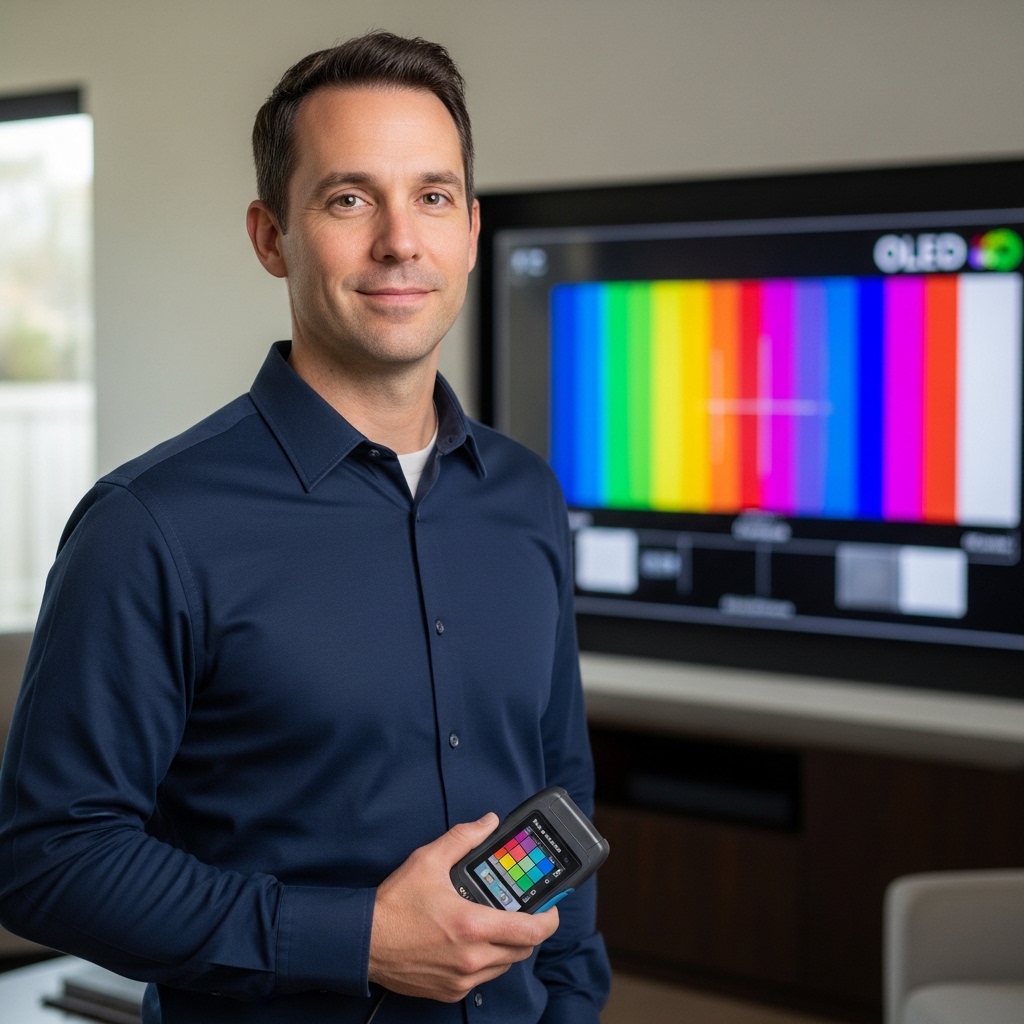

Navigating home entertainment settings can feel confusing when modern 4K televisions display low-resolution broadcast feeds or compressed streaming signals without clear visual confirmation. Integrated smart platforms handle signal decoding automatically behind the scenes, leaving viewers unsure whether their display panel is actively rendering every individual pixel. Discovering how to turn on 4k on hisense roku tv requires understanding how the physical panel interacts with external inputs and streaming services. Configuring input settings properly ensures connected consoles and streaming applications deliver genuine ultra-high-definition clarity without software bottlenecks.
Modern panel technologies deliver exceptional contrast and vibrant dynamic range, but improper port assignments can lock incoming video to legacy standard definitions. Exploring 55-inch streaming television options reveals how crucial proper bandwidth configuration is for enjoying pristine video streams. Adjusting your television menus enables full bandwidth passthrough across high-speed connections and optimizes internal streaming playback. Following a straightforward setup routine unlocks true 4K Ultra HD performance, vivid High Dynamic Range highlights, and responsive gaming performance.

Pros
- Instant plug-and-play operation with no complicated codes or pairing required
- Direct shortcut keys for four leading streaming platforms save navigation time
- Broad compatibility across a wide range of Hisense Roku 4K display sizes
- Ergonomic, lightweight build fits easily into everyday family living room use
Cons
- Requires direct line of sight to the TV IR sensor since it lacks RF wireless
- Does not include voice control functionality or a private listening headphone jack
- Requires two AAA batteries that are not included in the package
A misplaced or broken remote can instantly disrupt family movie night or an afternoon watching the big game. This replacement remote control is crafted specifically as an easy drop-in solution for Hisense Roku smart televisions. Whether your screen is a compact 43-inch set in an apartment bedroom or a large 65-inch 4K display anchoring a basement home theater, having direct tactile control over power, volume, inputs, and streaming menus is essential for everyday entertainment.
This clicker is best suited for busy households with kids, cord-cutters, apartment renters, and budget-conscious viewers who need a reliable replacement without spending a fortune. Original remotes often take a beating from daily use, accidental drops, or living room spills during Super Bowl watch parties. Having a dedicated replacement ready to go ensures seamless access to your favorite shows, morning news, and streaming apps without relying on a clunky smartphone remote application.
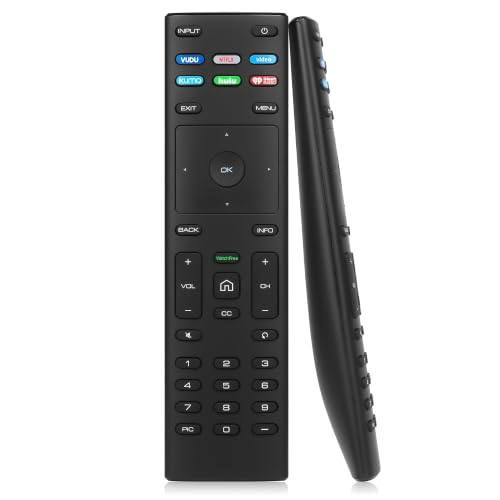
Day-to-day navigation mirrors the classic Roku OS experience, providing swift menu responses and dependable button travel. The four dedicated quick-launch buttons give one-touch access to major services like Netflix, Disney+, Apple TV+, and Prime Video, allowing viewers to jump directly into 4K HDR movies and series. An upgraded infrared chip ensures prompt communication with your television sensor, keeping latency low when scrolling through endless content libraries or adjusting volume on the fly.
Build quality focuses on practical comfort and simplicity. The chassis is lightweight and shaped to fit naturally in hands of all sizes, featuring clearly labeled rubber buttons that provide satisfying feedback. Setup could not be easier because the remote requires zero code entry, menu programming, or Bluetooth pairing. Simply insert two fresh AAA batteries, point the transmitter toward your display, and the remote immediately controls your Hisense TV.
There are a few functional limitations to keep in mind before buying. Because this model relies on standard infrared transmission, it requires an unobstructed line of sight to the bottom bezel of your TV to register commands. It does not support standalone Roku streaming sticks or streaming boxes, nor does it feature advanced extras such as built-in voice search microphones or headphone jacks for private listening.
For anyone seeking a straightforward, reliable replacement clicker for their Hisense Roku TV, this unit delivers outstanding practicality. It restores hassle-free control over high-definition streaming, family movie nights, and casual channel surfing without unnecessary complexity or setup headaches.
Getting this replacement clicker operational requires almost no effort, making it ideal for users who want an instant solution without technical troubleshooting. Because it is pre-coded for the Hisense Roku infrared standard, you do not have to hunt for four-digit brand codes, press reset buttons, or connect to your home Wi-Fi network. Installing two fresh AAA alkaline batteries is all it takes to regain command of power, volume, and smart menus.
Compatibility covers an extensive range of Hisense 4K and Ultra HD Roku TV models, spanning screen sizes from 32 inches all the way up to 75 inches. Supported models include popular series such as R6E, R6E1, R6E3, R7080E, R6090G, and H4C. Keep in mind that this remote is designed exclusively for televisions with integrated Roku software and will not function with standalone Roku Express boxes, streaming sticks, or displays made by other manufacturers.

Pros
- Simple plug-and-play infrared operation without tedious network pairing
- Direct factory compatibility with popular Hisense Roku TV series like H4030F1 and R6ER8F
- Lightweight and compact ergonomic design that feels familiar to use
- Affordable replacement solution for worn-out or lost television controllers
Cons
- Lacks voice control and microphone capabilities for spoken search commands
- Requires clear line-of-sight infrared aim toward the TV receiver
- Certain app shortcut buttons might vary depending on specific Hisense TV models
The Hisense Roku TV IR Remote is a dedicated infrared replacement controller engineered for viewers who rely on Hisense Roku smart televisions for their everyday entertainment. Designed primarily for owners of popular models like the H4030F1 and R6ER8F series, this clicker offers a budget-friendly way to restore full command over your screen. Whether you are an apartment renter tired of juggling a smartphone remote app, a family with kids who misplaced the original clicker, or a cord-cutter setting up a secondary bedroom TV, having a dependable physical remote remains an essential part of the home theater experience.
Daily interaction with modern smart platforms requires fast, responsive navigation, and this remote delivers direct access to the intuitive Roku interface. Switching between 4K HDR movie streaming, live sports broadcasts, and gaming inputs becomes effortless through its familiar directional pad and dedicated menu buttons. For movie lovers tweaking picture modes like contrast, brightness, or color temperature during late-night viewing, the remote allows quick access to on-screen settings without interrupting your streaming session on Netflix, Prime Video, or YouTube.
In terms of build quality and ergonomics, the controller features a lightweight, classic black chassis that fits naturally in the hand. Because it operates over standard infrared (IR) light, it bypasses the need for complicated Wi-Fi synchronization or Bluetooth pairing menus. Simply insert standard batteries, aim the sensor directly at your television, and begin browsing immediately. This hassle-free design makes it an ideal pick for guest rooms, dorm rooms, or living rooms where quick usability is prized above all else.
Potential buyers should consider a few practical operational trade-offs before purchasing. Unlike higher-end remotes that feature built-in microphones for voice search, this model relies strictly on physical button inputs, meaning spoken title queries are not supported. Additionally, because it uses standard infrared transmission, it requires an unobstructed line of sight to the TV panel receiver. Some users may also find that specific pre-programmed streaming app shortcut buttons can vary slightly depending on the exact Hisense production year or regional firmware.
Overall, this replacement remote delivers exceptional practicality and straightforward utility for any household running a compatible Hisense Roku display. It eliminates the frustration of unresponsive screens and brings reliable everyday control back to your family movie nights, weekend gaming sessions, and binge-watching marathons. For budget-conscious homeowners and streamers looking for an easy, no-fuss replacement, this accessory offers dependable performance at an accessible value.
Getting started with this Hisense Roku TV replacement remote requires virtually no technical effort. Because the device utilizes standard infrared signaling rather than radio frequency or Wi-Fi, there is no pairing code or wireless sync button required. Simply slide open the battery compartment, install the necessary batteries, and point the sensor directly at the lower bezel of your television.
The unit is tailored for seamless operation with popular Hisense series such as the H4030F1 and R6ER8F, while offering broad compatibility with numerous other Hisense Roku TV displays. Viewers should ensure that the path between the remote and the television sensor remains clear of soundbars or decorative items to maintain optimal responsiveness across the living room or bedroom.

Pros
- No programming, syncing, or pairing codes required before use
- Dedicated one-touch streaming buttons for fast Netflix and Hulu launching
- Extensive compatibility covering a vast selection of Hisense Roku TV models
- Compact, lightweight handheld form factor that is comfortable for the entire family
Cons
- Operates strictly via line-of-sight infrared and lacks voice search or hands-free controls
- Batteries are not included in the package and must be purchased separately
- Does not work with standalone Roku streaming sticks, streaming boxes, or non-Roku Hisense TVs
The Elekpia replacement remote control is a dedicated infrared TV accessory engineered specifically for Hisense smart TVs powered by the Roku TV platform. Lost, broken, or pet-damaged remotes can bring everyday living room entertainment to an abrupt halt, and this unit serves as a direct drop-in replacement without requiring tedious pairing steps or multi-digit code lookups. Based on the product specifications, setup is practically instantaneous: you simply slide in two standard batteries and start navigating the Roku interface immediately.
This practical remote is best suited for busy households, families with kids, apartment dwellers, cord-cutters, and budget-conscious streamers who rely on Hisense Roku televisions for their daily media diet. Whether managing bedtime cartoons in a kid's bedroom, tuning into live sports on a living room 4K display, or streaming movies on a weekend night, it provides standard navigation buttons in a familiar layout that anyone in the home can quickly master.
Responsive control is essential when browsing expansive streaming catalogs, adjusting picture modes for gaming, or tweaking sound settings during action-heavy films. This remote replicates the core functions of original factory units, featuring a precise directional navigation pad, volume and mute switches, and home access. It also includes dedicated one-touch shortcut buttons for favorite platforms like Netflix, Hulu, and Vudu, helping viewers jump straight into their preferred content without wading through the Roku home screen.
In terms of physical construction, the Elekpia remote features a lightweight, pocket-friendly design measuring 5.6 by 1.6 inches. It is built to replace popular Hisense remotes like the HU-RCRUS-20, HU-RCRUS-20G, and HU-RCRIS-21G series, and it pairs effortlessly with popular 4K and HD Hisense Roku models spanning the R6, R7, and H4 lines. The tactile rubber buttons offer clear feedback, while the compact casing fits comfortably in both adult and child hands.
While it handles essential TV operations smoothly, there are a few practical trade-offs to keep in mind. Because this unit relies on standard infrared signals, it requires a direct line of sight to the TV sensor and does not include radio-frequency wireless connectivity. It also lacks a built-in microphone for Roku voice search or private listening headphone jacks found on higher-end Roku remote models. Furthermore, it is engineered exclusively for Hisense Roku TVs and will not function with separate Roku streaming sticks or non-Roku Hisense Google TV or Android models.
For anyone searching for an affordable, hassle-free replacement controller to revive their Hisense Roku TV, this unit delivers exceptional everyday value. It provides dependable navigation for binge-watching, sports viewing, and family movie nights without unnecessary complexity, making it an easy recommendation for any homeowner or renter needing a dependable second remote.
Getting started with the Elekpia replacement remote is completely seamless because it requires zero programming, pairing codes, or complex menu setup. As long as fresh batteries are inserted correctly, the remote instantly sends the correct infrared commands to supported Hisense Roku smart televisions. This plug-and-play simplicity saves valuable time and eliminates the frustration often associated with generic universal remotes.
Compatibility covers an expansive roster of Hisense Roku displays, including popular 32-inch, 43-inch, 50-inch, 55-inch, and 65-inch models across the R6, R7, and H4 series. It functions as an exact replacement for original remote models such as HU-RCRUS-20, HU-RCRUS-20G, HU-RCRUS-21G, and HU-RCRIS-21G. Buyers should verify their television features the built-in Roku OS rather than Android TV or Google TV before purchasing.
Pros
- Supports both Dolby Vision and HDR10+ dynamic formats for rich picture contrast on compatible displays
- Voice remote combines streaming navigation with TV power and volume controls for easy daily operation
- Slim stick form factor stays hidden behind wall-mounted TVs and does not crowd neighboring inputs
- Long-range wireless receiver maintains steady connections in rooms with weaker Wi-Fi reception
Cons
- Requires power from an external wall outlet or a powered USB port on the back of your television
- Does not include an integrated Ethernet port for wired home theater network connections without an adapter
- Final video quality and audio depth remain dependent on your television panel and sound hardware
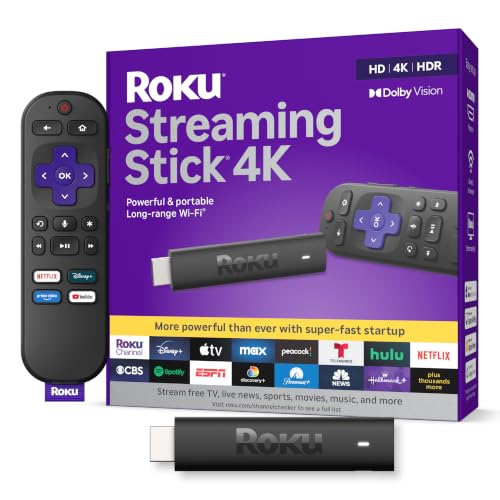
The Roku Streaming Stick 4K is an ultra-compact media streaming device engineered to plug directly into an available HDMI port on modern flat-screen televisions. Designed to deliver an intuitive and fast entertainment experience, this compact player serves as an effortless upgrade for homeowners, apartment renters, and families dealing with slow or outdated smart TV operating systems. Whether you are setting up a dedicated media room, adding smart features to a secondary bedroom display, or turning an older 4K panel into a modern cord-cutting hub, this streaming stick provides immediate access to thousands of streaming services and free live TV channels.
Picture quality remains a central highlight based on manufacturer specifications and user impressions. With support for 4K Ultra HD at 60 frames per second alongside high dynamic range formats like Dolby Vision and HDR10+, the device allows compatible screens to showcase deep black levels, expanded contrast, and rich color accuracy. Streaming blockbuster films or high-profile sporting events on platforms such as Netflix, Disney+, or Prime Video reveals sharp textures and vibrant highlights. The included Roku operating system handles video decoding efficiently, ensuring smooth motion rendering and clean upscaling when viewing standard high-definition programming.
Practical design details make this stick especially appealing for neat home theater setups. Unlike bulkier streaming boxes that require tabletop shelf space, this device plugs flush behind the television, making it an excellent match for wall-mounted displays and minimalist entertainment centers. Its slim profile prevents obstruction of neighboring HDMI inputs, leaving ample room for gaming consoles, Blu-ray players, or soundbar eARC connections. The built-in long-range Wi-Fi receiver is embedded directly along the power cable, which helps minimize signal interference behind dense television chassis and keeps 4K video streams steady across household rooms.
Daily operation is straightforward thanks to the included Roku voice remote. Home viewers can power on the television, adjust audio volume levels, and mute playback directly from the handheld controller, significantly reducing coffee table clutter. The built-in voice search functionality allows users to locate specific actors, genres, or movie titles across various streaming libraries without typing on an onscreen keyboard. Navigation feels snappy, with rapid app launch times that make switching between live news broadcasts, workout videos, and family movie marathons quick and frustration-free.
While this streaming player excels in convenience, a few practical limitations exist. The device requires continuous power from either an included AC adapter or a sufficiently powered USB port on the back of the TV, which adds a short cable run. Home theater enthusiasts seeking hardwired gigabit networking will also note the absence of a native Ethernet port, requiring an optional USB adapter for wired internet. Nevertheless, for streamers, sports fans, and cord-cutters seeking reliable 4K picture quality, robust HDR support, and simple navigation at a reasonable price, the Roku Streaming Stick 4K represents one of the most dependable streaming upgrades available.
High dynamic range makes a noticeable difference when watching movies and prestige television series on modern 4K screens. The Roku Streaming Stick 4K features compatibility with both Dolby Vision and HDR10+, allowing your television to interpret dynamic scene-by-scene metadata for balanced brightness and shadow detail. This helps prevent bright skies from washing out while preserving shadow nuances in darker cinematic sequences.
Because the device automatically detects your display panel capabilities during initial setup, it optimizes the video signal without requiring complicated manual display adjustments. For movie lovers who stream across multiple platforms, having broad HDR format support ensures that content looks as close to the director vision as your television screen allows.
Setting up the Roku Streaming Stick 4K takes only a few minutes. You simply insert the stick into any open HDMI port on your television, connect the included power cable with the embedded Wi-Fi receiver, and plug the USB cable into a wall outlet or compatible USB power port. The on-screen wizard guides viewers through wireless network connection, display resolution detection, and remote programming for television volume and power controls.
The straightforward physical footprint also makes this streaming stick an exceptional choice for travel. Apartment dwellers and frequent travelers can quickly unplug the stick and take their customized subscriptions, watchlists, and settings to dorm rooms, hotel suites, or vacation rentals without needing to sign into unfamiliar smart TV platforms.

Pros
- Swift menu responsiveness and rapid application loading across major streaming platforms
- Comprehensive HDR support including Dolby Vision and HDR10+ alongside Dolby Atmos audio pass-through
- Ethernet jack and Wi-Fi 6 provide versatile, high-speed networking choices for smooth 4K playback
- Backlit, rechargeable voice remote eliminates recurring battery purchases and fumbling in dark home theaters
Cons
- Desktop box form factor requires dedicated shelf space compared to compact streaming sticks
- Demands an external AC wall outlet rather than drawing power directly from standard TV USB ports
- Advanced cloud gaming features are more limited compared to specialized gaming consoles
The Roku Ultra stands as a dedicated high-performance 4K streaming media player tailored to bring modern entertainment capabilities to any living room, bedroom, or dedicated media space. Designed specifically for cord-cutters, movie buffs, sports fans, and busy families, this tabletop unit breathes new life into existing displays by upgrading older smart TV interfaces with an intuitive, lag-free operating system.
Visual and audio performance remain central to the viewing experience. Based on product specifications, the device handles 4K resolution effortlessly while delivering high dynamic range content via Dolby Vision, HDR10+, and standard HDR10. When paired with a capable OLED, QLED, or Mini-LED display, viewers can enjoy deep black levels, wide color gamuts, and balanced highlight details across blockbuster films and live sporting events. For audio enthusiasts, Dolby Atmos pass-through feeds multi-dimensional sound directly to soundbars or AV receivers, ensuring dialogue clarity and deep surround immersion during movie nights.
Under the hood, the hardware provides a noticeably snappy experience, with apps launching rapidly and menus scrolling smoothly. Network stability is anchored by Wi-Fi 6 connectivity, which helps maintain steady bitrates even in homes with multiple active smart devices. Home theater owners who demand rock-solid connections can take advantage of the rear Ethernet port for wired streaming, eliminating buffering during big game live streams or 4K HDR marathons.
The included Roku Voice Remote Pro adds considerable day-to-day convenience to the entertainment setup. Built-in motion-sensing backlighting ensures you can navigate controls in a darkened home theater room without turning on lamps. Hands-free voice commands let viewers launch shows, adjust volume, or search titles across services using simple verbal prompts. Furthermore, the integrated rechargeable battery eliminates disposable battery waste, while the lost remote finder provides an easy way to locate the controller when it slips between couch cushions.
While the player offers substantial capabilities, practical considerations should be kept in mind. Unlike slim streaming sticks that tuck entirely out of sight, the Roku Ultra is a tabletop unit that requires a flat surface near the television, along with an available HDMI port and standard electrical wall outlet. Additionally, viewers interested in heavy cloud gaming services will find the platform focused primarily on video entertainment rather than graphics-intensive interactive gaming.
For apartment renters, suburban homeowners, and budget-conscious tech buyers who want a premium streaming hub without replacing an otherwise great television, the Roku Ultra offers tremendous value. Its blend of broad format support, dependable networking, and comfortable hands-free remote functionality makes it a standout choice for daily household viewing.
Roku OS remains celebrated for its straightforward, uncluttered home screen that lets users organize preferred apps such as Netflix, Max, Prime Video, and Apple TV quickly. The clean design helps families with kids and casual viewers find content without wading through confusing promotional menus or sponsored clutter.
Beyond subscription services, the platform provides direct access to hundreds of free live TV channels, local news, and weather broadcasts via The Roku Channel. Integrated voice controls allow quick cross-app search results, presenting choices based on pricing and platform availability so viewers avoid paying twice for movie rentals.
Private listening flexibility is enhanced with Bluetooth Headphone Mode, which enables direct wireless pairing between the box and your favorite Bluetooth earbuds. This makes late-night television watching, bedroom streaming, or high-volume action movies enjoyable without disturbing resting family members.
Setting up the Roku Ultra takes only a few minutes out of the box. Users simply connect a high-speed HDMI cable to an available port on their television or receiver, plug the power adapter into an outlet, and follow the on-screen guided setup instructions to connect to the home network.
Connectivity options are well suited for versatile home entertainment environments. The inclusion of Wi-Fi 6 delivers efficient wireless range and speed for homes with modern routers, while the physical Ethernet port provides a reliable wired alternative for basement home theaters where wireless signals may be weak.
The compact footprint measures roughly 5 inches across, allowing it to nestle cleanly beside soundbars, atop media consoles, or inside ventilated TV stands without generating clutter or requiring complicated mounting hardware.
How to Enable and Verify 4K Resolution on a Hisense Roku TV
Achieving authentic ultra-high-definition clarity on an integrated television requires aligning physical hardware with compatible source signals. Many viewers mistakenly believe their panel operates in standard definition because an external gaming console or streaming service delivers a softened picture. Understanding how to turn on 4k on hisense roku tv begins with knowing that the liquid crystal panel maintains a fixed 3840 by 2160 pixel grid. Activating full clarity involves configuring input bandwidth parameters, establishing correct Roku OS display formats, and verifying source content delivery.
Native 4K Panel Architecture Versus Incoming Signal Resolution
Every 4K television manufactured by Hisense contains a physical display matrix with over eight million individual pixels. This native resolution remains active whenever the screen turns on, meaning the panel itself cannot be toggled into a lower hardware grid. Sub-4K content like 1080p cable feeds or 720p broadcast signals undergo internal scaling through an upscaling engine to fill every physical pixel. When a screen looks blurry or washed out, the problem stems from source delivery or software handshakes rather than an inactive pixel array.
Standard definition content stretched across large screens can highlight compression artifacts and visual noise. This visual softness often leads users to question whether their display is truly presenting ultra-high-definition images. When evaluating budget big-screen televisions, large panel diagonals make source resolution limitations much more apparent to the human eye. Providing a genuine 4K stream or configuring external HDMI ports properly guarantees the panel displays crisp native detail without artificial blurring.
Enabling Enhanced HDMI Input Modes for External Devices
Connecting a modern gaming console, 4K Blu-ray player, or external media hub to an HDMI port often results in a restricted 1080p signal by default. Hisense Roku televisions frequently ship with HDMI ports configured to a legacy standard mode to ensure compatibility with older electronics. This standard configuration caps bandwidth at HDMI 1.4 transfer rates, preventing connected electronics from negotiating 3840 by 2160 video at 60Hz. Unlocking native output requires changing the port setting to allow full HDMI 2.0 or modern high-speed communication.
To adjust this parameter, select the active HDMI input tile on the Roku home screen where your external source is connected. Press the Star button on your remote control to reveal the contextual settings sidebar on the left side of the screen. Scroll down through the options to locate TV Settings, select HDMI Mode, and switch the option from Standard to Enhanced. This command instantly re-establishes the video handshake, providing the bandwidth necessary for 4K video signals alongside wide color profiles.
After toggling the HDMI port to Enhanced mode, the screen may flicker momentarily while re-synchronizing with the source. Your connected gaming console or media player will detect the expanded signal capability and automatically unlock higher resolution tiers. If the connected device does not switch automatically, enter its internal video output settings and manually select 2160p resolution. Taking this straightforward step eliminates the primary hardware bottleneck preventing ultra-high-definition playback across external ports.
Configuring Roku OS Display Settings on Internal and External Players
The Roku operating system manages streaming resolution dynamically based on detected display capabilities and available network bandwidth. Internal apps like Netflix, Disney+, Prime Video, and YouTube automatically target 4K playback when configured properly within the platform. If the operating system mistakenly detects an incompatible display handshake, it can limit system-wide playback to lower definitions. Checking the native display calibration within system preferences ensures the operating system targets the highest available frame rate and resolution.
Navigate to the home screen using your remote control and select Settings from the main vertical navigation menu. Open the Display Type submenu to inspect the active display profile currently chosen by the software. While Auto Detect works reliably in most instances, manually selecting 4K 60Hz TV or 4K 60Hz HDR forces the operating system to test the panel at full capacity. The system runs an automated hardware check to confirm signal timing and stability before applying the higher resolution profile.
Accept the prompt to keep the newly confirmed display setting once the visual confirmation screen appears. If the screen remains black or experiences rapid visual distortion during this test, the hardware safely reverts to the prior profile after fifteen seconds. Completing this manual confirmation guarantees that internal applications receive system-level permission to request full 3840 by 2160 video streams. This fundamental check establishes an ideal operational baseline for both internal streaming apps and connected hardware.
Menu Navigation Using Dedicated and Replacement Remote Controls
Accessing picture settings and input menus requires a responsive navigation remote with functional contextual buttons. The dedicated Star button serves as the primary gateway to picture adjustments, audio menus, and HDMI format toggles on Hisense Roku sets. Losing or breaking an original remote can hinder your ability to calibrate inputs or toggle crucial display features. Utilizing a dedicated infrared replacement remote restores full access to hidden configuration menus without requiring complex pairing sequences.
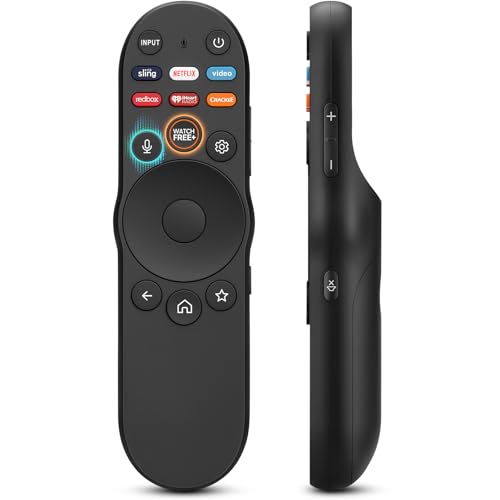
A compatible accessory such as the 2024 OEM Replacement Remote Control Compatible operates immediately upon battery insertion without programming steps. It includes direct application shortcut keys and the essential Star key needed to access contextual input settings during live media playback. Similarly, the Hisense Roku TV IR Remote provides straightforward infrared commands designed for various Hisense model series. Having reliable directional arrows and dedicated shortcut controls ensures you can navigate into system menus swiftly whenever display settings require adjustment.
Budget-friendly replacement options like the Remote Compatible with All Hisense Roku TV offer an accessible way to regain complete menu control. Universal infrared designs allow users to switch inputs, confirm display type tests, and adjust picture presets across a wide array of Hisense Roku sets. While mobile application remotes provide an alternative through local wireless networks, a physical infrared controller ensures direct access even during network disruptions. Keeping a functional controller on hand prevents setup hurdles and keeps your display calibration accessible.
Upgrading to Standalone 4K Streaming Hardware
Older integrated television processors can experience system sluggishness as streaming application requirements expand over time. When internal applications become unresponsive or struggle to buffer high-bitrate video, a dedicated streaming player can revitalize overall performance. Modern standalone players offer robust processing power, advanced Wi-Fi reception, and broad dynamic range decoding. Connecting an external streaming device directly into an Enhanced HDMI port provides a snappy interface along with consistent 4K streaming.
The Roku Ultra, Ultimate Streaming Player represents a top-tier media device supporting 4K resolution, HDR10+, and Dolby Vision playback. Its responsive processor launches media apps rapidly, while the included rechargeable voice remote offers backlit keys and hands-free control. External players of this caliber bypass legacy internal processing limitations, decoding complex video profiles effortlessly. For viewers seeking high performance without replacing their television, adding a dedicated media unit delivers smooth navigation and reference-level streaming streams.
For a more compact installation that plugs directly into a rear port, the Roku Streaming Stick 4K with Voice Remote provides a discreet alternative. It includes a long-range wireless receiver designed to maintain high data throughput even when positioned far from a home router. The device supports Dolby Vision alongside HDR10+ to deliver vivid colors and sharp detail across compatible 4K panels. Comparing these options against affordable compact displays demonstrates how external streaming units can modernize any compatible entertainment setup.
Verifying Resolution, Bitrate, and Dynamic Range Formats
Confirming whether an active video stream delivers true 4K resolution requires checking real-time stream metrics during playback. Many streaming platforms automatically downscale picture quality when internet connection speeds drop below threshold limits. Most applications do not announce this quality drop, quietly streaming 1080p or 720p content while your television upscales the signal. Checking on-screen diagnostic banners reveals the exact resolution and color format currently entering the video processor.
Pressing the Star button on your remote control during playback frequently displays a status banner showing incoming resolution and high dynamic range metadata. When streaming content on platforms like YouTube, accessing the technical playback stats exposes the current viewport and incoming stream resolution in real time. If a stream indicates 3840 by 2160 alongside an HDR10 or Dolby Vision badge, your television is actively presenting native 4K signals. If the diagnostic screen displays 1920 by 1080, the source stream is constrained by bandwidth or subscription limits.
Subscription tier restrictions represent another frequent reason why streaming content fails to trigger full 4K output. Platforms like Netflix require specific premium subscription tiers to unlock ultra-high-definition streaming libraries. Without an active premium tier, the application limits output resolution to standard high definition regardless of television capabilities. Verifying your plan details alongside active on-screen badges ensures your hardware receives the uncompressed pixel data necessary for optimal picture clarity.
Troubleshooting Signal Bottlenecks, HDCP Errors, and Bandwidth Drops
Physical HDMI cables play a critical role in transmitting high-bandwidth video signals between external playback devices and television inputs. Older HDMI cables manufactured under legacy standards often lack the shielding and data transmission speeds required for 4K video at 60Hz. When an inadequate cable attempts to carry high-bitrate signals, viewers may encounter flashing black screens, sparkle artifacts, or automatic resolution drops. Upgrading to a certified Premium High Speed or Ultra High Speed HDMI cable prevents communication bottlenecks across external inputs.
Digital copy protection handshakes, known as HDCP 2.2, also dictate whether 4K playback is permitted across external video connections. If an intermediate audio receiver or soundbar lacks HDCP 2.2 passthrough compliance, connected players will downscale output to standard 1080p. Connecting playback devices directly to the Hisense Roku TV and utilizing HDMI eARC for audio return avoids handshake conflicts entirely. This direct connection routing ensures uninterrupted HDCP compliance while preserving multichannel audio signals sent to external sound equipment.
<nNetwork connectivity limitations represent another prominent cause of unexpected resolution degradation during streaming playback. Ultra-high-definition streaming typically demands a continuous, reliable download speed of at least twenty-five megabits per second. Connecting your television via a five-gigahertz wireless band or a dedicated Ethernet cable significantly improves connection stability. Minimizing wireless interference ensures streaming applications maintain continuous high-bitrate feeds without buffering pauses or sudden visual quality drops.
Calibrating Picture Modes and Video Processing for Native Clarity
Factory picture presets often ship with aggressive digital sharpening, oversaturated color gamuts, and excessive motion interpolation enabled. While these vibrant settings might appear eye-catching on retail display floors, they mask fine texture detail and introduce unwanted halo artifacts. Access the Picture Settings menu while viewing 4K content to switch the preset to Movie, Theater, or Filmmaker Mode. These calibrated profiles prioritize accurate color temperatures and balanced contrast, revealing the subtle micro-contrast that defines high-resolution content.
Reduce artificial sharpness controls to neutral levels to prevent white ringing lines from outlining actors and fine objects. Disabling aggressive motion smoothing eliminates the unnatural soap opera effect, preserving the authentic twenty-four frames per second cadence of cinematic films. Adjusting backlight levels to match room ambient light ensures dark scenes maintain deep black levels without washing out shadow details. Taking time to refine basic picture parameters guarantees your panel delivers the clean, natural clarity expected from modern 4K displays.
Achieving authentic ultra-high-definition playback on a Hisense Roku TV relies on proper configuration across the entire signal pathway. Verifying Enhanced HDMI inputs, selecting the correct system display type, and checking network throughput ensures that every pixel operates as intended. Pairing these software adjustments with capable physical remotes or dedicated external players guarantees seamless access to top-tier content. With your television configured to handle high-bandwidth signals, you can enjoy crisp textures, accurate colors, and immersive visual entertainment across every viewing session.





Write Your Review
No reviews yet. Be the first to share your experience!