
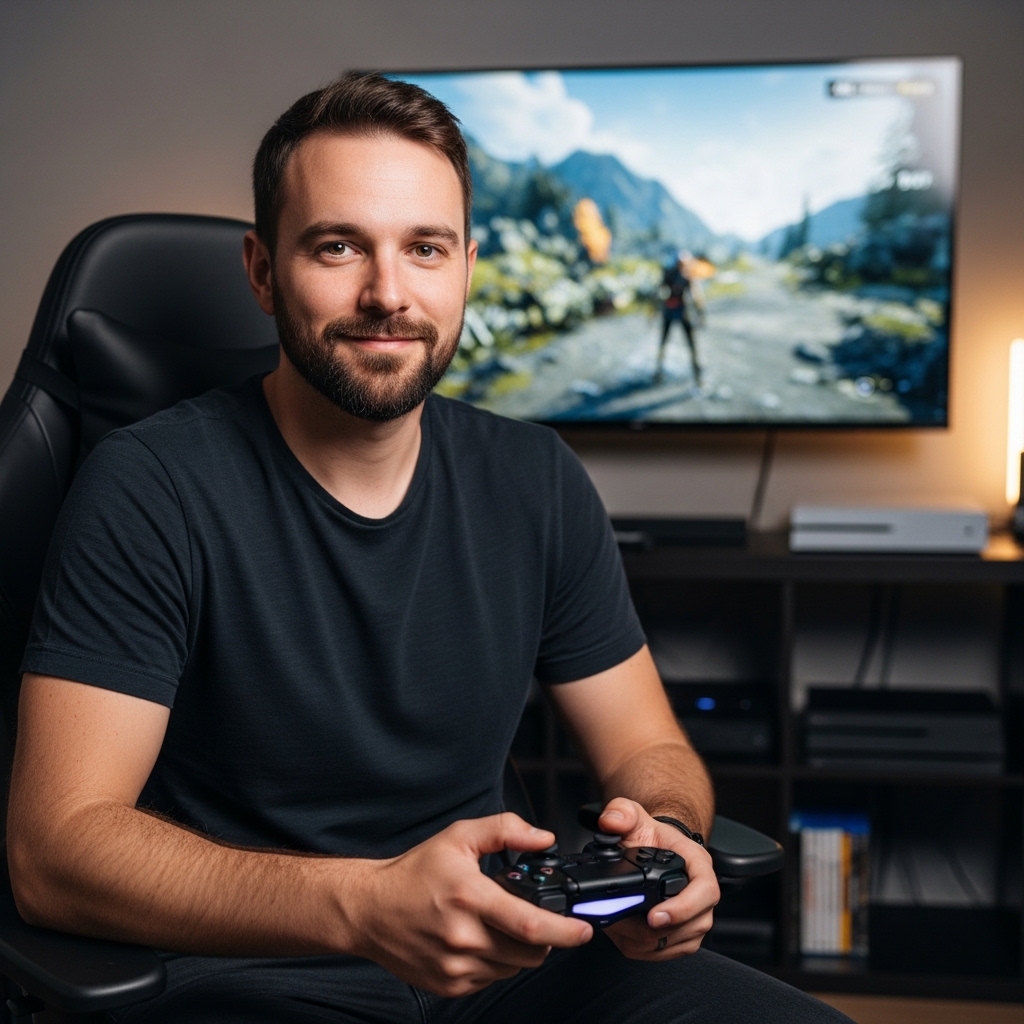

Navigating modern display specifications often forces buyers to weigh razor-sharp visual resolution against high fluid motion rates. While ultra-high-definition resolution brings incredible clarity to home theaters, asking whether is a 60hz 4k tv good remains a central consideration for budget-conscious viewers and media enthusiasts. Modern display panels operating at sixty cycles per second can render crisp four-thousand-pixel video effortlessly, making them an appealing option for standard cable broadcasts, cinematic films, and everyday family viewing. Understanding how panel refresh timing interacts with modern content pipelines helps clarify whether a standard panel satisfies your home theater requirements or leaves you wanting more.
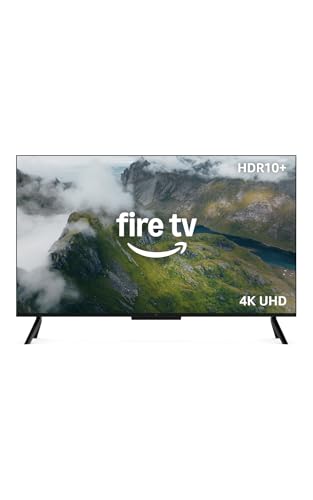
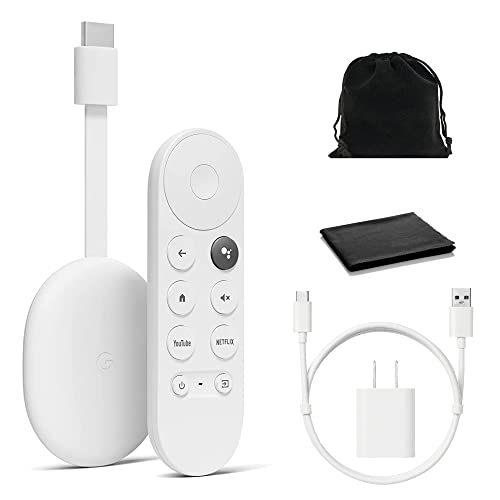
For standard television shows, documentary programming, and popular streaming apps, sixty hertz provides more than enough bandwidth to deliver clean images without unwanted visual stutter. High-performance gaming consoles and competitive action, however, often demand double that frame rate to unlock optimal responsiveness and reduced input latency. Exploring dedicated streaming television options shows that picture processing engines, High Dynamic Range support, and contrast ratios frequently shape your visual experience far more than raw panel refresh numbers alone. Examining hardware connectivity, cable throughput, and room lighting will reveal exactly how these displays perform under everyday entertainment conditions.

Pros
- Delivers crisp 4K visual output at 60Hz with low latency for casual gaming and video playback
- Simple plug-and-play setup requires no external power adapter or complex software configurations
- Space-saving, lightweight design fits easily behind wall-mounted TVs or crowded entertainment stands
- Cost-effective solution to expand HDMI inputs on budget televisions and secondary displays
Cons
- Requires manual button switching because automatic input detection is not supported
- Does not support HDMI CEC, meaning connected devices cannot be powered or controlled through the switch
- Strict cable length limitations require short HDMI cords (under 6.5 feet total) to maintain 4K@60Hz reliability
For apartment renters, dorm residents, and home theater fans juggling multiple gadgets, limited television ports can quickly become an irritating obstacle. The Anker 2-in-1 HDMI Switch addresses this everyday annoyance by allowing users to connect two media sources into a single television or monitor input. Designed specifically for entertainment hubs that have run out of HDMI jacks, this compact accessory provides a neat way to alternate between your favorite electronics without crawling behind the entertainment center to unplug cables.
Picture clarity remains a primary concern when inserting any intermediary hardware into a video setup. According to product specifications, this switcher supports video resolutions up to 4K at 60Hz, ensuring that high-definition content from streaming services like Netflix, Prime Video, or Disney+ retains crisp detail and fluid motion. Sports fans watching live broadcasts or families gathering for weekend movie nights can appreciate the clean video pass-through that keeps colors vibrant and lines sharp on modern 4K LED, QLED, and OLED displays.
For gaming marathons and weekend entertainment, having both a gaming console and a streaming player linked to the same display makes life much easier. Players can pair a PlayStation or Nintendo Switch alongside an Apple TV or Roku player, toggling between gameplay and binge-watching at the press of a central button. The manual switch mechanism offers direct control over source selection, preventing unexpected mid-game source jumps that can occasionally occur with auto-switching boxes.
The physical design is remarkably small and lightweight, allowing it to rest discreetly on an entertainment shelf or tuck directly behind a wall-mounted living room TV. Its minimal footprint helps reduce cable strain on the television chassis, effectively protecting your TV's built-in ports from repetitive physical wear. Backed by Anker's standard 18-month warranty coverage and friendly customer support, the device provides peace of mind alongside clean cable management.
Prospective buyers should keep a few operational parameters in mind before finalizing their setup. The unit relies strictly on manual push-button toggles rather than automated signal detection, and it does not support HDMI CEC control. Furthermore, achieving stable 4K at 60Hz requires keeping the combined length of high-speed HDMI cables under 6.5 feet. For budget-conscious homeowners, college students, and casual gamers wanting a simple, reliable way to double their port capacity, this Anker switch remains a practical and straightforward audio-video accessory.
Configuring your home entertainment system with the Anker 2-in-1 HDMI Switch requires understanding basic connection requirements for optimal signal integrity. The switcher features two standard HDMI input ports and one HDMI output port, engineered to feed a single television or monitor display at a time.
To ensure steady 4K resolution at 60Hz without flickering or signal dropout, the manufacturer recommends using high-quality 30AWG HDMI cables with input and output lengths under 3.3 feet each, keeping the total combined span under 6.5 feet. This short cable run minimizes signal degradation when transmitting bandwidth-heavy Ultra HD video and multi-channel audio to your smart TV.
Users should also account for the omission of HDMI CEC functionality, which means turning on a connected console or streaming media player will not automatically switch TV inputs or adjust volume. Instead, a swift press of the physical button on the switcher box instantly swaps the active channel, providing dependable, predictable control across all attached media gear.

Pros
- Reliable 4K at 60Hz mirror output preserves vibrant colors and sharp detail across two screens
- Smart downscaling enables mixed resolution setups between 4K UHD TVs and 1080p displays
- Includes both a 5V power adapter and an HDMI 2.0 cable for quick, hassle-free installation
- Compact footprint tucks away easily behind living room TV stands or home theater consoles
Cons
- Mirrors duplicate screens only and cannot extend desktop displays to show separate content
- Does not support HDMI ARC, eARC, or CEC pass-through features for soundbars and unified remotes
- Requires constant external USB power to ensure stable dual-screen signal transmission
The avedio links 4K@60Hz HDMI Splitter is an active 1-in-2-out distribution amplifier engineered to solve a common home entertainment challenge: sharing one video source across two separate screens. Whether you are an apartment renter wanting to mirror your streaming box to both a living room TV and a bedroom monitor, or a homeowner setting up a backyard projector alongside an indoor display for family gatherings, this compact adapter provides a reliable hardware link without complex networking equipment.
Visual fidelity remains sharp thanks to HDMI 2.0b compliance, supporting pristine 4K resolution at 60Hz with uncompressed RGB 4:4:4 color and 18.5Gbps bandwidth. High dynamic range content retains its punchy highlights and deep black levels across compatible displays. One of the standout practical features is the integrated auto-downscaling engine. If you hook up a modern 4K OLED TV in your main media room and an older 1080p LED display in your kitchen or patio, the splitter detects the lower resolution screen and downscales the video feed automatically, preventing black screens or forced lower resolutions on your primary display.
For sports fans and console gamers, maintaining smooth motion is critical during intense action. The splitter handles 1080p signals up to 120Hz, making it a viable companion for gaming consoles like the PlayStation 5, Xbox Series X, or Nintendo Switch when playing fast-paced titles. During Super Bowl watch parties or fight nights, broadcasting the exact same low-latency feed to two screens keeps everyone engaged without annoying audio echo or broadcast delays between rooms.
Build quality is sturdy and unobtrusive, allowing the pocket-sized box to hide behind wall mounts, inside media cabinets, or along cable management raceways. The package includes a dedicated 5V power brick and a 4-foot high-speed HDMI 2.0 cable, ensuring you have the necessary gear to get running right away. For optimal signal integrity at 4K resolution, using 26 AWG HDMI 2.0 cables under 16 feet on both outputs provides the cleanest transmission without artifacting or dropouts.
While this splitter excels at mirroring, it is strictly designed for duplicate feeds. It does not act as an HDMI switcher, cannot extend desktop displays for multi-window computer work, and does not pass through HDMI ARC, eARC, or CEC control commands. If you need unified single-remote control or soundbar audio return channels, those connections must bypass the splitter. Overall, for budget-conscious viewers, sports lovers, and home theater hobbyists seeking an affordable way to clone 4K media across two displays, this little box delivers straightforward utility and consistent picture quality.
This distribution box features one standard HDMI 2.0b input and two mirror HDMI 2.0b outputs capable of 18.5Gbps total bandwidth. It accommodates full Ultra HD 3840x2160 video at 60Hz, 30-bit and 36-bit deep color profiles, and standard audio formats including Dolby TrueHD and DTS-HD Master Audio.
To maintain peak video reliability at 4K 60Hz, keep your HDMI cables under 16 feet. For 1080p runs to a secondary room or garage workshop, lengths up to 32.8 feet are supported. Because this unit relies on continuous 5V USB power via the bundled wall adapter, it maintains active signal boosting to prevent flickering across both connected screens.
Creating an entertaining multi-screen environment is easy with a mirror splitter. Connect your Apple TV, Roku Ultra, cable set-top box, or Blu-ray player directly to the splitter input, then run one output to your main home theater screen and the second output to an auxiliary TV or outdoor projector.
Thanks to the automatic resolution downscaler, you do not have to purchase identical televisions to enjoy simultaneous viewing. Your flagship 4K display continues showing rich 4K content while your secondary screen displays a clean 1080p image, making it great for basement bars, patio cookouts, and whole-home game day entertainment.

Pros
- Certified Ultra High Speed HDMI 2.1 capability ensures reliable 4K at 120Hz console gaming performance
- Passes high-bitrate Dolby Atmos audio seamlessly through TV eARC ports without lip-sync lag
- Sturdy double-braided nylon jacket guards against pinching behind tight media cabinets
- Eliminates flickering and black screen delays when switching resolution or frame rates
Cons
- The 6.6-foot reach may prove too short for long in-wall runs or oversized home theater rooms
- Braided exterior makes the cable slightly thicker and less pliable around sharp 90-degree corners
The UGREEN 8K HDMI 2.1 Cable is an Ultra High Speed digital interconnect engineered to bridge modern 4K and 8K smart TVs with performance-heavy media equipment. Choosing a dependable high-speed cord is essential for any living room setup or dedicated basement media room. This cable is well suited for console gamers, sports fans, movie lovers, and streamers who want consistent video signals without frustrating intermittent blackouts or audio delays.
Picture quality relies heavily on clean bandwidth pass-through, and this cord provides the full 48Gbps pipeline necessary for today's advanced display standards. It carries Dynamic HDR, Dolby Vision, and HDR10+ metadata directly to your screen, helping premium OLED and QLED panels showcase their full contrast ratios, peak brightness, and deep black levels. Movie lovers streaming 4K HDR content will appreciate the stutter-free color reproduction, while the eARC compatibility sends lossless Dolby Atmos and DTS:X audio directly from native smart TV apps to external soundbars or multi-channel AV receivers.
For owners of a PlayStation 5, Xbox Series X, or dedicated gaming PC, this cable enables the key features modern displays are built to deliver. By supporting 4K resolution at 120Hz alongside Variable Refresh Rate (VRR) and Auto Low Latency Mode (ALLM), it keeps fast-paced action titles fluid and free from screen tearing. Quick Media Switching (QMS) and Quick Frame Transport (QFT) also operate behind the scenes to avoid black screen pauses whenever a console switches video formats.
Build quality is sturdy, combining a double-braided nylon outer jacket with aluminum alloy connector shells designed to endure repeated bending behind TV consoles. The nickel-plated connectors provide a secure, snug fit inside television inputs to prevent accidental disconnections. At 6.6 feet, the cable provides an ideal length for standard media credenzas, floating entertainment centers, and low-profile wall mounts without creating excessive clutter.
A practical consideration is that the 6.6-foot reach is tailored primarily for localized setups; users planning extended in-wall runs across large home theaters will require longer optical cabling. Furthermore, the cable cannot upgrade picture quality on older standard-definition screens or legacy HDMI 2.0 source boxes. For homeowners, apartment dwellers, and gamers wanting a dependable, certified HDMI 2.1 link to get the most out of their 4K 120Hz television and surround sound gear, this UGREEN cable delivers exceptional value.
Modern gaming consoles like the PlayStation 5 and Xbox Series X demand certified HDMI 2.1 bandwidth to unlock 4K gaming at up to 120 frames per second. This UGREEN cable provides the full 48Gbps throughput required to enable high frame rate modes, reducing motion blur during competitive multiplayer matches and fast-paced sports games.
Built-in support for Variable Refresh Rate (VRR) and Auto Low Latency Mode (ALLM) ensures that compatible smart TVs switch automatically into low-lag game modes. This minimizes input latency and prevents visual tearing during demanding graphics sequences, creating a responsive gaming environment for both casual family game nights and serious competitive tournaments.
Enhanced Audio Return Channel (eARC) is a major upgrade for home theater soundbars and multi-speaker surround setups. This cable carries uncompressed audio formats like Dolby Atmos and DTS:X from your smart TV back to your sound system, preserving immersive spatial details in movie soundtracks.
Because the cable handles high-bitrate audio data without compression, it helps eliminate lip-sync issues common with older optical audio cables. Whether you are watching Sunday football or streaming Hollywood blockbusters on Netflix, dialogue remains crisp while low-end bass channels transfer smoothly to your subwoofer.

Pros
- Supports crisp 4K resolution at 60Hz and smooth 1080p gaming up to 120Hz on compatible smart TVs.
- Instant plug-and-play design requires no extra drivers, Wi-Fi pairing, or complicated software setup.
- Durable braided jacket and aluminum shielding resist wear while guarding against signal interference.
- Reliable HDCP compliance allows uninterrupted playback of protected streaming media on big screens.
Cons
- Uni-directional design only transmits video from USB-C source devices to HDMI TV inputs.
- Does not carry pass-through power, so connected handhelds or laptops must rely on their own battery life.
- Lacks HDR support, limiting dynamic range potential on high-end OLED and QLED displays.
The Acer 6.6FT USB-C to HDMI Cable is an essential home entertainment accessory designed to link modern mobile devices, laptops, and handheld consoles directly to big-screen televisions. As streaming ecosystems evolve, many apartment renters, cord-cutters, and homeowners frequently encounter wireless casting hiccups or spotty screen-mirroring over local Wi-Fi networks. This dedicated display cable bridges that gap by offering a stable physical conduit from USB-C sources straight into the HDMI port of your living room OLED, bedroom LED TV, or basement projector.
Visual performance centers around reliable high-definition signal transfer. Supporting full 4K resolution at 60Hz, this cable presents sports broadcasts, family photos, and streaming movies with clean detail and stable color reproduction. For casual gamers docking a Steam Deck or multimedia laptop, the cable supports 1080p at 120Hz, ensuring swift frame rates and low input lag on modern gaming displays. Synchronized audio and video transmission, paired with built-in HDCP compliance, means high-definition content from services like Prime Video or Netflix feeds smoothly onto your display without frustrating playback errors.
Build quality reflects practical living room demands. The cable features a resilient braided outer jacket that resists twisting, fraying, and standard wear behind crowded entertainment centers. Premium aluminum and copper shielding within the housing mitigate thermal buildup and shield the video pipeline from electromagnetic interference. Measuring 6.6 feet, the cable provides sufficient slack to place a laptop on a coffee table or end stand while remaining connected to a wall-mounted television or media console.
Setting up the cable is straightforward thanks to genuine plug-and-play implementation. There is no requirement for third-party driver downloads or network pairing. As long as your source device features a USB-C port with DisplayPort Alternate Mode support, such as recent MacBook models, iPhone 15 and 16 series phones, or Samsung Galaxy devices, the external TV recognizes the signal immediately. Users can easily toggle between mirrored viewing for family slideshows or extended desktop configurations for home office productivity.
Prospective buyers should keep a few hardware constraints in mind. The connection is strictly uni-directional from USB-C hosts to HDMI displays, meaning it cannot transmit signals from an HDMI console to a USB-C screen. Furthermore, the cable does not provide charging power, so host devices operate purely on internal battery reserves during use. High dynamic range signals are not supported, which may impact peak contrast on top-tier QLED or OLED televisions. Nevertheless, for budget-conscious shoppers and mobile streamers needing quick, dependable TV connectivity, this cable remains a highly capable accessory.
Integrating this cable into your home theater setup provides a quick bypass when smart TV operating systems run slow or lack specific video playback applications. By plugging one end into your device and the other into an available HDMI input on your television, you can turn any TV into a direct display monitor for personal media, video conferences, or niche streaming websites.
The 6.6-foot length fits neatly into standard media consoles, avoiding excessive cable slack that can clutter clean entertainment spaces. Because it supports standard stereo audio passthrough, TV speakers or connected soundbars receive clean digital audio simultaneously with the 4K video feed, providing an enjoyable movie night experience with minimal fuss.
For mobile and PC gamers, this cable serves as a lightweight travel dock alternative. When hooked up to portable gaming handhelds like the Steam Deck or compatible gaming laptops, the cable handles 1080p output at up to 120Hz, providing fluid motion and reduced motion judder on compatible fast-refresh gaming panels.
The direct physical connection eliminates the noticeable input delay often introduced by wireless Miracast or AirPlay streaming. Gamers can enjoy responsive controller feedback during fast-paced platformers, racing titles, and indie adventures displayed directly on a big-screen television.

Pros
- Dependable 4K 60Hz video transmission with rich 48-bit color depth
- Integrated Audio Return Channel (ARC) simplifies soundbar connections
- Flexible cable jacket routes easily through tight media stands and behind TV mounts
- Superb price-to-performance value for everyday home entertainment setups
Cons
- Capped at HDMI 2.0 speeds (18Gbps), so it does not support 4K at 120Hz for high-framerate competitive gaming
- Features a standard PVC jacket rather than premium braided nylon exterior
- Lacks advanced eARC support required for uncompressed Dolby TrueHD and DTS-HD Master Audio passthrough
The Amazon Basics 6-Foot High-Speed HDMI Cable is an essential home entertainment accessory designed to link 4K televisions, soundbars, streaming players, and gaming setups. Based on product specifications, this cable serves everyday apartment renters, homeowners, cord-cutters, and movie lovers who need an affordable, dependable link between their media gear and television displays without paying inflated retail markups.
With support for full 4K resolution at 60Hz, 18Gbps bandwidth, and up to 48-bit color depth, this cord easily handles high dynamic range signals for vibrant living room viewing. Whether you are streaming movies on Netflix, tuning into live sports broadcasts on Sunday, or watching 4K Ultra HD Blu-ray discs, the signal transmission remains stable and free from video flicker. It also supports Audio Return Channel (ARC), allowing single-cable audio passthrough from your smart TV to a compatible soundbar or home theater receiver.
For gaming setups, this cable delivers fluid 60 frames per second at 2160p, making it well suited for consoles like the Nintendo Switch, PlayStation 4 Pro, and Xbox One, as well as mainstream 4K 60Hz output on PlayStation 5 and Xbox Series X. Casual gamers and families enjoying weekend video game marathons will appreciate the lag-free signal passthrough. The built-in Ethernet capability also allows compatible internet-ready devices to share a network connection without running a redundant patch cord behind your entertainment center.
The physical design balances flexibility and durability, featuring standard male-to-male HDMI connectors with solid housing. At six feet in length, it offers just enough slack to route behind TV stands, entertainment consoles, or low-profile wall mounts without creating an unsightly tangle of excess wire. The flexible PVC outer jacket bends smoothly around tight corners, making setup effortless when plugging into recessed side or rear HDMI ports on popular OLED, QLED, and LED televisions.
A realistic limitation of this cable is its HDMI 2.0 bandwidth ceiling. While it excels at standard 4K at 60Hz, tech enthusiasts and competitive gamers seeking 4K at 120Hz, variable refresh rate (VRR), or ultra-high bandwidth eARC features on modern gaming monitors and flagship TVs will require a dedicated HDMI 2.1 cable instead. For everyday movie streaming, family TV nights, bedroom displays, and sports viewing, this Amazon Basics cable provides outstanding utility and reliable picture delivery at exceptional value.
Integrating this 6-foot HDMI cable into an existing home entertainment center is straightforward. The cable links easily to streaming devices like Apple TV, Roku Ultra, and Amazon Fire TV, providing steady 4K HDR playback for movie nights and binge-watching favorite shows.
For audio enthusiasts running a dedicated soundbar, the built-in Audio Return Channel (ARC) ensures television audio transmits directly to external speakers without requiring an extra optical audio wire. It simplifies cable management while maintaining clean dialogue and dynamic sound across movies and sports.
Evaluating 60Hz 4K Televisions for Modern Entertainment
A television operating at a native sixty hertz panel rate draws sixty distinct image frames every second across its screen. While the market frequently highlights displays with double or triple that frequency, standard panels continue to represent the vast majority of televisions sold today. Determining whether this refresh threshold suits your household depends heavily on your daily media sources, gaming hardware, and sensitivity to motion artifacts.
Refresh Rate Fundamentals and Pixel Rendering
The native refresh rate of any television defines how many times per second the display panel refreshes its pixel array. A sixty hertz panel refreshes precisely sixty times each second, matching the native output frequency of conventional streaming devices, broadcast boxes, and media players. In a four-thousand-pixel panel, this mechanism updates more than eight million individual pixels within a fraction of a millisecond. Because the human eye perceives fluid motion when sequential images transition smoothly, sixty frames per second delivers a remarkably natural visual experience for standard television programming.
Refresh frequency operates independently of screen resolution, meaning that a sixty hertz display still provides full thirty-eight-forty by twenty-one-sixty pixel resolution. Viewers often mistakenly conflate refresh speed with image sharpness, assuming that a higher frequency automatically improves fine detail. In reality, panel sharpness stems from physical pixel density, video compression quality, and internal image upscaling algorithms. As long as the incoming video signal delivers uncompressed high-resolution data, a standard panel displays every detail with pristine visual clarity.
Higher refresh rates become noticeable primarily when fast movement traverses the screen or when interactive input requires immediate response. For typical daily viewing, including dramatic television series, educational documentaries, and late-night talk shows, an entry-level frequency provides steady frame delivery without visual distortion. The television processor simply matches incoming frames to screen updates without generating complex intermediate frames. This straightforward delivery ensures reliable operation across almost all common video formats.
Movie Playback and 24p Cadence Handling
Cinematic feature films are recorded at twenty-four frames per second, establishing the traditional pacing and motion blur associated with classic cinema. Displaying twenty-four frames per second across a sixty hertz panel requires a video processing technique known as three-two pulldown. During this conversion, alternating film frames repeat for two screen refreshes and three screen refreshes, completing a sixty-frame cycle across five individual film frames. Most viewers absorb this standard cadence without ever noticing the slight timing asymmetry.
Some cinephiles with heightened visual sensitivity occasionally spot minor rhythmic judder during wide panoramic camera pans. Premium panels with one hundred twenty hertz refresh capabilities eliminate this conversion imbalance by employing a five-five pulldown technique, repeating each film frame exactly five times. While five-five pulldown creates mathematically perfect film pacing, modern sixty hertz displays often include specialized cadence processing designed to soften panning judder. Selecting calibrated picture presets such as Filmmaker Mode ensures that post-processing does not introduce unwanted digital artifacts.
Enabling aggressive motion smoothing on budget displays frequently leads to an unnatural visual phenomenon known as the soap opera effect. This artifact occurs when the video processor attempts to interpolate artificial frames between original film frames, turning cinematic motion into hyper-smooth digital video. Viewers seeking an authentic theatrical experience should disable motion interpolation settings in their system menus. By letting the native cadence present itself naturally, a standard display preserves the artistic intent of original film directors.
Broadcast Signals, Streaming Feeds, and Fast Sports Motion
Standard cable broadcasts and network television transmissions adhere strictly to established digital transmission protocols. Over-the-air signals and streaming television platforms deliver live content at either thirty or sixty frames per second, perfectly matching standard display hardware. Because live broadcasts do not exceed sixty frames per second, paying for extra panel frequency does not alter the transmission speed of network news, reality television, or local programming. The television hardware naturally renders every broadcast frame without dropping signals or creating frame timing gaps.
Live sporting events present an interesting test case for display motion handling due to rapid camera tracking and high-velocity ball movement. Fast-action sports like hockey, basketball, and soccer contain rapid horizontal pans that can reveal panel response limitations. Dedicated viewers comparing standard panels against high-refresh displays for sports will discover that higher-tier panels often minimize motion blur through rapid pixel response times and backlight strobing. A standard display still handles sports watchably, though slight trailing behind fast-moving objects may occasionally appear on entry-level liquid crystal panels.
Digital video compression from streaming services often creates more visual distraction during sports broadcasts than panel refresh limits. Highly compressed video streams exhibit macroblocking, banding, and compression noise when tracking complex textures like stadium turf or ice rinks. A television equipped with a capable upscaling engine cleans up compressed broadcast noise far more effectively than a bare refresh upgrade would. Prioritizing robust video processing ensures that standard sports broadcasts remain sharp and visually appealing throughout fast-paced match play.
Next-Generation Console and Casual Gaming Demands
Gaming hardware introduces specific display requirements that set it apart from passive movie watching. Current home consoles, including the PlayStation 5 and Xbox Series X, support both standard sixty frames per second and high-velocity one hundred twenty frames per second video output. When connected to a standard sixty hertz display, these consoles automatically lock their output signal to match the screen limit. For open-world role-playing titles, story-driven adventures, and puzzle games, a steady sixty frames per second delivers fluid action and responsive control.
Competitive multiplayer enthusiasts participating in fast-paced first-person shooters often prefer higher refresh rates to reduce display input latency. Operating at one hundred twenty hertz reduces the theoretical interval between frame refreshes, providing slightly quicker visual feedback during competitive encounters. Nevertheless, a quality sixty hertz television operating in dedicated Game Mode keeps overall input lag under fifteen milliseconds, which satisfies the vast majority of console players. The primary distinction lies in competitive micro-responsiveness rather than everyday graphical stability.
Variable refresh rate technology and automatic low latency modes have become common gaming features that enhance gameplay fluidity. While native high-refresh displays offer broader dynamic sync windows, many modern sixty hertz panels still support basic variable frame rate synchronization between forty and sixty frames per second. This narrower window prevents screen tearing during unexpected frame rate drops in graphically demanding scenes. Casual gamers and family households rarely feel limited by these parameters during standard gaming sessions.
Bandwidth Standards and Essential Cable Capabilities
Transmitting an uncompressed four-thousand-pixel video feed at sixty hertz requires substantial data throughput across physical interconnects. The established High-Definition Multimedia Interface standard two-point-zero specifies an eighteen gigabit per second bandwidth capacity, which precisely matches the needs of four-thousand-pixel sixty hertz video with eight-bit color or compressed High Dynamic Range formats. Using an accessory like the Amazon Basics HDMI Cable, 6ft, 4K@60Hz ensures that source devices deliver uninterrupted eighteen gigabit transmission without signal loss or audio dropouts.
Upgrading to higher refresh rates or uncompressed twelve-bit dynamic HDR color necessitates the expanded forty-eight gigabit per second bandwidth of the newer standard two-point-one specification. Investing in certified cords like the UGREEN 8K HDMI 2.1 Cable 48Gbps 6.6FT provides ample headroom for advanced gaming consoles, dynamic tone mapping, and enhanced audio return channels. While a standard sixty hertz television cannot display high-frame-rate signals, high-bandwidth cabling guarantees flawless handshake communication and protects your wiring setup against future display upgrades.
Connecting modern computing hardware and portable devices to living room displays frequently involves non-traditional video connectors. Utilizing an adapter such as the Acer USB C to HDMI Cable for Home Office 6.6FT allows laptops and tablets supporting DisplayPort Alternate Mode to transmit native four-thousand-pixel signals directly to a standard television. This direct digital transmission eliminates wireless screen mirroring latency, making the television an efficient presentation monitor for remote work, media streaming, and casual photo viewing.
Signal Routing, Splitters, and Switcher Management
Modern entertainment consoles often incorporate multiple streaming sticks, media boxes, and gaming consoles that quickly exhaust available television ports. Implementing a compact routing accessory such as the Anker HDMI Switch, 2 in 1 Out HDMI Switcher allows users to toggle between two distinct input devices using a single television port. Because this switcher supports four-thousand-pixel resolution at sixty hertz, connected hardware maintains full image fidelity without requiring constant cable swapping behind the screen chassis.
Distributing a single media source to multiple displays requires careful attention to signal duplication and resolution scaling. A hardware splitter like the avedio links 4K@60Hz HDMI Splitter 1 in 2 Out duplicates input signals across dual screens while providing automatic downscaling for mixed display configurations. This utility enables users to share a primary media player between a main living room screen and a secondary kitchen monitor without causing signal disruption. Preserving consistent eighteen-point-five gigabit bandwidth ensures that both mirrored screens receive stable color and synchronized audio streams.
Improper cable lengths and low-grade distribution equipment can introduce subtle signal artifacts, such as digital sparkling, intermittent black screens, or handshake synchronization failures. When routing signals through switches or splitters, keeping individual cable runs short and using certified wiring preserves signal integrity. Ensuring that all intermediate devices support the required High-bandwidth Digital Content Protection standard guarantees smooth playback of commercial streaming services and physical media formats.
Image Quality Metrics Beyond Refresh Frequency
Evaluating a television solely by its refresh rate overlooks the primary factors that dictate perceived visual quality. Picture performance depends overwhelmingly on panel contrast ratio, black level depth, and peak brightness capabilities. A premium display technology like self-emissive organic light-emitting diodes produces infinite contrast by turning off individual pixels completely, creating breathtaking visual depth. Even when capped at standard refresh rates, an emissive panel delivers far more visual impact than a high-refresh display with weak black level uniformity.
Backlight implementation represents another vital consideration for living room entertainment spaces. Full-array local dimming and Mini-LED backlights control clusters of light-emitting diodes to minimize backlight bleed around bright subtitles. Budget displays often utilize edge-lit or basic direct-lit configurations that struggle to produce convincing HDR specular highlights. Exploring value categories through large budget televisions highlights how screen size, color volume, and dynamic tone mapping shape viewer immersion far more noticeably than higher frame rate ceilings.
Room lighting conditions and panel anti-reflective coatings also dictate how satisfying a television looks during daytime hours. In bright, sunlit rooms, a display requires substantial sustained brightness to combat window reflections and maintain color saturation. A standard sixty hertz panel equipped with decent peak luminance will deliver an enjoyable, vibrant daytime picture, whereas an underpowered high-refresh screen will look washed out and muddy. Balancing panel brightness against your ambient viewing environment proves much more critical for daily comfort.
Deceptive Manufacturer Refresh Rate Buzzwords
Television marketing departments frequently invent proprietary terminology to obscure the physical refresh capabilities of entry-level displays. Phrases such as Motion Rate one hundred twenty, TruMotion one hundred twenty, or Clear Motion Rate do not indicate a genuine one hundred twenty hertz physical panel. Instead, these promotional labels describe software-driven backlight flashing or frame interpolation running on an underlying sixty hertz liquid crystal display. Discerning buyers must look beyond packaging graphics to verify true native panel specifications.
Relying on artificial backlight strobing can sometimes diminish screen brightness, causing the display to flicker slightly in dimly lit rooms. While backlight modulation sharpens rapid motion by inserting black frames between images, it does not provide true hardware frame doubling. Checking manufacturer technical specification sheets for native panel refresh rate guarantees that you understand the physical limitations of your prospective purchase. Knowing the difference between marketing estimates and native hardware saves consumers from unexpected performance surprises.
Practical Viewer Profiles and Selection Guidelines
A standard sixty hertz four-thousand-pixel television remains an outstanding choice for families, movie buffs, and standard streaming subscribers. If your viewing schedule revolves around scripted television shows, cinematic Blu-ray discs, broadcast sports, and casual gaming, a standard display fulfills every visual requirement without inflating your budget. Allocating your equipment funds toward superior panel contrast, vibrant color reproduction, or an external soundbar yields far greater everyday satisfaction than chasing unnecessary refresh frequencies.
Conversely, investing in a native one hundred twenty hertz or one hundred forty-four hertz display makes sense primarily for dedicated competitive gamers and high-end PC workstations. If your home theater centers on high-frame-rate gaming or zero-judder theatrical film purism, spending extra for expanded panel hardware delivers noticeable performance dividends. For everyone else, modern sixty hertz displays provide an exceptional balance of visual fidelity, energy efficiency, and value across today’s diverse entertainment landscape.


Write Your Review
No reviews yet. Be the first to share your experience!